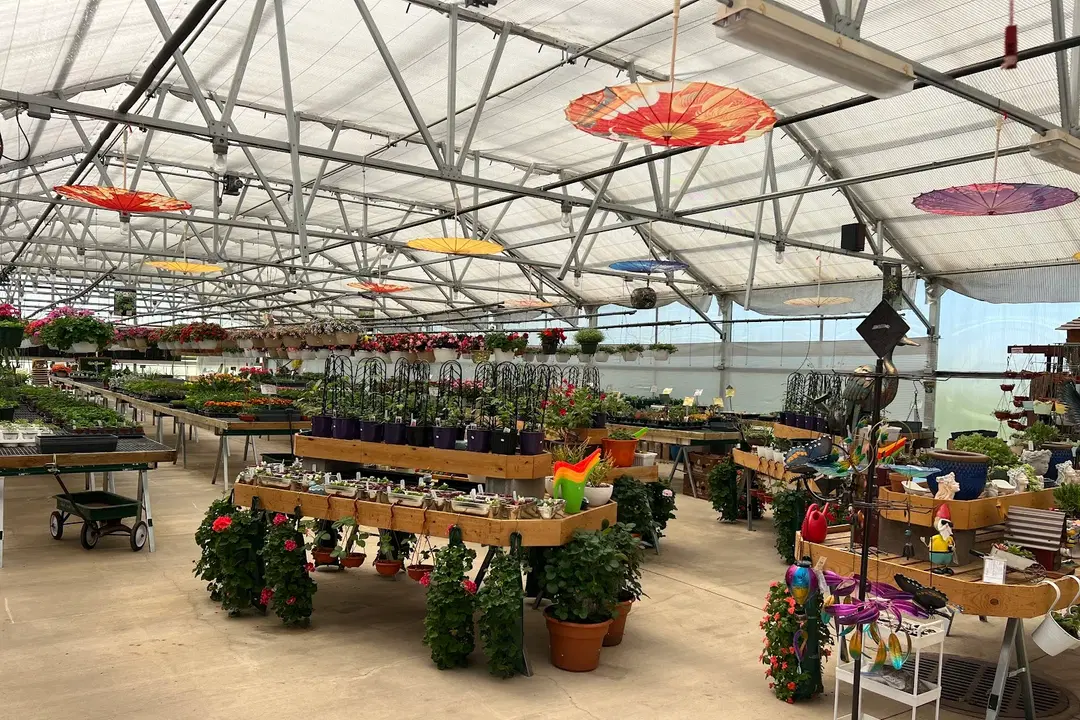
 On site
Wei Gardens
Black Creek, WI
1option
Listed as “Thymus Praecox 'Coccineus' (Crpg Red) (3.5")”
Variety not confirmedAsk about sizesCall for pricing
Catalog checked Nov 15, 2026. Confirm availability before visiting.
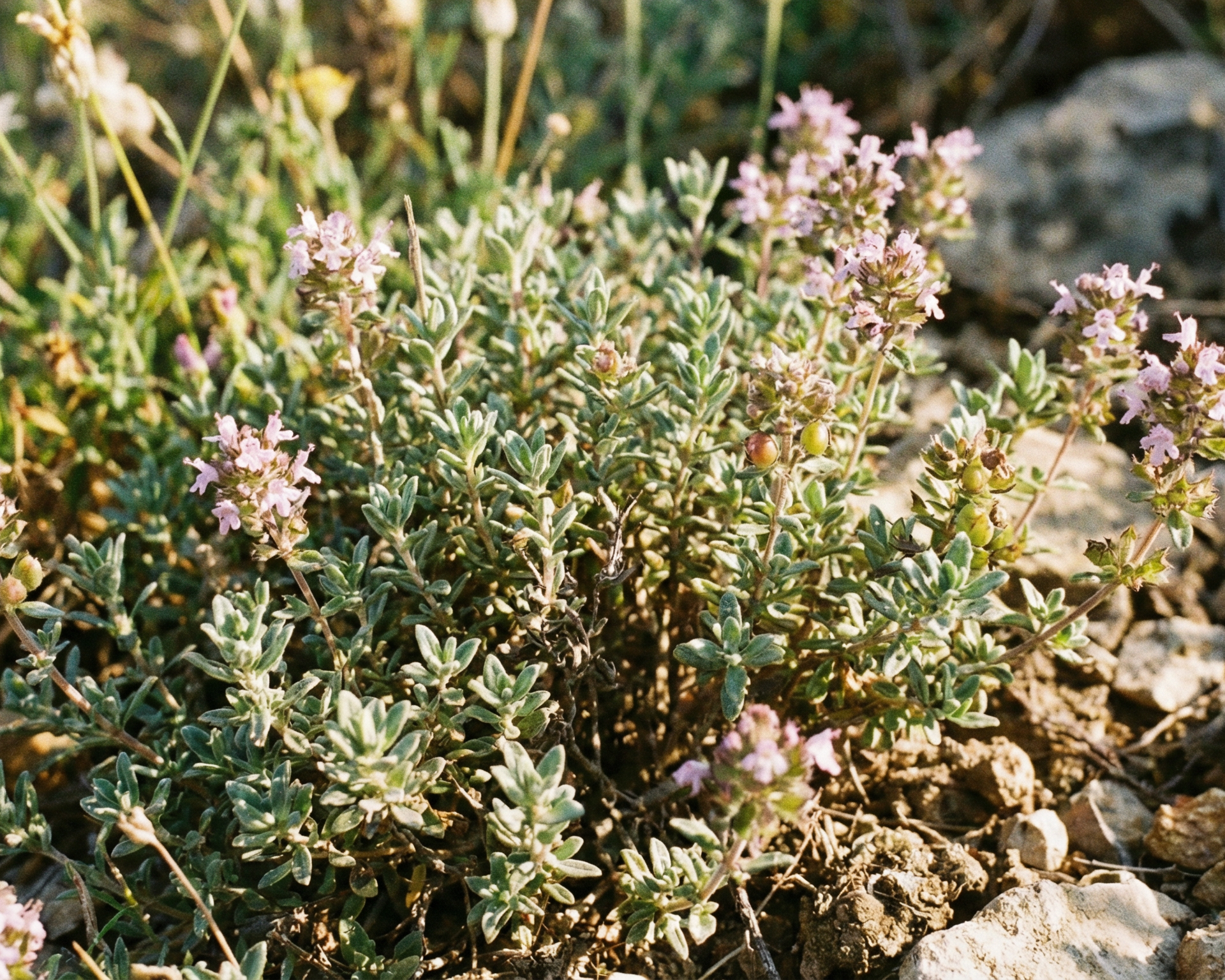
Thymus spp.
Thymus, commonly known as Thyme, is a genus of aromatic perennial herbaceous plants and subshrubs belonging to the mint family, Lamiaceae. Read more
26 nurseries · 49 matching options
On siteBlack Creek, WI
1option
Listed as “Thymus Praecox 'Coccineus' (Crpg Red) (3.5")”
Call for pricing
Catalog checked Nov 15, 2026. Confirm availability before visiting.
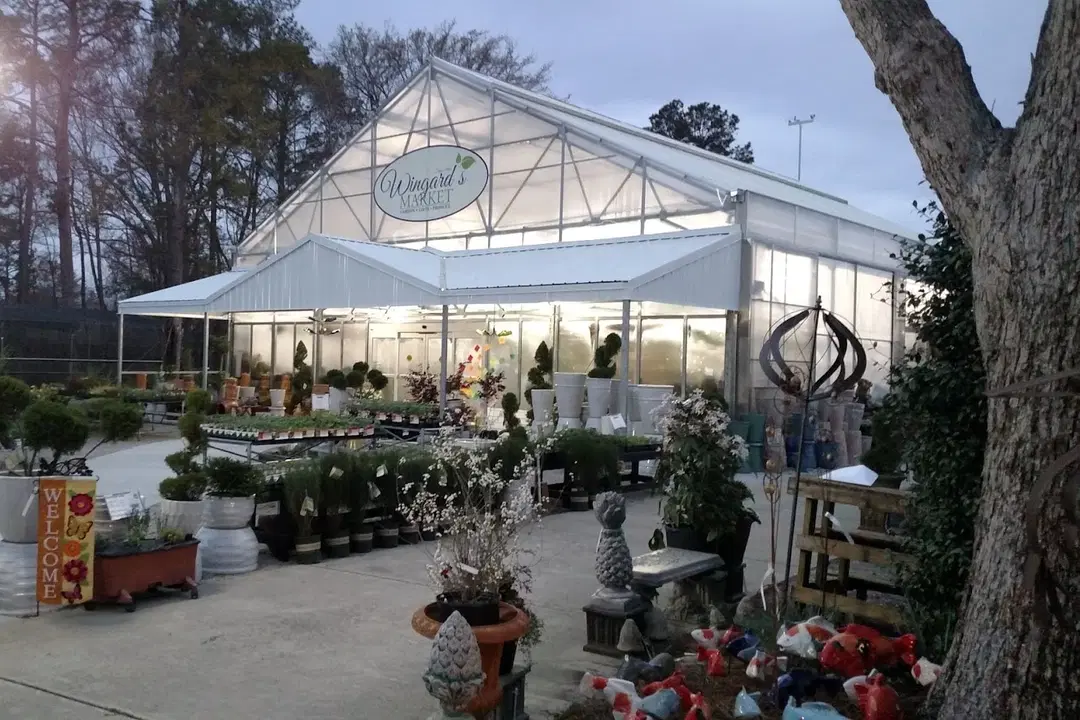 On site
Lexington, SC
1option
Listed as “Thyme, German”
Call for pricing
Catalog checked Nov 15, 2026. Confirm availability before visiting.
Showing 25 to 26 of 26 nurseries
Explore the complete plant collection, including varieties with no nursery listings yet.
Not yet listed: Caraway Thyme, Creeping Thyme, Doone Valley Thyme, Elfin Thyme, English, English Thyme, Foxley, French Thyme, German, German Winter, Lemon Thyme, Pink Chintz Thyme, Red Creeping Thyme, Silver Thyme, Varico 2, Varico 3, Woolly Thyme
0 nurseries listed
Thymus, commonly known as Thyme, is a genus of aromatic perennial herbaceous plants and subshrubs belonging to the mint family, Lamiaceae. Native to temperate regions across Europe, Asia, and North Africa, the genus comprises approximately 350 species, with a significant concentration found in the Mediterranean basin. These plants are celebrated for their strong, pleasant fragrance, which is released when the leaves are crushed or bruised.
Characteristically, Thyme plants are low-growing and often form dense mats or small mounds. Their leaves are typically small, elliptical to linear, and are evergreen in most species, providing year-round ground cover. In late spring and summer, Thyme produces an abundance of small, tubular flowers that range in color from white to pink, lavender, and purple. These blossoms are highly attractive to bees and other pollinators, making Thyme a valuable addition to any pollinator-friendly garden.
Thyme holds considerable significance in culinary, medicinal, and ornamental applications. In the kitchen, it is a foundational herb, particularly in Mediterranean, French, and Middle Eastern cuisines, prized for its ability to complement a wide array of dishes. Medicinally, the essential oil extracted from Thyme, primarily thymol, possesses powerful antiseptic and preservative properties. It has been used for centuries in traditional medicine and is a common ingredient in modern products like mouthwash and topical ointents. Ornamentally, its drought-tolerance and low-maintenance nature make it an excellent choice for rock gardens, borders, and as a fragrant groundcover.