- Sun
- Full Sun
- Water
- Regular
- USDA zones
- 5-11
Tobacco
Nicotiana spp.
Nicotiana is a diverse genus of plants belonging to the nightshade family, Solanaceae. The genus, which includes over 75 species of herbaceous plants and shrubs, is primarily native to the Americas, with some species found in Australia and southwestern Africa. Read more
Compare nurseries
1 nursery · 1 matching option
Choose a city or ZIP to find nearby growers. Showing nationwide listings until you choose an area.
1 location on the map. Select a marker or a nursery to compare.
Preparing the map…
Your location isn’t saved. Confirm availability and visiting hours with the nursery.
Variety guides
Explore the complete plant collection, including varieties with no nursery listings yet.
Not yet listed: Guarijio Makuchi, Havana 608, Isleta Pueblo, Jasmine Alata, Jubib, Nicotiana Lime Green, Papante, Puerto Rican Mountain, Punche Mexicano, Rarámuri El Cuervo, Sá, Santo Domingo Punche, Shirazi, Virginia Smoking
0 nurseries listed
About Tobacco
Nicotiana is a diverse genus of plants belonging to the nightshade family, Solanaceae. The genus, which includes over 75 species of herbaceous plants and shrubs, is primarily native to the Americas, with some species found in Australia and southwestern Africa. The most famous member of this genus is Nicotiana tabacum, the species cultivated worldwide for the production of tobacco. The genus was named after Jean Nicot, a French ambassador who introduced tobacco to the French court in the 16th century.
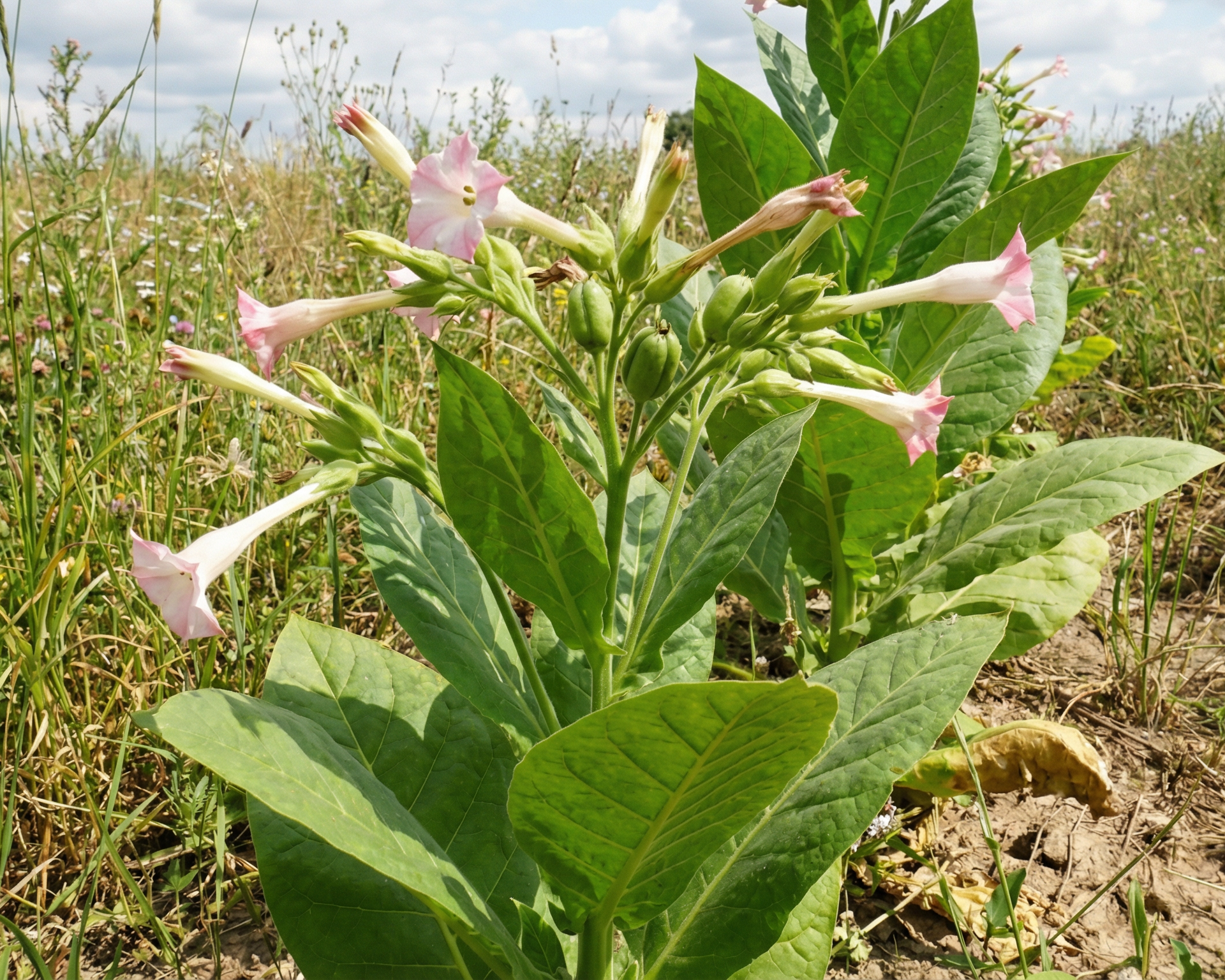
Members of the Nicotiana genus are characterized by their large, often sticky leaves and their tubular or trumpet-shaped flowers. These flowers are frequently fragrant, especially in the evening, to attract pollinators like moths. While some species are grown for their leaves, many others are cultivated as ornamental plants, commonly known as flowering tobacco. These ornamental varieties are prized for their beautiful and fragrant blooms, which come in a range of colors including white, pink, red, and lime green.
The significance of the Nicotiana genus is multifaceted. Economically, N. tabacum is a major cash crop in many parts of the world, with its leaves being processed into a wide array of products. In addition to its commercial importance, many Nicotiana species have a long history of use in traditional medicine by indigenous peoples of the Americas. The plants contain varying amounts of nicotine and other alkaloids, which have stimulant and, in high doses, toxic properties. These compounds also serve as a natural defense against herbivores. In horticulture, the ornamental species of Nicotiana are valued for their aesthetic appeal and their ability to attract pollinators to the garden.