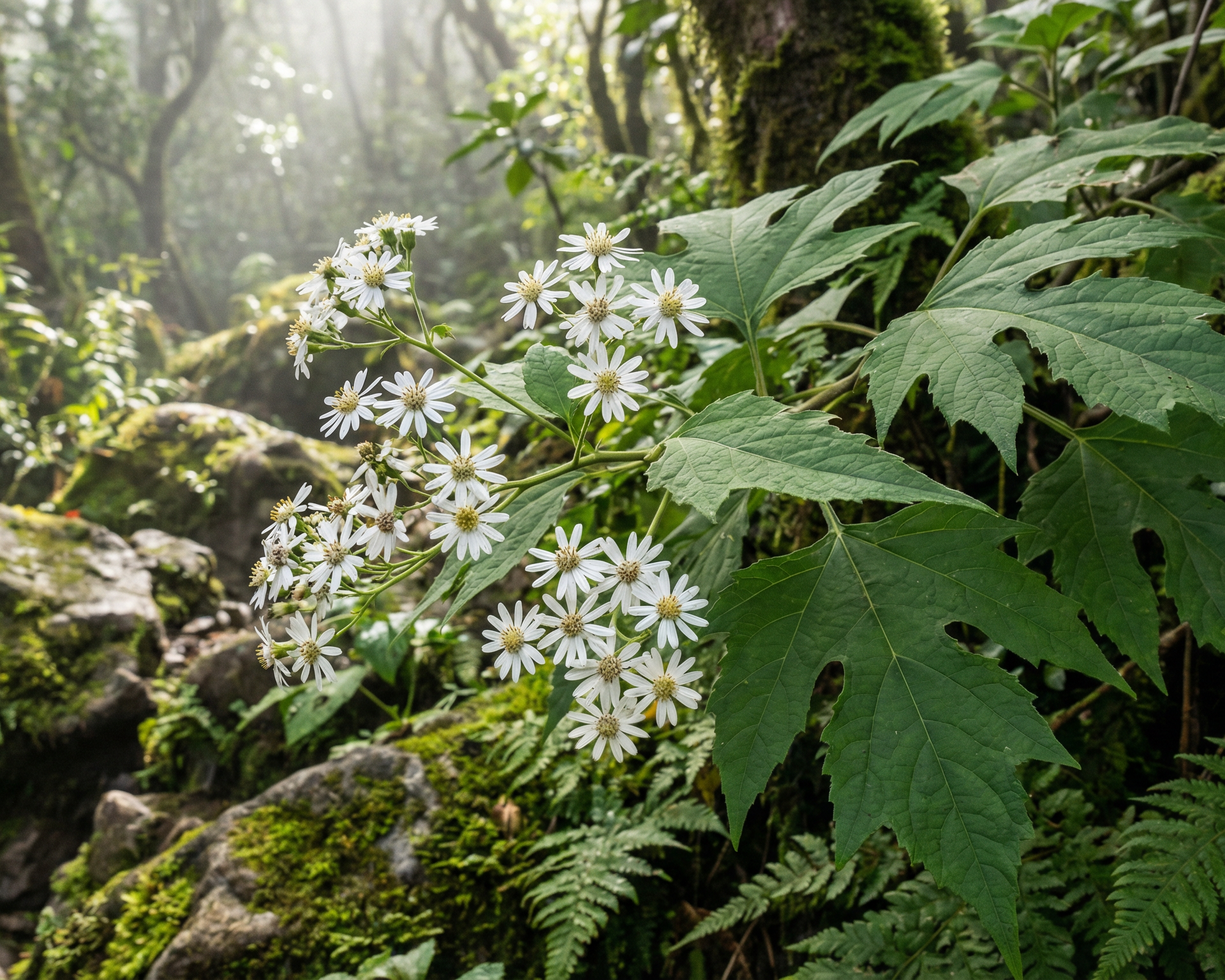
Tree Daisy
Montanoa spp.
1 nursery nationwide
Compare nurseries
1 nursery · 3 matching options
1 location on the map. Select a marker or a nursery to compare.
Preparing the map…
Your location isn’t saved. Confirm availability and visiting hours with the nursery.
About Tree Daisy
Montanoa is a genus of flowering plants in the daisy family, Asteraceae, commonly known as Tree Daisy. The genus comprises a diverse group of shrubs and small trees native to the mountainous regions of Mexico, Central, and South America. The name Montanoa honors Luis Josė Montaña, a prominent 18th-century Mexican physician and botanist. While some species within the genus are known by other common names such as "Anzac-flower" and "Tree Chrysanthemum," "Tree Daisy" is the most widely recognized and encompassing term for the group. Tree Daisies are characterized by their fast-growing, somewhat brittle, woody stems and large, often deeply lobed, leaves. They are particularly noted for their profuse and showy floral displays, which typically occur in late autumn and winter. The flowers, which are reminiscent of daisies or chrysanthemums, are usually white with a yellow central disc and are often fragrant, with scents described as similar to chocolate or vanilla. The flower heads are followed by small, dry, seed-like fruits called achenes. Several species of Montanoa are cultivated as ornamental plants in subtropical and warm-temperate climates for their attractive foliage and spectacular floral displays. Their rapid growth makes them suitable for quickly establishing a screen or background planting. In their native regions, some species have traditional uses. For example, the leaves of Montanoa tomentosa have been used in Mexican traditional medicine for purposes such as inducing labor. The plants are also valued in permaculture and ecological restoration for their ability to quickly colonize disturbed areas and provide nectar for pollinators.
Plant facts
- Sun
- Full Sun, Partial Sun
- Water
- Regular, Drought Tolerant
- USDA zones
- 8-11
- Lifecycle
- Perennial