Planting Justice
Oakland, CA
6 options
Call for pricing
Catalog checked Oct 1, 2026. Confirm availability before visiting.
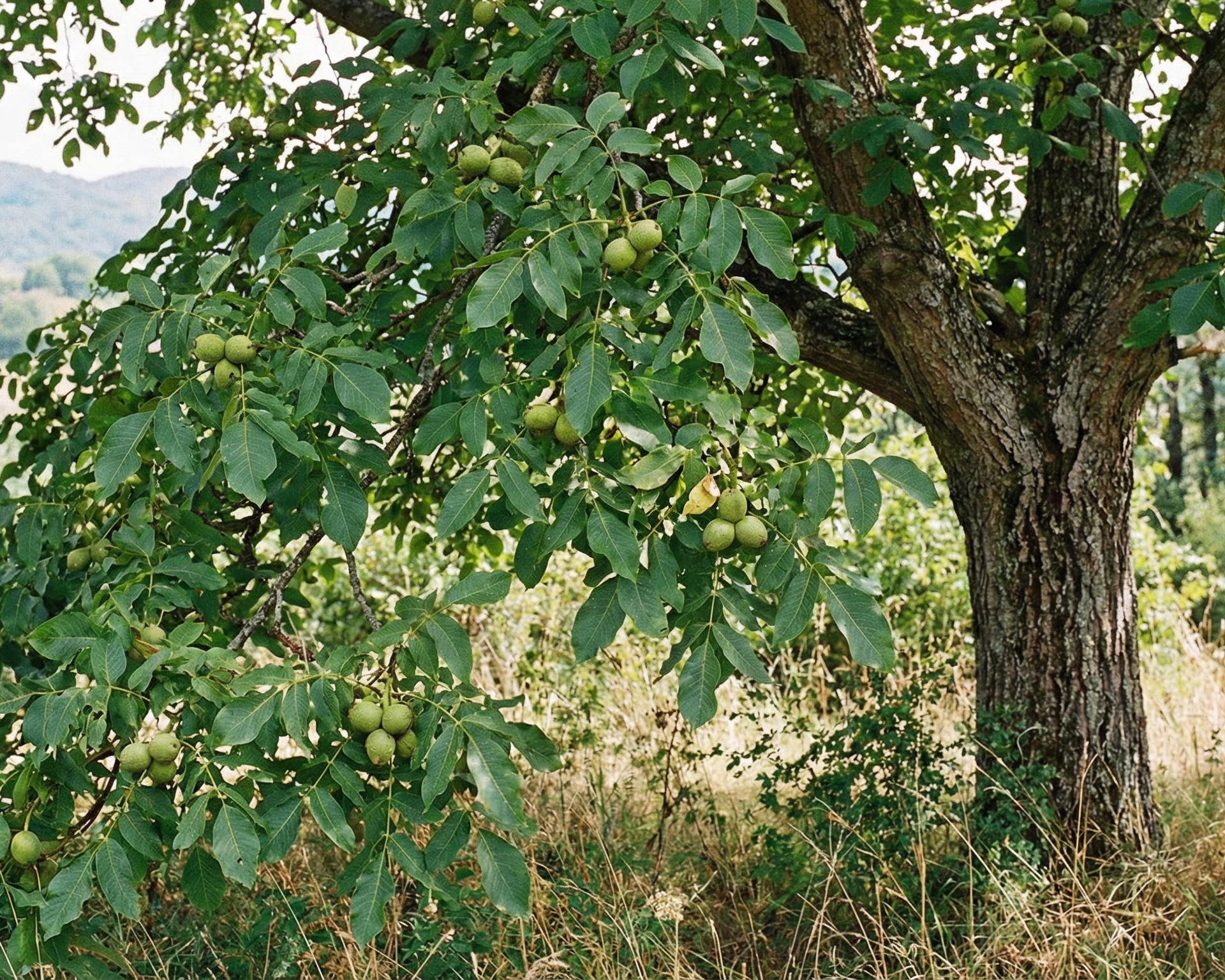
Juglans spp.
34 nurseries nationwide
Choose a city or ZIP to find nearby growers. Showing nationwide listings until you choose an area.
34 nurseries · 88 matching options
Oakland, CA
6 options
Call for pricing
Catalog checked Oct 1, 2026. Confirm availability before visiting.
Central Lake, MI
7 options
From $3.30
Catalog checked Oct 1, 2026. Confirm availability before visiting.
Morton, WA
1 option
Catalog checked Oct 1, 2026. Confirm availability before visiting.
Black Walnut Seedling
Variety not confirmed
Call for pricing
Fountain, FL
1 option
Catalog checked Oct 1, 2026. Confirm availability before visiting.
Black Walnut
Variety not confirmed
$30.00
McKinleyville, CA
1 option
Catalog checked Oct 4, 2026. Confirm availability before visiting.
Eastern Black Walnut | Medium Tree Seedling
Variety not confirmed
Call for pricing
Earlham, IA
1 option
Catalog checked Oct 4, 2026. Confirm availability before visiting.
Walnut, Black
Variety not confirmed
Call for pricing
Stanton, KY
1 option
Catalog checked Oct 4, 2026. Confirm availability before visiting.
Black Walnut
Variety not confirmed
Call for pricing
Great Barrington, MA
1 option
Catalog checked Oct 1, 2026. Confirm availability before visiting.
Juglans Nigra (Walnut)
Variety not confirmed
$94.99
Showing 25–32 of 34 nurseries
Load more nurseriesWalnut trees belong to the genus Juglans, which is part of the family Juglandaceae. This genus comprises about 20 species of deciduous trees found in North and South America, southern Europe, Asia, and the West Indies. The most well-known and commercially important species is the English or Persian walnut (Juglans regia), which is cultivated for its large, thin-shelled nuts. The black walnut (Juglans nigra), native to eastern North America, is also highly valued for its timber and edible nuts. Walnut trees are characterized by their long, pinnately compound leaves, which have 5 to 25 leaflets. The trees produce male and female flowers in separate catkins on the same tree. A distinctive feature of walnut twigs is their chambered pith. The fruit is a drupe, with the edible seed, commonly called a nut, enclosed in a hard shell within a thick husk. Walnut trees have a rich history of human use. The nuts are a popular food source, consumed fresh, roasted, or as an ingredient in a variety of dishes, including baked goods and confections. Walnut oil, extracted from the nuts, is used in cooking and as a salad dressing. The wood of walnut trees, particularly black walnut, is prized for its dark color, fine grain, and durability, making it a popular choice for furniture, cabinetry, and gunstocks. Beyond their economic importance, walnuts have cultural and medicinal significance. The nuts have been a food source for millennia and are featured in the cuisines of many cultures. Various parts of the walnut tree have been used in traditional medicine. For example, the bark of the black walnut was used by Native American groups as a laxative and for treating toothaches. The husks of the fruit have been used to make dyes. The leaves are also used for sunburns, itching and to treat scalp dandruff.
Explore the complete plant collection, including varieties with no nursery listings yet.