Willow
8 nurseries nationwide
Compare nurseries
Choose a city or ZIP to find nearby growers. Showing nationwide listings until you choose an area.
8 nurseries · 38 matching options
8 locations on the map. Select a marker or a nursery to compare.
Preparing the map…
Your location isn’t saved. Confirm availability and visiting hours with the nursery.
About Willow
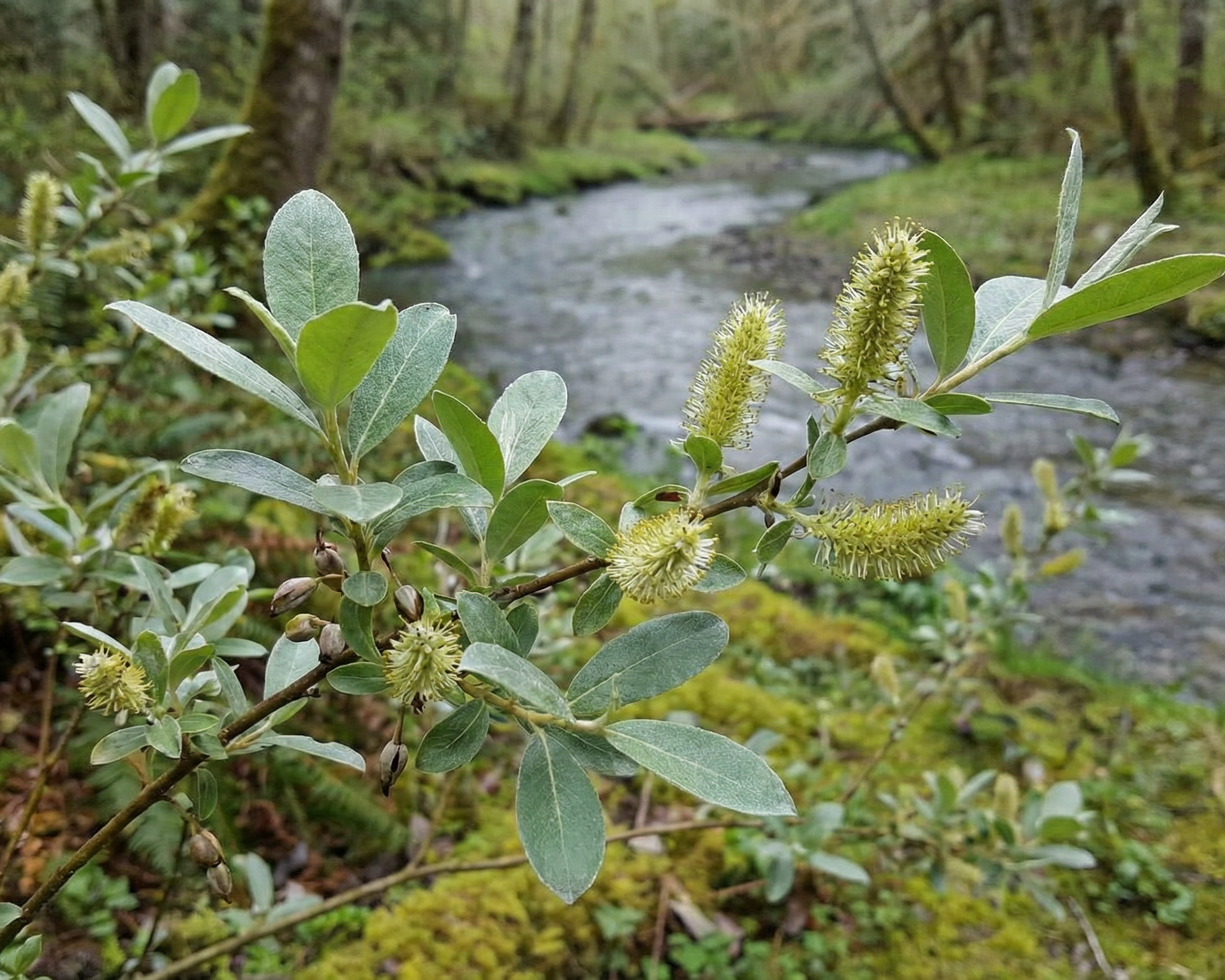
The genus Salix, commonly known as willow, encompasses a diverse group of around 400 species of deciduous trees and shrubs. These plants are most often found in moist soils within the cold and temperate regions of the Northern Hemisphere. While most are called willows, some narrow-leaved shrub species are referred to as osiers, and those with broader leaves are known as sallows. Willows are among the earliest woody plants to show signs of life in the spring, with their distinctive catkins often appearing before the leaves unfurl. Willows are characterized by their watery bark sap, which is rich in salicin, a compound with historical medicinal significance. They possess slender, flexible branches and extensive, fibrous root systems that are tough and tenacious, often sprouting readily from aerial parts of the plant. The leaves are typically elongated and lance-shaped, though they can also be round or oval, and usually feature serrated edges. As dioecious plants, willows have separate male and female individuals, both of which produce flowers in the form of catkins. These catkins emerge early in the spring, providing an important early source of pollen and nectar for bees and other pollinators. The uses of willow are numerous and varied. Historically, the pliable young shoots, known as withies or osiers, have been used for weaving baskets, creating fences, and in the construction of wattle and daub structures. The wood, though soft, is used in the manufacturing of a range of items including boxes, brooms, and famously, cricket bats. The bark has a long history in folk medicine across many cultures, valued for its salicin content, which was a precursor to the development of modern aspirin. Willows also hold significant cultural importance, appearing in folklore and literature, and are widely used in horticulture for landscaping and creating living willow structures. Willows are generally fast-growing and adaptable, thriving in conditions ranging from full sun to partial shade. They prefer average to moist, well-drained soils and are commonly found along stream banks and in wetlands, where their dense root systems help to stabilize the soil and prevent erosion. Propagation is remarkably easy, as most willow species will readily root from cuttings placed in the ground. However, their aggressive, water-seeking roots can pose a problem in residential areas, with the potential to invade and clog drainage pipes and septic systems.