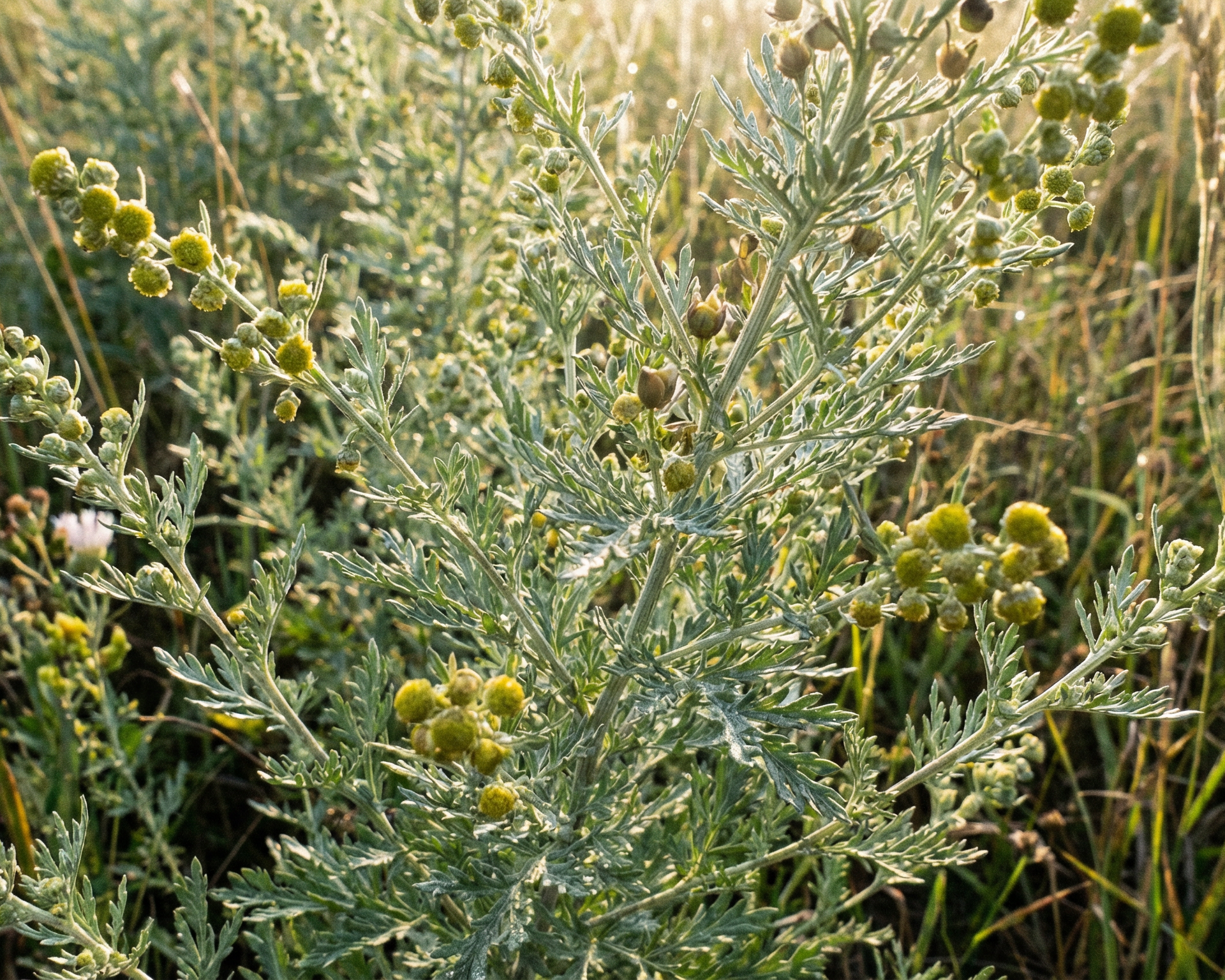
Wormwood (absinthe wormwood)
Artemisia absinthium
2 nurseries nationwide
Compare nurseries
Nurseries with recorded shipping, across all locations. Confirm delivery to your address and availability on the nursery website.
No nursery options match these filters
Try another size or variety, or broaden your location. Options with unconfirmed variety names are included when All varieties is selected.
About Wormwood (absinthe wormwood)
Artemisia, a large and diverse genus belonging to the Asteraceae family, encompasses nearly 500 species of aromatic herbs and shrubs. Commonly known as wormwoods, mugworts, and sagebrushes, these plants are distributed across temperate regions of both the Northern and Southern Hemispheres, thriving particularly in dry or semi-arid environments. The genus is named after the Greek goddess Artemis and is renowned for its potent essential oils and powerful chemical constituents, which have led to its use in various applications for centuries. Notable species include common wormwood (Artemisia absinthium), tarragon (Artemisia dracunculus), and sweet wormwood (Artemisia annua). The plants within the Artemisia genus are typically hardy perennials or shrubs, characterized by their distinctive foliage and aromatic presence. The leaves are generally alternate and pinnately lobed or divided, often covered with fine white hairs that give them a silvery-gray or white appearance. This silvery foliage makes many species popular as ornamental plants in gardens, where they provide a striking contrast to other greenery. The flowers of Artemisia species are typically small, inconspicuous, and borne in panicles. They are usually yellow or greenish and are wind-pollinated. The strong, often bitter, aroma of these plants is due to the presence of terpenoids and sesquiterpene lactones, which serve as a natural defense against herbivores. The significance of the Artemisia genus spans culinary, medicinal, and ecological domains. In the culinary world, tarragon (A. dracunculus) is a prized herb used to flavor a variety of dishes. Medicinally, the genus has made profound contributions; sweet wormwood (A. annua) is the natural source of artemisinin, a compound that forms the backbone of modern anti-malarial treatments. Common wormwood (A. absinthium) is historically famous for its use in the spirit absinthe and has also been used in traditional herbal medicine. Ecologically, species like sagebrush (A. tridentata) are dominant plants in large areas of western North America, providing critical habitat and food for wildlife. Most Artemisia species are valued for their resilience and low-maintenance requirements in cultivation. They generally prefer full sun and well-drained, poor to average soil, being highly intolerant of wet, humid conditions which can lead to root rot. Their drought tolerance makes them excellent candidates for xeriscaping and rock gardens. Propagation is typically achieved through seeds, cuttings, or division of established clumps. While generally hardy, they can be susceptible to pests such as aphids and spider mites, and diseases like rust and powdery mildew if air circulation is poor.
Plant facts
- Sun
- Full Sun, Partial Sun
- Water
- Drought Tolerant, Low
- USDA zones
- 4-9
- Lifecycle
- Perennial