5 options
From $6.95
Catalog checked Oct 1, 2026. Confirm availability before visiting.
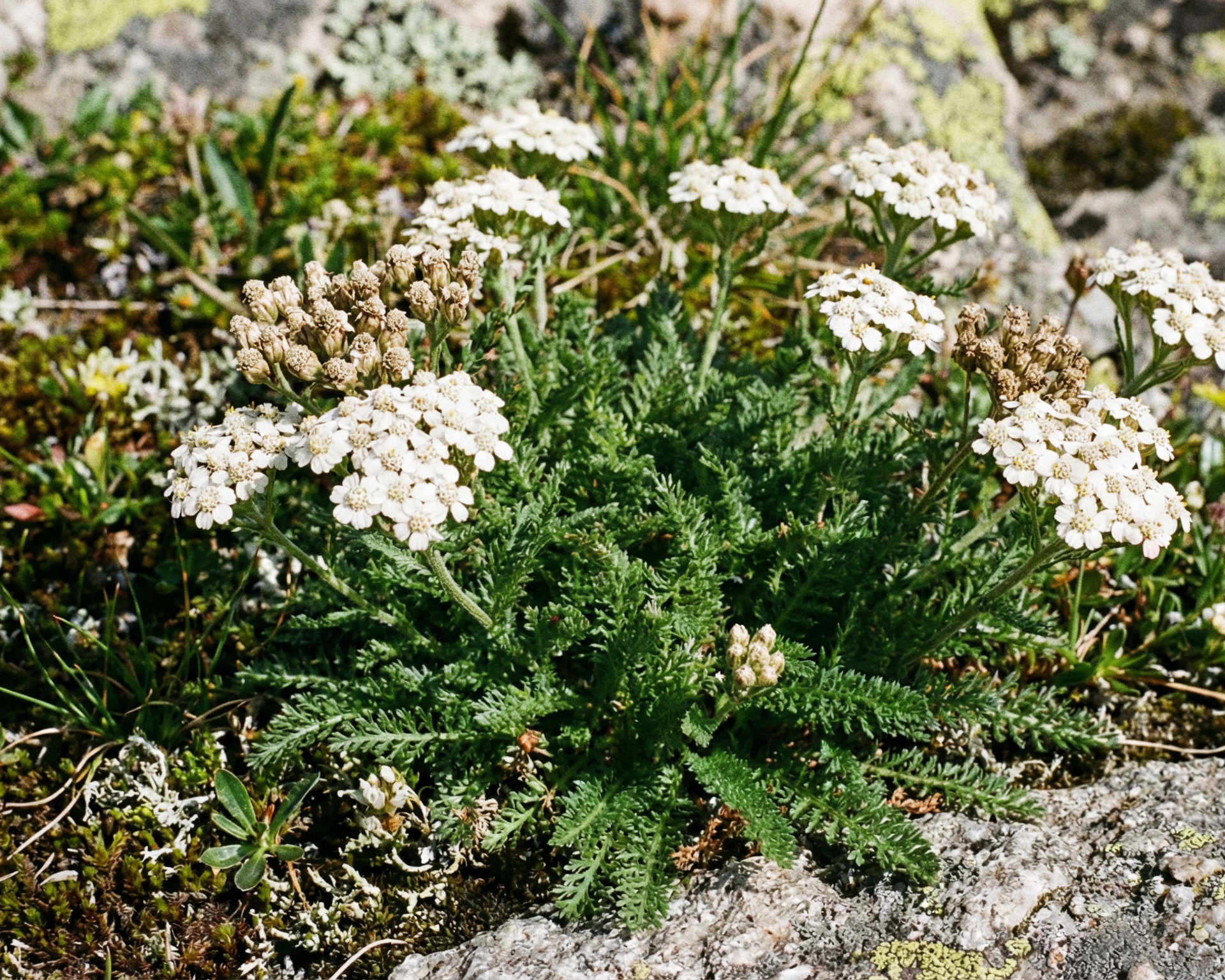
Achillea millefolium
29 nurseries listed
29 nurseries · 121 matching options
5 options
From $6.95
Catalog checked Oct 1, 2026. Confirm availability before visiting.
Rhinebeck, NY
1 option
Call for pricing
Catalog checked Oct 4, 2026. Confirm availability before visiting.
Church Hill, MD
6 options
Call for pricing
Catalog checked Oct 4, 2026. Confirm availability before visiting.
Montclair, CA
2 options
Call for pricing
Catalog checked Oct 4, 2026. Confirm availability before visiting.
Largo, FL
2 options
From $3.99
Catalog checked Oct 1, 2026. Confirm availability before visiting.
Showing 25–29 of 29 nurseries
Achillea, commonly known as yarrow, is a genus of flowering plants in the Asteraceae family, named after the Greek mythological figure Achilles, who was said to have used it to treat his soldiers' wounds. The most well-known species is Achillea millefolium, or common yarrow, but the name is often applied to the entire genus. These plants are native to temperate regions of the Northern Hemisphere in Asia, Europe, and North America and are characterized by their feathery, aromatic leaves and flat-topped clusters of small flowers. The physical characteristics of yarrow plants include rhizomatous growth habits, allowing them to spread easily and form dense mats. The leaves are typically pinnately dissected, giving them a fern-like appearance. Flowers, which bloom from late spring to fall, are arranged in corymbs and come in a variety of colors, including white, yellow, pink, and red. Yarrows are generally hardy and drought-tolerant, preferring full sun and well-drained soil. Yarrow has a long history of use in traditional medicine and permaculture. It has been used for its anti-inflammatory, antiseptic, and astringent properties, often in the form of teas or poultices to treat wounds, reduce fever, and aid digestion. In permaculture, yarrow is valued as a dynamic accumulator, drawing nutrients from deep in the soil and making them available to other plants. Its flowers also attract beneficial insects, making it a valuable companion plant in gardens and food forests.
Explore the complete plant collection, including varieties with no nursery listings yet.