- Sun
- Full Sun, Partial Sun, Partial Shade
- Water
- Drought Tolerant, Regular
- USDA zones
- 3-9
Yarrow
Achillea millefolium
Achillea, commonly known as yarrow, is a genus of flowering plants in the Asteraceae family, named after the Greek mythological figure Achilles, who was said to have used it to treat his soldiers' wounds. Read more
Compare nurseries
Nurseries with recorded shipping, across all locations. Confirm delivery to your address and availability on the nursery website.
No nursery options match these filters
Try another size or variety, or broaden your location. Options with unconfirmed variety names are included when All varieties is selected.
Variety guides
Explore the complete plant collection, including varieties with no nursery listings yet. Counts reflect your location and shopping filters.
Not yet listed: A. argentea, A. filipendulina, Cerise Queen, Colorado, Double Diamond, Favorite Berries, Golden Yarrow, Lilac Beauty, Love Parade, Oertel's Rose, Paprika, Pomegranate, Red Velvet, Summer Pastels, White Yarrow, Yarrow White
0 nurseries listed
About Yarrow
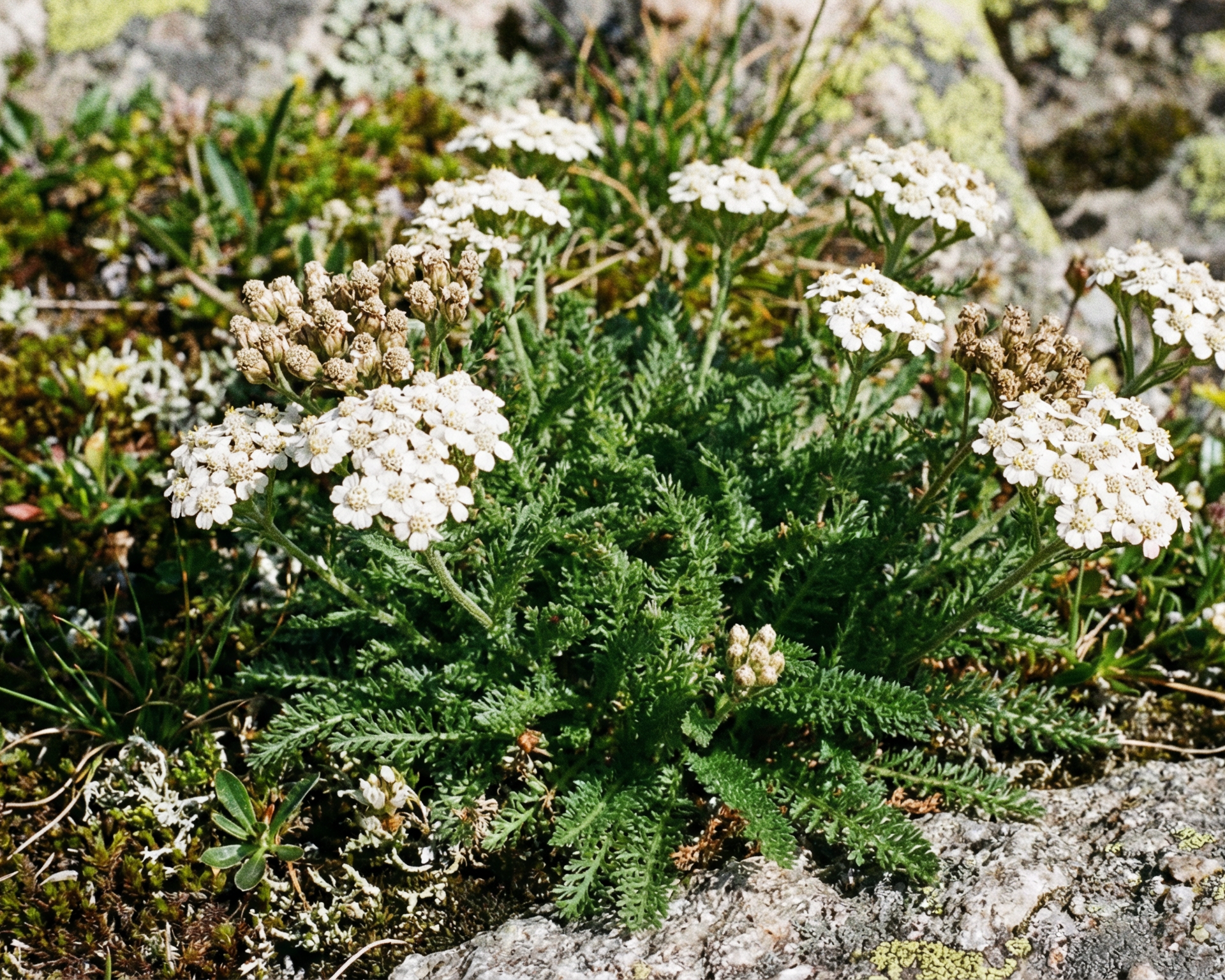
Achillea, commonly known as yarrow, is a genus of flowering plants in the Asteraceae family, named after the Greek mythological figure Achilles, who was said to have used it to treat his soldiers' wounds. The most well-known species is Achillea millefolium, or common yarrow, but the name is often applied to the entire genus. These plants are native to temperate regions of the Northern Hemisphere in Asia, Europe, and North America and are characterized by their feathery, aromatic leaves and flat-topped clusters of small flowers.
The physical characteristics of yarrow plants include rhizomatous growth habits, allowing them to spread easily and form dense mats. The leaves are typically pinnately dissected, giving them a fern-like appearance. Flowers, which bloom from late spring to fall, are arranged in corymbs and come in a variety of colors, including white, yellow, pink, and red. Yarrows are generally hardy and drought-tolerant, preferring full sun and well-drained soil.
Yarrow has a long history of use in traditional medicine and permaculture. It has been used for its anti-inflammatory, antiseptic, and astringent properties, often in the form of teas or poultices to treat wounds, reduce fever, and aid digestion. In permaculture, yarrow is valued as a dynamic accumulator, drawing nutrients from deep in the soil and making them available to other plants. Its flowers also attract beneficial insects, making it a valuable companion plant in gardens and food forests.