Fieldstone Gardens
Vassalboro, ME
4 options
Call for pricing
Catalog checked Oct 4, 2026. Confirm availability before visiting.
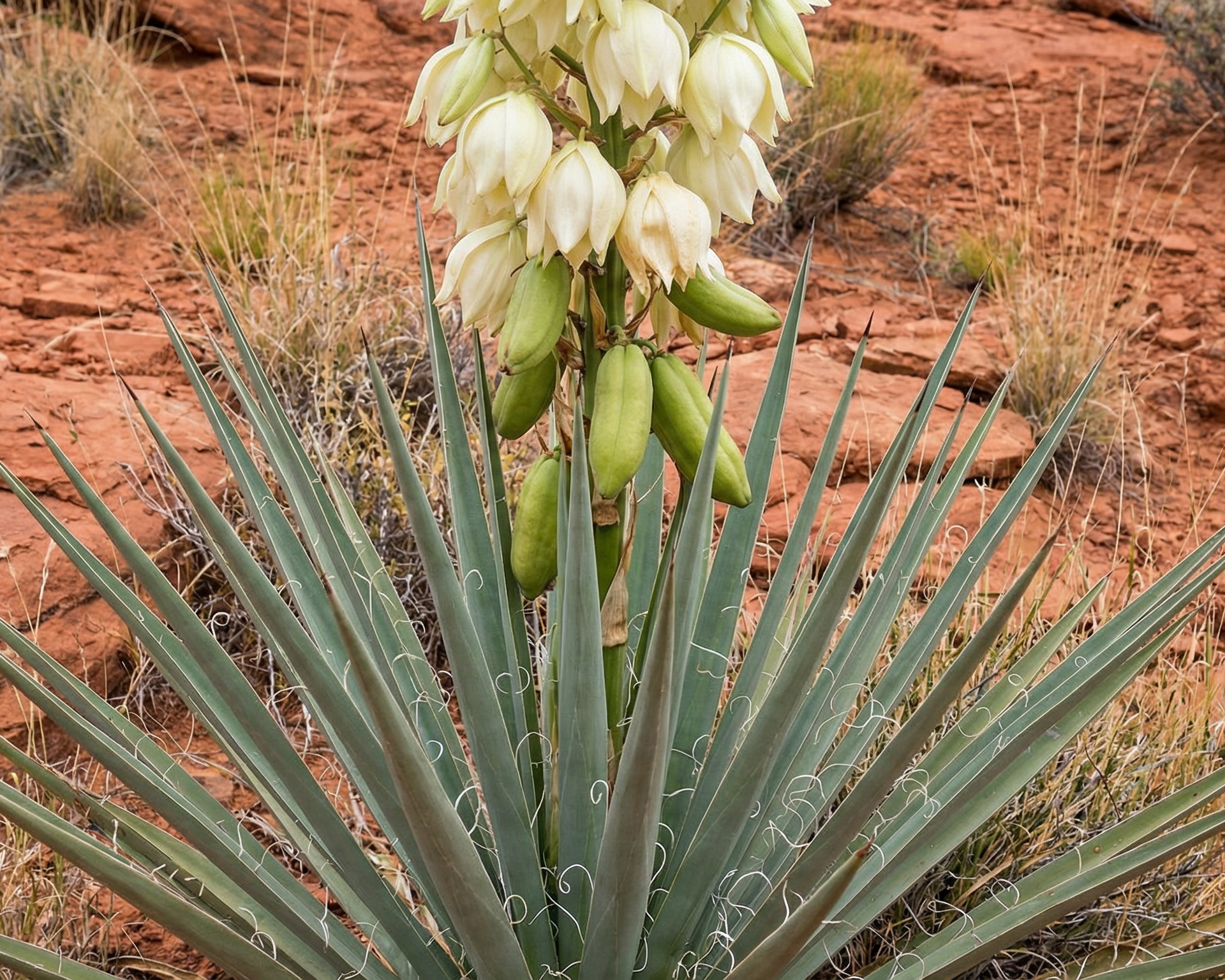
Yucca spp.
31 nurseries nationwide
Choose a city or ZIP to find nearby growers. Showing nationwide listings until you choose an area.
31 nurseries · 104 matching options
Vassalboro, ME
4 options
Call for pricing
Catalog checked Oct 4, 2026. Confirm availability before visiting.
Groveland, FL
2 options
Call for pricing
Catalog checked Oct 2, 2026. Confirm availability before visiting.
Mukwonago, WI
1 option
From $13.95
Catalog checked Oct 1, 2026. Confirm availability before visiting.
Cedarburg, WI
1 option
From $72.99
Catalog checked Sep 29, 2026. Confirm availability before visiting.
San Francisco, CA
1 option
Call for pricing
Catalog checked Oct 4, 2026. Confirm availability before visiting.
Tampa, FL
5 options
From $9.00
Catalog checked Oct 1, 2026. Confirm availability before visiting.
Dade City, FL
2 options
Call for pricing
Catalog checked Oct 2, 2026. Confirm availability before visiting.
Jones, OK
2 options
From $34.99
Catalog checked Oct 1, 2026. Confirm availability before visiting.
Showing 9–16 of 31 nurseries
Load more nurseriesYucca is a genus of perennial shrubs and trees in the family Asparagaceae, subfamily Agavoideae. Native to the hot and arid regions of the Americas and the Caribbean, the 40-50 species of Yucca are notable for their rosettes of evergreen, tough, sword-shaped leaves and large terminal panicles of white or whitish flowers. The plant's dramatic, architectural form has made it a popular ornamental choice in gardens worldwide, where it can serve as a focal point and add a touch of desert beauty to the landscape. The key characteristics of Yucca plants include their unique leaf structure and impressive floral displays. The leaves are typically long, narrow, and pointed, forming a dense rosette at the base of the plant or at the end of a trunk. These leaves are often tipped with a sharp spine. The flowers are bell-shaped and borne on a tall stalk that emerges from the center of the plant. Most yuccas have a specialized, mutualistic pollination system, being pollinated by yucca moths; the moth and the plant are dependent on each other for survival. Historically and culturally, Yucca has been a significant plant for Native American tribes. The fibers from the leaves were used to make a variety of goods, including rope, sandals, baskets, and cloth. The roots of some species, such as Yucca elata (soaptree yucca), are rich in saponins and were used as a natural soap and shampoo. Additionally, parts of some Yucca species are edible, including the flowers, fruits, and emerging flower stalks, which can be roasted or baked. In modern cultivation, Yuccas are valued for their low maintenance and drought tolerance, making them an excellent choice for xeriscaping and water-wise gardens. They thrive in full sun and well-drained soil, requiring minimal watering once established. While generally hardy, they can be susceptible to pests such as the yucca plant bug or agave snout weevil. Their striking appearance and resilience make them a versatile and enduring presence in both natural and cultivated landscapes.
Explore the complete plant collection, including varieties with no nursery listings yet.