Acacia (wattle)
Acacia spp.
4 nurseries listed
Compare nurseries
Nurseries with recorded shipping, across all locations. Confirm delivery to your address and availability on the nursery website.
No nursery options match these filters
Try another size or variety, or broaden your location. Options with unconfirmed variety names are included when All varieties is selected.
About Acacia (wattle)
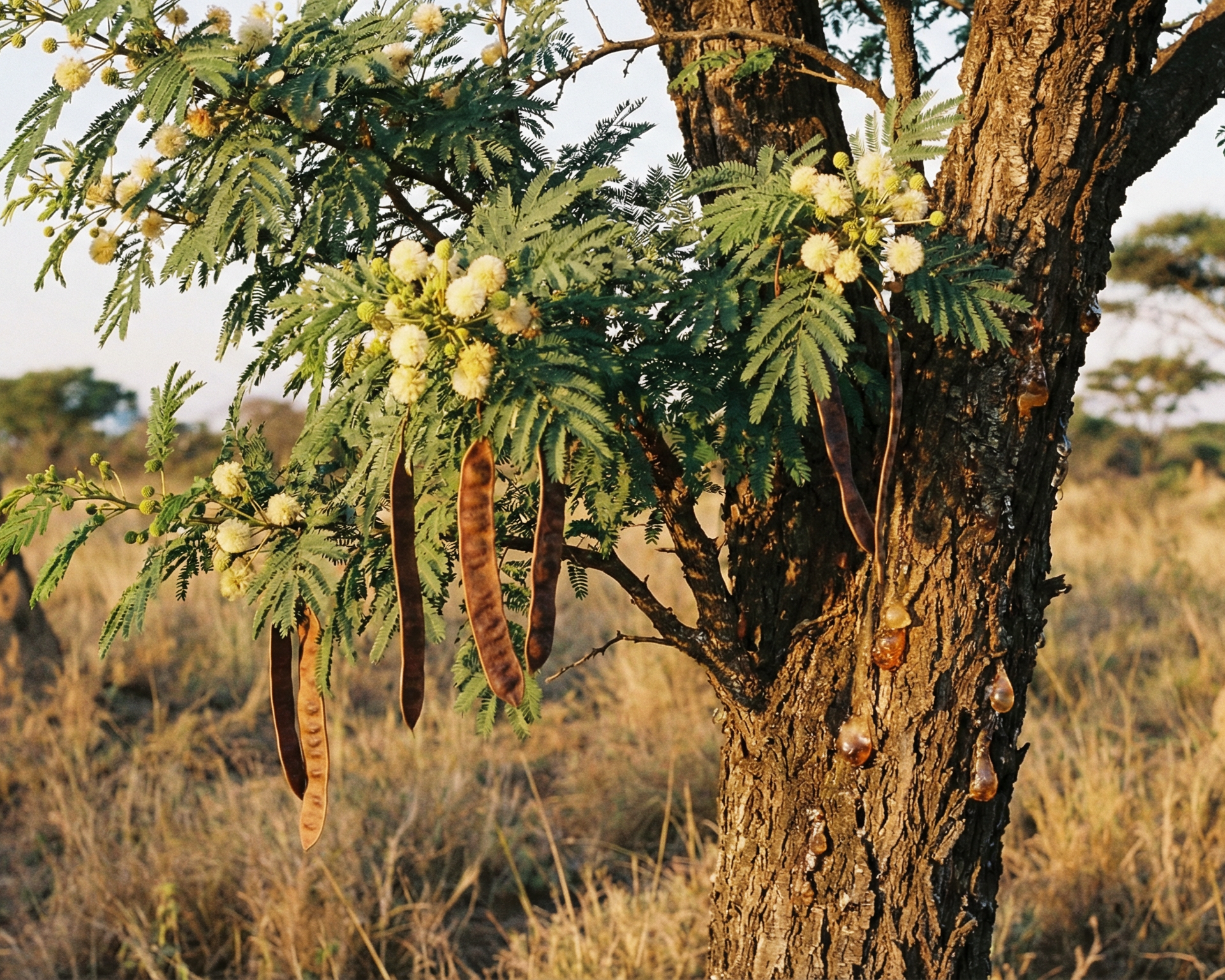
Acacia, commonly known as wattle, is a large and diverse genus of shrubs and trees belonging to the pea family (Fabaceae). With over 1,000 species, the majority are native to Australia, where they are a dominant feature of the landscape and hold cultural significance as the national floral emblem. Acacias are also found throughout the tropical and subtropical regions of the world, from the savannas of Africa to the Americas and Asia, where they are recognized as iconic and ecologically important plants. The physical characteristics of Acacia species are varied, but they share some distinguishing features. Many acacias have distinctive feathery leaves that are bipinnately compound, creating a delicate, fern-like appearance. However, in many Australian species, the true leaves are absent in mature plants and are replaced by flattened leafstalks called phyllodes. These phyllodes are adapted to arid environments and are a key feature for identifying many Australian wattles. The flowers are typically small, fragrant, and arranged in dense globular or cylindrical clusters, creating a fuzzy-looking bloom that is usually yellow but can also be white or cream-colored. The fruit is a legume, or pod, which can vary greatly in size and shape depending on the species. The genus Acacia holds considerable economic and cultural importance. Several species are commercially cultivated for their high-quality timber, which is used in furniture and construction. The bark of many acacias is rich in tannins, making it a valuable resource for the leather tanning industry, as well as for the production of dyes and inks. One of the most well-known products derived from this genus is gum arabic, a natural gum harvested from Acacia senegal that is widely used as a stabilizer and emulsifier in the food industry, and also has applications in pharmaceuticals and cosmetics. Additionally, the seeds of some Australian species are edible and have a long history of use as a food source by Aboriginal Australians, who would grind them into flour. Many species are also popular ornamental plants, valued for their attractive foliage and profuse, fragrant flowers.
Plant facts
- Sun
- Full Sun, Partial Sun
- Water
- Low, Drought Tolerant
- USDA zones
- 8-12
- Lifecycle
- Perennial