Eureka Farms Nursery
Miami, FL
5 options
From $99.00
Catalog checked Oct 1, 2026. Confirm availability before visiting.
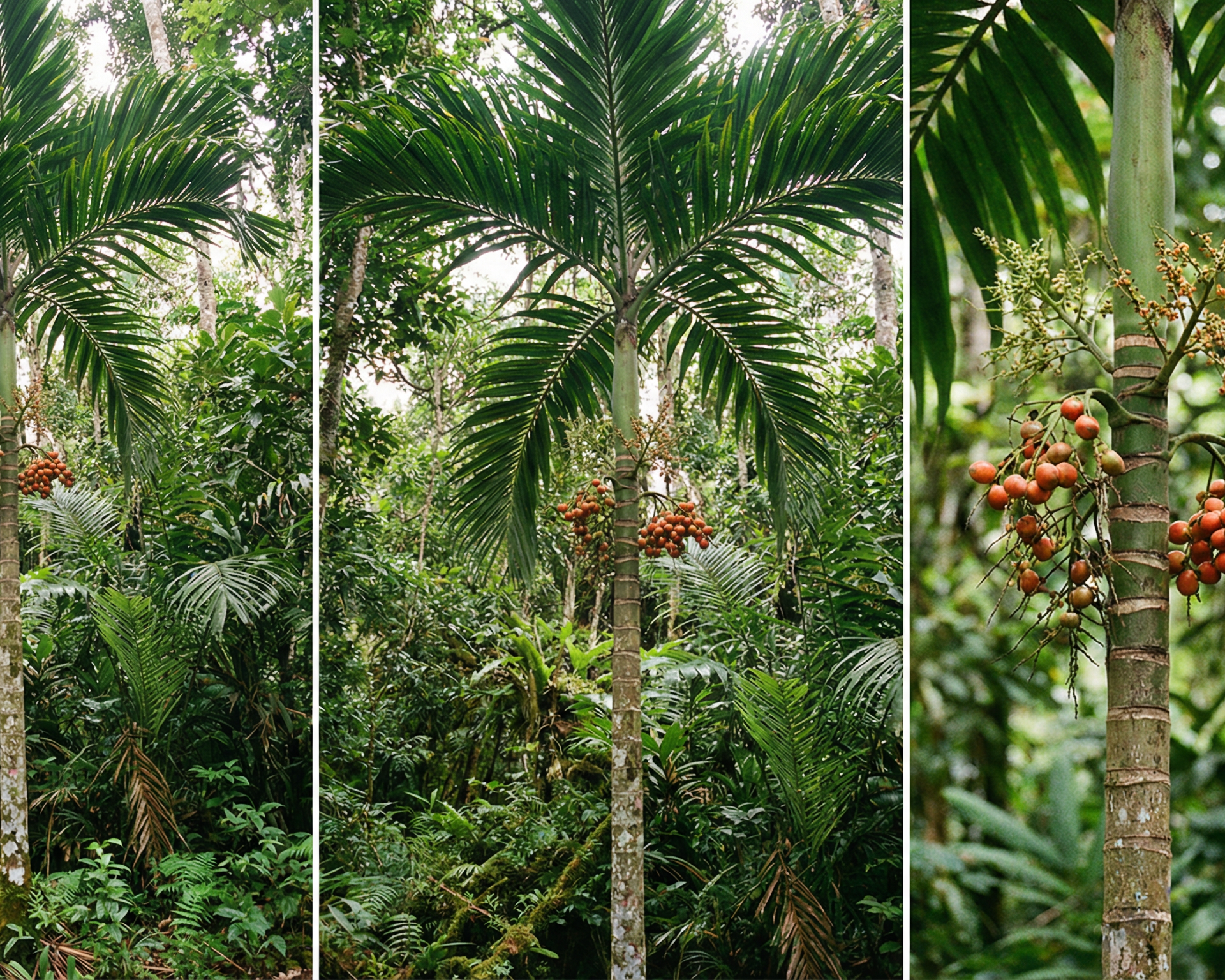
Areca spp.
1 nursery listed
1 nursery · 5 matching options
Miami, FL
5 options
From $99.00
Catalog checked Oct 1, 2026. Confirm availability before visiting.
Showing 1–1 of 1 nurseries
The Areca palm is a genus of about 50 species of palms native to humid tropical forests in Southeast Asia, from the Philippines and Malaysia to India and Melanesia. The name "Areca" is derived from a local name used on the Malabar Coast of India. While the most famous member of this genus is Areca catechu, the source of the betel nut, the term "Areca Palm" is also a common name for Dypsis lutescens, a popular houseplant that was formerly classified in the Areca genus. These palms are known for their graceful, feathery fronds and are a common sight in both indoor and outdoor settings in warm climates. Areca palms are characterized by their slender, erect trunks, which are often clustered together, resembling bamboo. The fronds are pinnate, meaning they are composed of leaflets arranged on either side of a central stem, and can reach several feet in length. The plants are monoecious, bearing both male and female flowers on the same individual. The flowers are typically small and yellow, and they grow in clusters below the fronds. The fruit is a drupe, and in the case of Areca catechu, it contains the areca nut. Areca palms have a wide range of uses and cultural significance. The areca nut from Areca catechu is famously chewed with betel leaf and lime as a mild stimulant in many parts of Asia. This practice has deep cultural roots and is often part of social and religious ceremonies. Beyond the betel nut, other species of Areca are cultivated as ornamental plants. The popular Areca palm houseplant (Dypsis lutescens) is prized for its air-purifying qualities and its elegant appearance. In warmer climates, Areca palms are used in landscaping, often planted as privacy screens or to line streets.