Plants sold by the nurseries, not by us. Confirm availability with the grower.

Balloon Flower
Sun
Full Sun, Partial Sun, Partial Shade
Water
Regular, Drought Tolerant
USDA zones
3-8

Balloon Flower

Platycodon grandiflorus

12 nurseries nationwideLifecyclePerennial

Platycodon grandiflorus, commonly known as the Balloon Flower, is the sole species in the genus Platycodon. A member of the Campanulaceae family, this herbaceous perennial is native to East Asia, particularly China, Korea, Japan, and the Russian Far East [1] [5]. Read more

Compare nurseries

12 nurseries · 32 matching options

Choose a city or ZIP to find nearby growers. Showing nationwide listings until you choose an area.

  • Cropley's Lawn & Garden Center in Bolton, CT, on siteOn site
    • Listed as “PLATYCODON GRANDIFLORUS `SENTIMENTAL BLUE`”

      Variety not confirmedAsk about sizesLowest priced listing

      From $41.00

    Catalog checked Nov 15, 2026. Confirm availability before visiting.

  • Fieldstone Gardens in Vassalboro, ME, on siteOn site

    Fieldstone Gardens

    Vassalboro, ME

    7options

    • Listed as “Platycodon grandiflorus 'Double Blue' (Balloon Flower)”

      Variety not confirmedAsk about sizesOne of 7 nursery listings

      Call for pricing

    Catalog checked Nov 15, 2026. Confirm availability before visiting.

  • Heritage Flower Farm in Mukwonago, WI, on siteOn site

    3options

    • Listed as “Platycodon grandiflorus Balloon flower Z 3-9”

      Variety not confirmedAsk about sizesLowest priced listing

      From $10.95

    Catalog checked Nov 15, 2026. Confirm availability before visiting.

  • Keeping It Green Nursery in Stanwood, WA, on siteOn site

    1option

    • Listed as “Platycodon grandiflorus 'Sentimental Blue' (Dwarf Balloon Flower)”

      Variety not confirmedAsk about sizes

      Call for pricing

    Catalog checked Nov 15, 2026. Confirm availability before visiting.

  • Nicole's Greenhouse & Florist in Pembroke, NH, on siteOn site

    2options

    • Listed as “Sentimental Blue Balloon Flower (Platycodon grandiflorus ‘Sentimental Blue’) – QT”

      Variety not confirmedAsk about sizesLowest priced listing

      From $22.99

    Catalog checked Nov 15, 2026. Confirm availability before visiting.

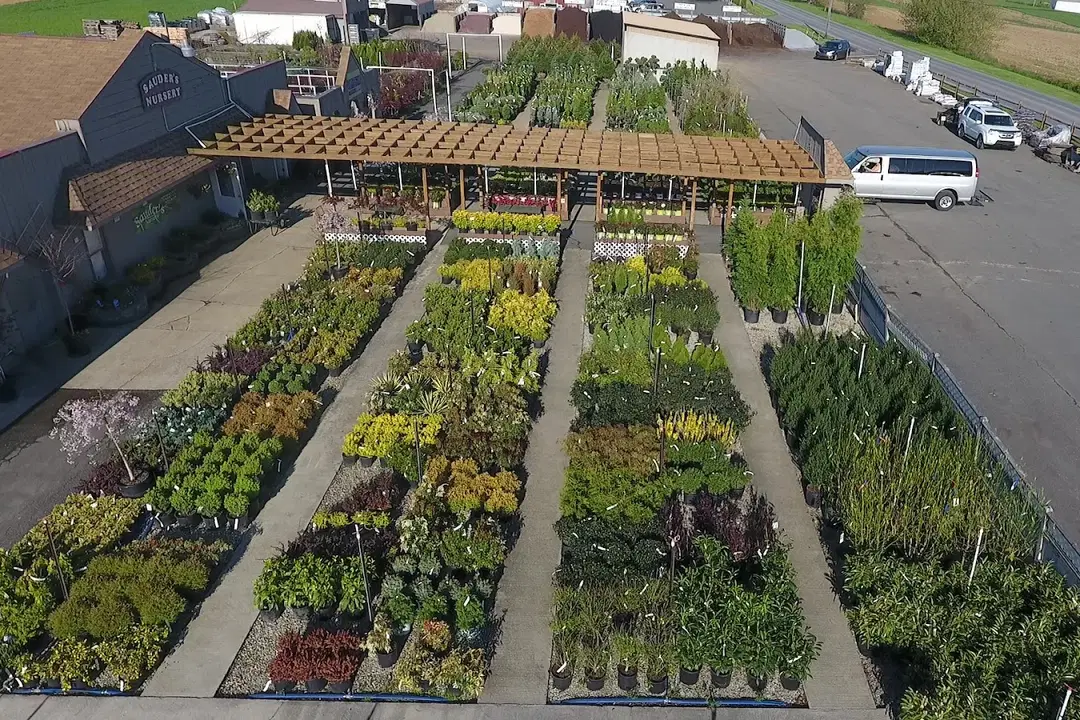
  • Sauder's Nursery LLC in East Earl, PA, on siteOn site

    2options

    • Listed as “QT – Sentimental Blue Balloon Flower (Platycodon grandiflorus ‘Sentimental Blue’) – QT – QT”

      Variety not confirmedAsk about sizesLowest priced listing

      From $12.68

    Catalog checked Nov 15, 2026. Confirm availability before visiting.

Showing 1 to 8 of 12 nurseries

Variety guides

Explore the complete plant collection, including varieties with no nursery listings yet.

Not yet listed: Astra Blue, Fairy Snow, Fuji Blue, Sentimental Blue

0 nurseries listed

About Balloon Flower

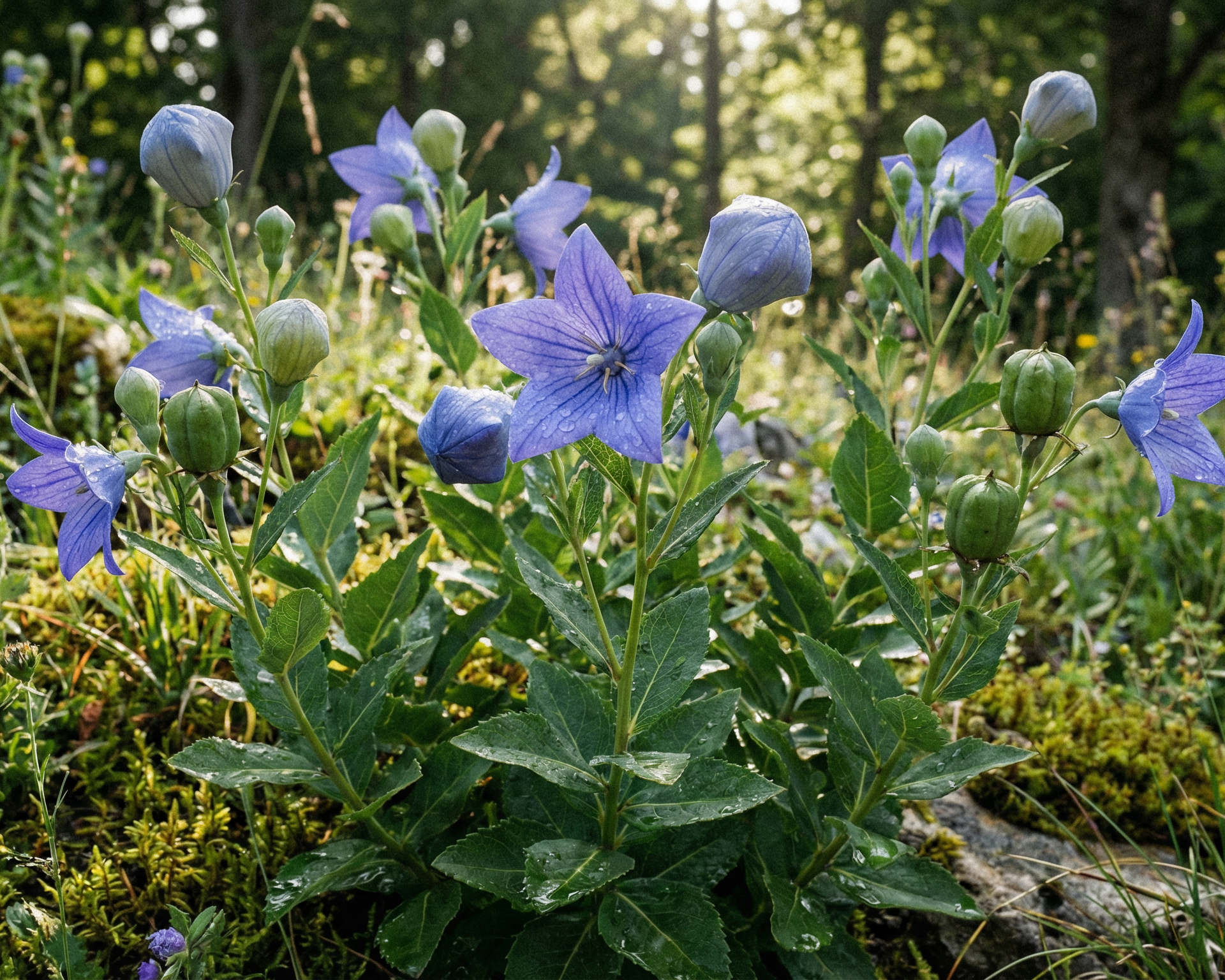
Platycodon grandiflorus, commonly known as the Balloon Flower, is the sole species in the genus Platycodon. A member of the Campanulaceae family, this herbaceous perennial is native to East Asia, particularly China, Korea, Japan, and the Russian Far East [1] [5]. Its most distinctive feature is the large, unopened flower buds which swell up into a puffy, balloon-like shape before opening into a beautiful, five-pointed, bell-shaped flower, giving the plant its common name [2].

The Balloon Flower typically grows to about 60 cm (24 inches) tall and forms clumps of upright stems with blue-green, ovate leaves. The flowers are most commonly blue to violet, but can also be found in white and pink varieties. Blooming occurs from early to mid-summer, with the potential for reblooming later in the season. The plant thrives in full sun to partial shade and prefers well-drained, loamy soils [3].

Beyond its ornamental value in gardens and as a cut flower, Platycodon grandiflorus holds significant cultural and practical importance. In traditional Chinese medicine, the root of the plant, known as Jie Geng (桔梗), has been used for centuries to treat respiratory conditions like coughs, colds, and sore throats [4]. The root is also consumed as a food item in Korean cuisine, where it is known as doraji and used in salads, pickles, and other dishes. Its adaptability and long-lived nature make it a popular choice for perennial borders and cottage gardens [3] [5].