Advanced Nursery Growers
Defuniak Springs, FL
2 options
From $8.00
Catalog checked Oct 1, 2026. Confirm availability before visiting.
5 nurseries nationwide
5 nurseries · 11 matching options
Defuniak Springs, FL
2 options
From $8.00
Catalog checked Oct 1, 2026. Confirm availability before visiting.
Cocoa, FL
2 options
From $6.95
Catalog checked Oct 1, 2026. Confirm availability before visiting.
Loxahatchee, FL
2 options
From $10.00
Catalog checked Oct 1, 2026. Confirm availability before visiting.
Tampa, FL
3 options
From $4.00
Catalog checked Oct 1, 2026. Confirm availability before visiting.
Fountain, FL
2 options
From $10.00
Catalog checked Oct 1, 2026. Confirm availability before visiting.
Showing 1–5 of 5 nurseries
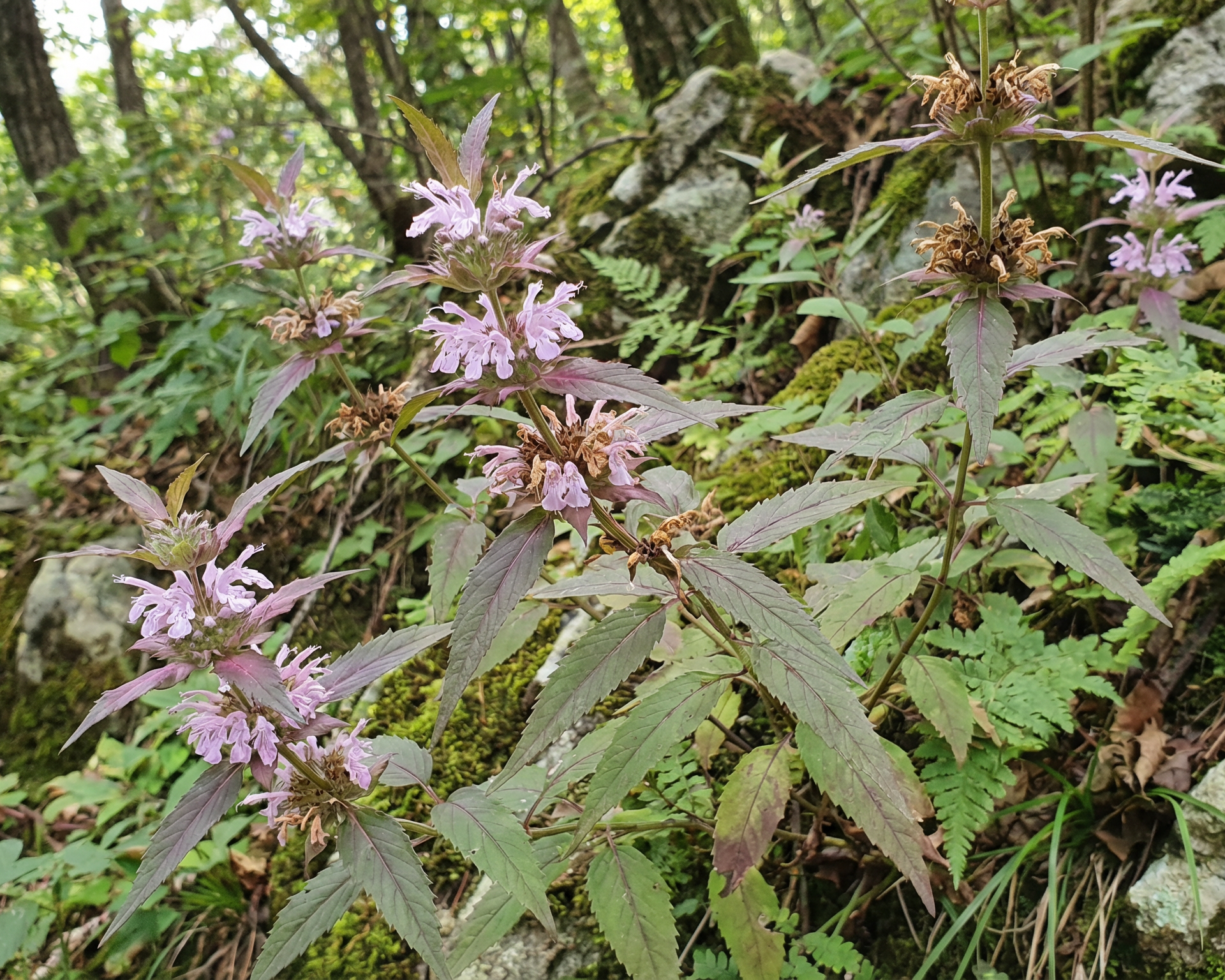
Bee Balm, known by its scientific name Monarda, is a genus of flowering plants in the mint family, Lamiaceae. Native to North America, this genus comprises around 17 species of herbaceous annuals and perennials. The name Monarda was given in honor of the 16th-century Spanish botanist Nicolás Monardes, who documented many of the New World's medicinal plants. Commonly known as bee balm, bergamot, horsemint, and Oswego tea, these plants are celebrated for their vibrant, uniquely shaped flowers and aromatic foliage. They are a favorite in pollinator gardens, attracting a wide array of bees, butterflies, and hummingbirds with their nectar-rich blossoms. Bee Balm plants are characterized by their square stems, a classic trait of the mint family, and their oppositely arranged, lance-shaped, serrated leaves. The plants typically grow to a height of 1 to 3 feet. The flowers are the most distinctive feature, with tubular petals forming dense, head-like clusters at the top of the stems. These flower heads are surrounded by leafy bracts, which are often tinged with the same color as the flowers. The color palette of Monarda flowers is diverse, ranging from the fiery red of Scarlet Bee Balm (Monarda didyma) to the lavender-pink of Wild Bergamot (Monarda fistulosa) and the pale purple of Lemon Bee Balm (Monarda citriodora). The historical and cultural significance of Bee Balm is deeply rooted in Native American traditions. Various tribes, including the Blackfoot and Oswego, utilized the plant for its medicinal properties. The leaves and flowers contain thymol, a compound with strong antiseptic qualities, making it effective in poultices for skin infections and as a tea for soothing sore throats and digestive issues. The common name "Oswego tea" originates from the Oswego people, who introduced the tea to early American colonists. In the culinary world, the leaves and flowers of Bee Balm are edible and can be used to flavor salads, jellies, and savory dishes, imparting a flavor that is a blend of spearmint, peppermint, and oregano. In the garden, Bee Balm is a relatively low-maintenance perennial that thrives in full sun to partial shade and prefers moist, well-drained soil. While they are adaptable to various soil types, they flourish in rich, organic matter. Good air circulation is crucial to prevent powdery mildew, a common fungal disease that can affect the foliage. Many modern cultivars have been bred for improved mildew resistance. Bee Balm spreads through underground rhizomes and can form large clumps over time. To maintain vigor and control its spread, it is recommended to divide the plants every few years. With their striking appearance, fragrant leaves, and value to pollinators, Bee Balm plants are a rewarding addition to any garden.
Explore the complete plant collection, including varieties with no nursery listings yet.