Eden of Wings
Enterprise, FL
1 option
Call for pricing
Catalog checked Oct 1, 2026. Confirm availability before visiting.
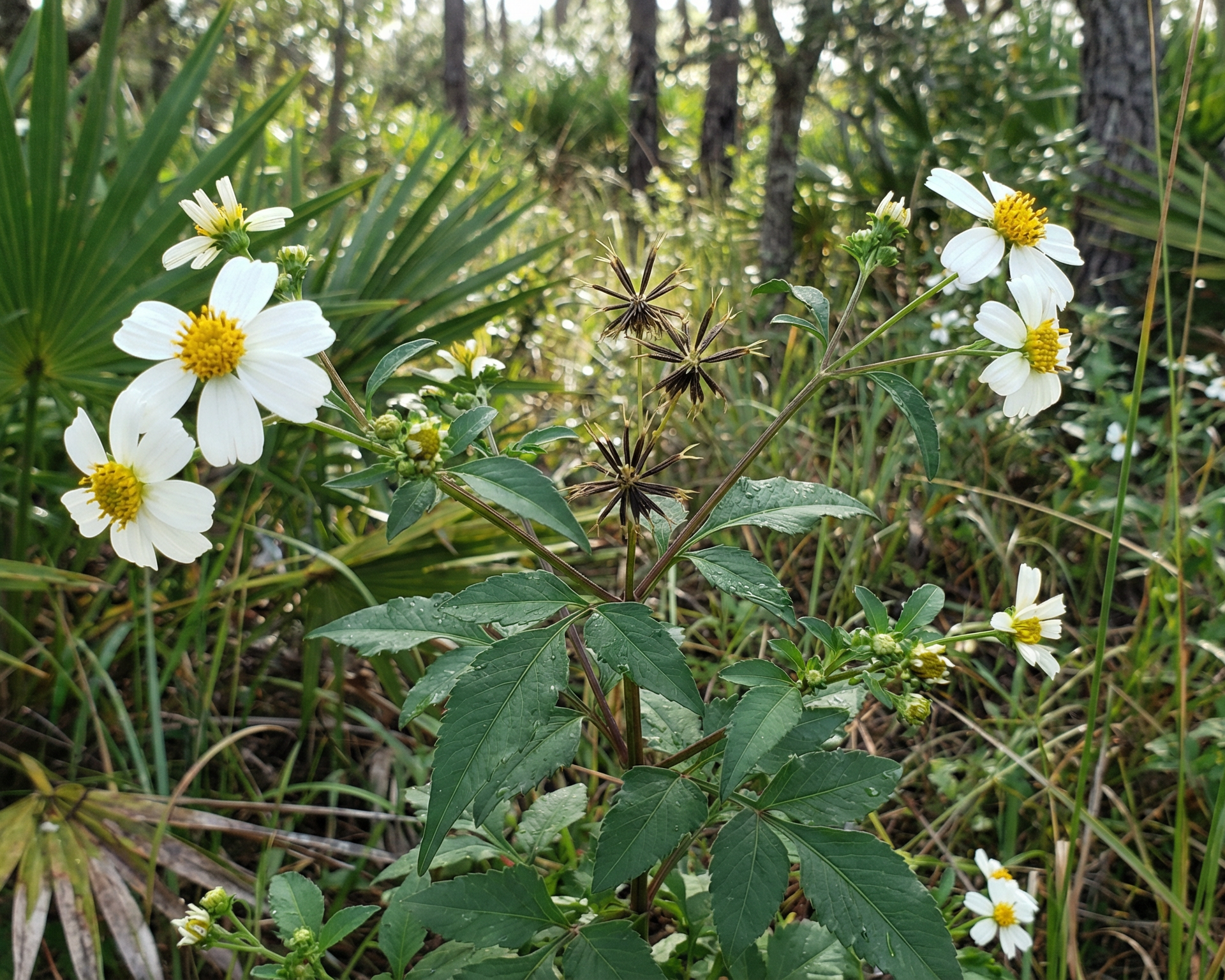
Bidens spp.
3 nurseries listed
3 nurseries · 6 matching options
Enterprise, FL
1 option
Call for pricing
Catalog checked Oct 1, 2026. Confirm availability before visiting.
Tampa, FL
4 options
From $5.00
Catalog checked Oct 1, 2026. Confirm availability before visiting.
Berkeley, CA
1 option
From $8.00
Catalog checked Oct 1, 2026. Confirm availability before visiting.
Showing 1–3 of 3 nurseries
Bidens, commonly known as beggarticks, is a genus of flowering plants in the aster family (Asteraceae). The name 'beggarticks' refers to the plant's seeds, which are equipped with barbs that cling to clothing and animal fur, allowing for widespread dispersal. This genus comprises over 200 species, found in a variety of habitats across the globe, from tropical to temperate regions. While some species are considered weeds, many are valued for their ornamental and ecological benefits, attracting pollinators such as bees and butterflies. The plants in the Bidens genus are typically herbaceous annuals or perennials, with some species growing as small shrubs. They are characterized by their daisy-like flowers, which can be yellow, white, or pink, and their oppositely arranged leaves. The leaves are often pinnately or bipinnately compound, giving them a fern-like appearance. The most distinctive feature of the genus is its fruit, a dry, seed-like achene with two to four sharp, barbed awns at one end. These awns are what give the plant its 'tick-like' quality and its common name. Several species of Bidens have a history of use in traditional medicine and as a food source. For example, in some cultures, the leaves and young shoots are cooked and eaten as a vegetable. Medicinally, various parts of the plant have been used to treat a range of ailments, from colds and respiratory infections to digestive issues and skin conditions. In modern permaculture, Bidens species are often used as cover crops and to attract beneficial insects, contributing to a healthy and balanced ecosystem. Most Bidens species are relatively easy to grow and are adaptable to a wide range of conditions. They generally prefer full sun and well-drained soil but can tolerate a variety of soil types. They are often found in disturbed areas, such as roadsides, fields, and gardens. While some species can be aggressive and weedy, others are well-behaved and make excellent additions to wildflower gardens and naturalized landscapes. Their cheerful flowers and ability to attract pollinators make them a valuable and interesting group of plants for both gardeners and naturalists.