Four Winds Growers
Watsonville, CA
3 options
From $65.00
Catalog checked Oct 1, 2026. Confirm availability before visiting.
Citrus × aurantium
2 nurseries listed
2 nurseries · 4 matching options
Watsonville, CA
3 options
From $65.00
Catalog checked Oct 1, 2026. Confirm availability before visiting.
Crawfordville, FL
1 option
From $64.99
Catalog checked Oct 1, 2026. Confirm availability before visiting.
Showing 1–2 of 2 nurseries
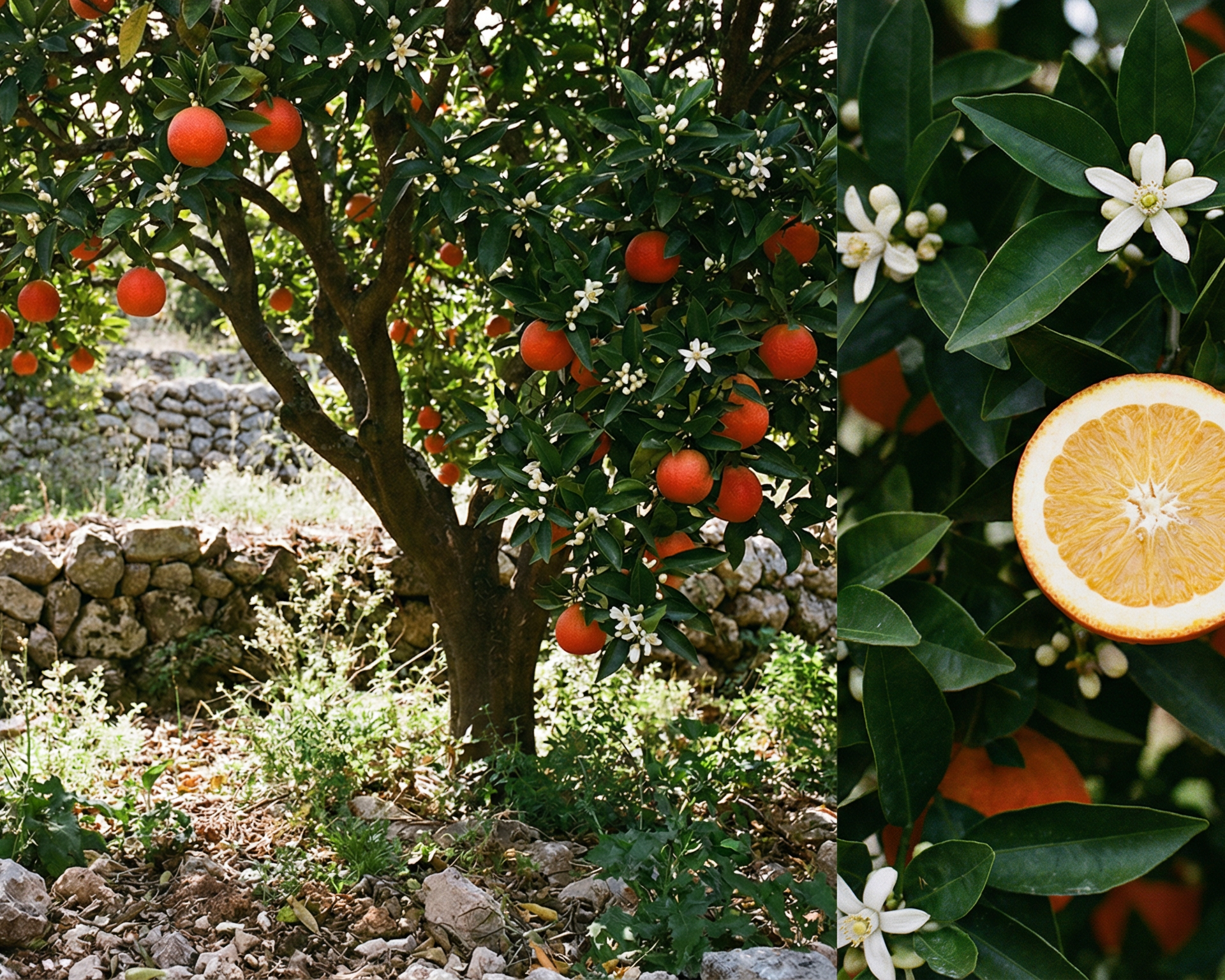
The bitter orange, also known as sour orange or Seville orange, is a hybrid citrus tree scientifically named Citrus × aurantium. This plant originated in Southeast Asia and is a cross between a pomelo (Citrus maxima) and a mandarin orange (Citrus reticulata). Although the fruit's pulp is too acidic and bitter to be eaten raw, it is highly valued in culinary arts. It is a key ingredient in marmalades, liqueurs like Grand Marnier and Triple Sec, and various sauces and marinades. The tree itself is cultivated in many tropical and subtropical regions worldwide, including Spain, Morocco, and Paraguay. Bitter orange trees are evergreen and typically grow to a height of 3 to 10 meters, featuring a rounded crown and thorny branches. The leaves are glossy, dark green, and fragrant, with a distinctive winged petiole. The tree produces large, white, and intensely fragrant flowers, which are the source of neroli oil, a valuable component in perfumery and aromatherapy. The fruit is round with a rough, thick, and aromatic peel that turns a vibrant reddish-orange when ripe. Inside, the pulp is pale yellow and contains numerous seeds. Beyond its culinary uses, the bitter orange holds significant value in other areas. The high pectin content of the fruit makes it ideal for producing high-quality marmalades, particularly the famous Seville orange marmalade from Great Britain. The peel is used as a flavoring for a variety of foods and beverages, including Belgian witbier. In traditional medicine, various parts of the plant have been used for their purported therapeutic properties. Furthermore, due to its hardiness and resistance to certain diseases, the bitter orange tree is widely used as a rootstock for other, more delicate citrus varieties, such as sweet oranges and grapefruits. It is also a popular ornamental tree in many parts of the world.