Bluegrass
Poa spp.
3 nurseries listed
Compare nurseries
Nurseries with recorded shipping, across all locations. Confirm delivery to your address and availability on the nursery website.
No nursery options match these filters
Try another size or variety, or broaden your location. Options with unconfirmed variety names are included when All varieties is selected.
About Bluegrass
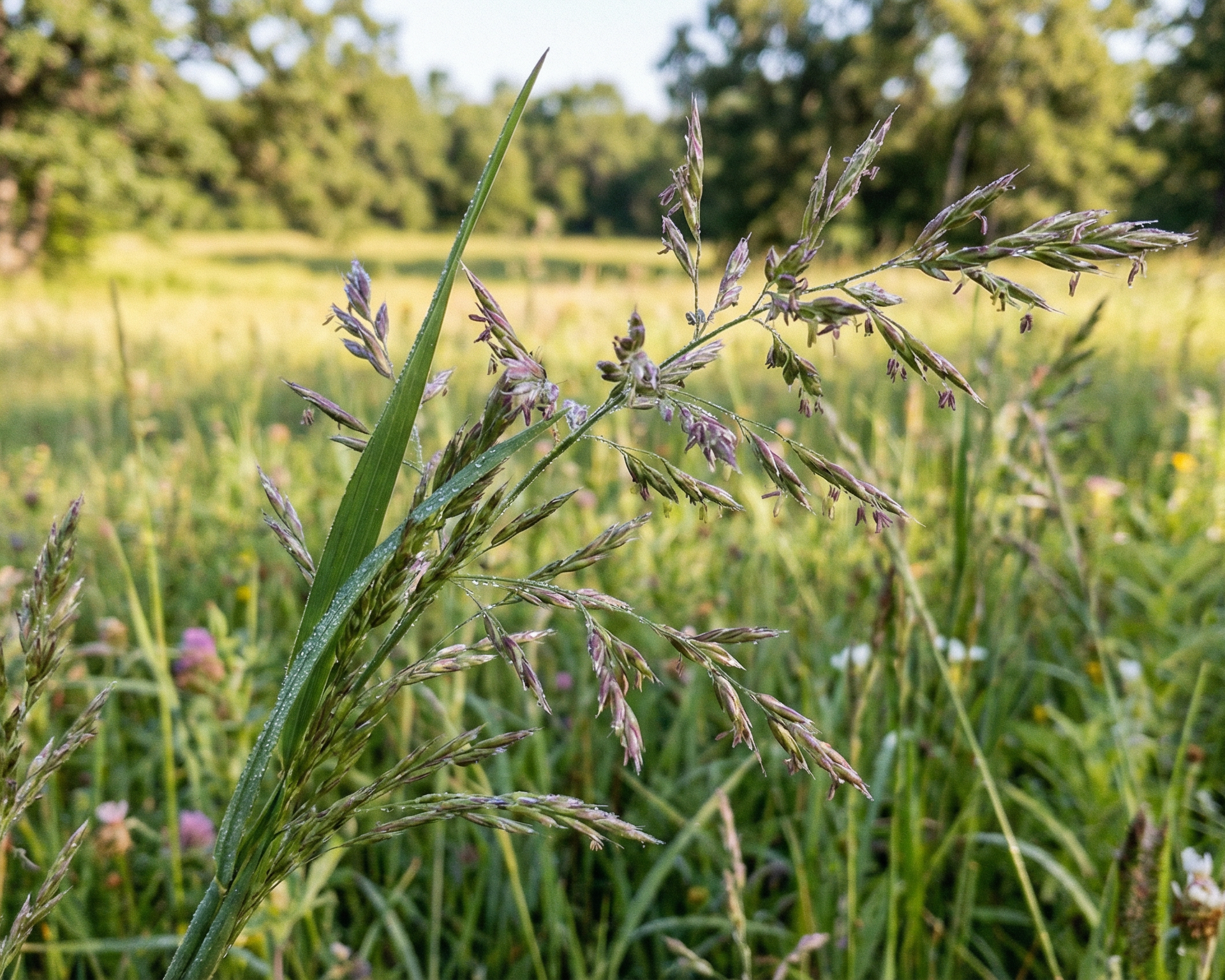
The genus Poa, commonly known as Bluegrass or Meadow-grass, comprises a vast and diverse group of approximately 570 species of grasses. These grasses are native to temperate regions across both hemispheres, showcasing a wide range of adaptations to various climates and conditions. The name Poa is derived from the Greek word for "fodder," a testament to the historical and ongoing importance of these grasses as a food source for livestock. While "Bluegrass" is the predominant common name in North America, "Meadow-grass" is more frequently used in Europe and Asia. The name "Bluegrass" itself is inspired by the bluish tint of the seed heads when the plants are allowed to reach their full height. Bluegrass species exhibit a variety of growth habits, with both annual and perennial varieties existing within the genus. They are characterized by their narrow, flat or folded leaves, which often feature a distinctive boat-shaped tip. The ligules, a small appendage at the junction of the leaf and leafstalk, are membranaceous. These grasses can be either monoecious, with both male and female flowers on the same plant, or, less commonly, dioecious, with individual plants being either male or female. The root systems of Poa species are typically fibrous, which makes them excellent for soil stabilization and erosion control. Many species within the Poa genus hold significant economic and ecological value. Poa pratensis, or Kentucky Bluegrass, is one of the most popular cool-season grasses for lawns, sports fields, and golf courses in the United States due to its resilience and lush appearance. Other species are vital pasture plants for grazing animals. In an ecological context, Poa grasses provide food and habitat for a variety of wildlife, including insects, birds, and small mammals. Their dense root systems help to prevent soil erosion, making them crucial for land restoration projects. Historically, some Poa species were also used for medicinal purposes, with records indicating their use in treating wounds and inflammation. Cultivating Bluegrass is relatively straightforward, with planting best done in the cooler months of autumn or early spring to allow for establishment before the onset of summer heat or winter cold. They are generally hardy and adaptable, though specific requirements for sunlight and water can vary between species. Once established, many Poa species are drought-tolerant and require minimal maintenance. They are also relatively resistant to pests and diseases, making them a low-maintenance option for landscaping and agriculture. Regular mowing is necessary when used for lawns to maintain a neat appearance and to encourage dense growth.
Plant facts
- Sun
- Full Sun, Partial Sun, Partial Shade
- Water
- Regular, Drought Tolerant
- USDA zones
- 3-9
- Lifecycle
- Perennial