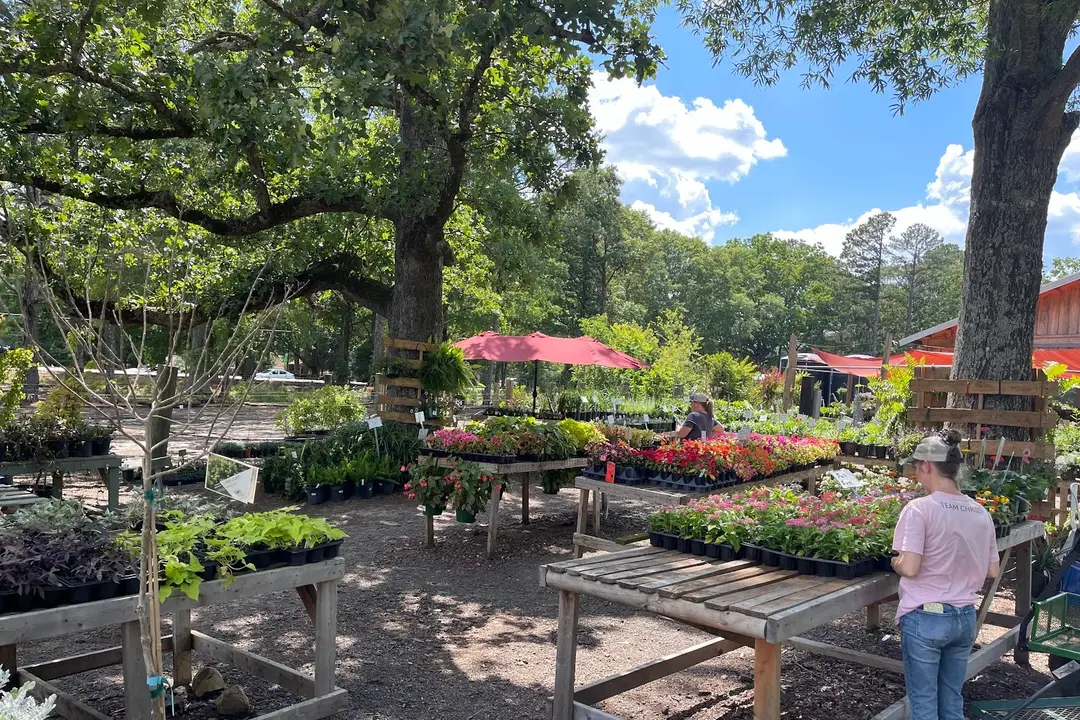
 On site
Breaking Ground Farm & Nursery
Senoia, GA
2options
Listed as “Borage”
Variety not confirmed4.5 inLowest priced listingFrom $4.95
Catalog checked Nov 15, 2026. Confirm availability before visiting.
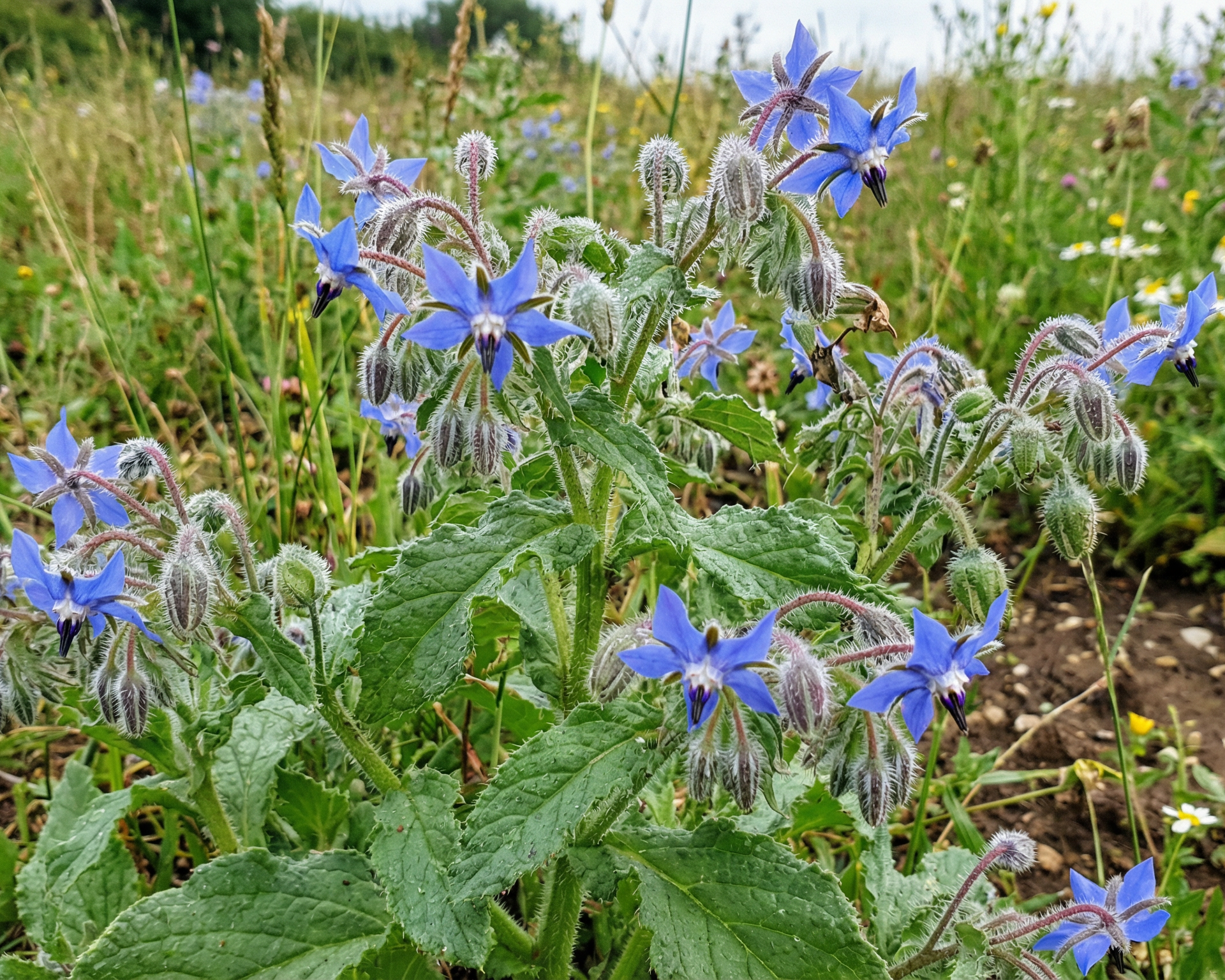
Borago officinalis
Borage (genus Borago) is a small genus of herbaceous plants native to the Mediterranean region. It belongs to the Boraginaceae family, which also includes forget-me-nots and comfrey. Read more
5 nurseries · 6 matching options
Choose a city or ZIP to find nearby growers. Showing nationwide listings until you choose an area.
On siteSenoia, GA
2options
Listed as “Borage”
From $4.95
Catalog checked Nov 15, 2026. Confirm availability before visiting.
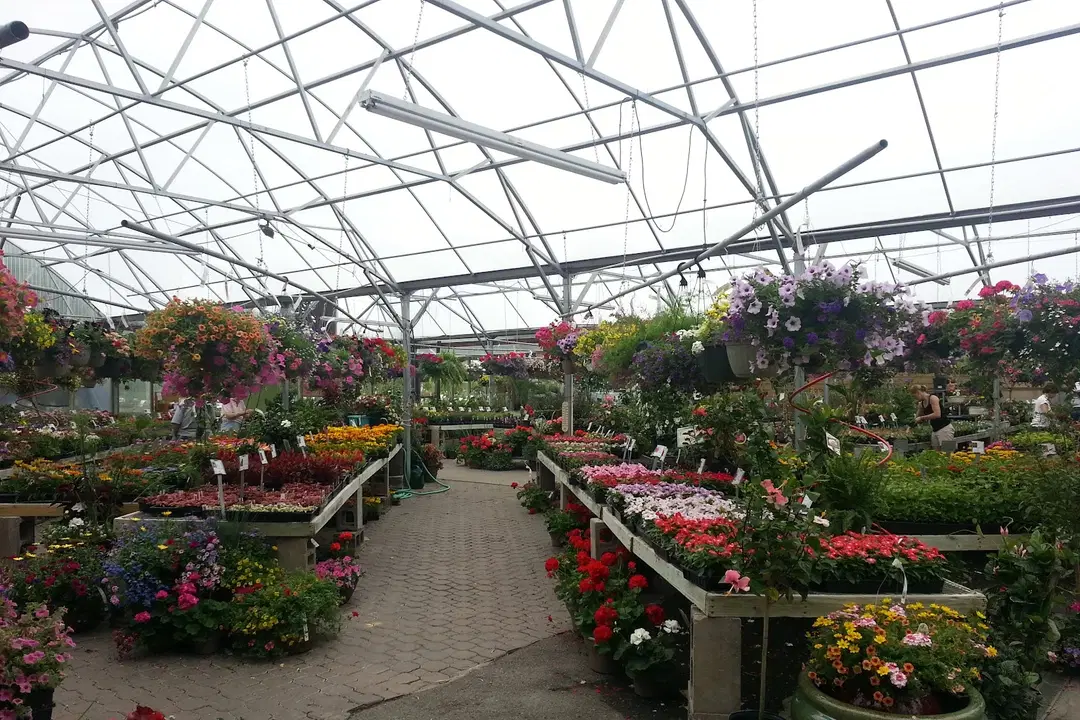 On site
Lincoln, NE
1option
Listed as “Borage”
$4.98
Catalog checked Nov 15, 2026. Confirm availability before visiting.
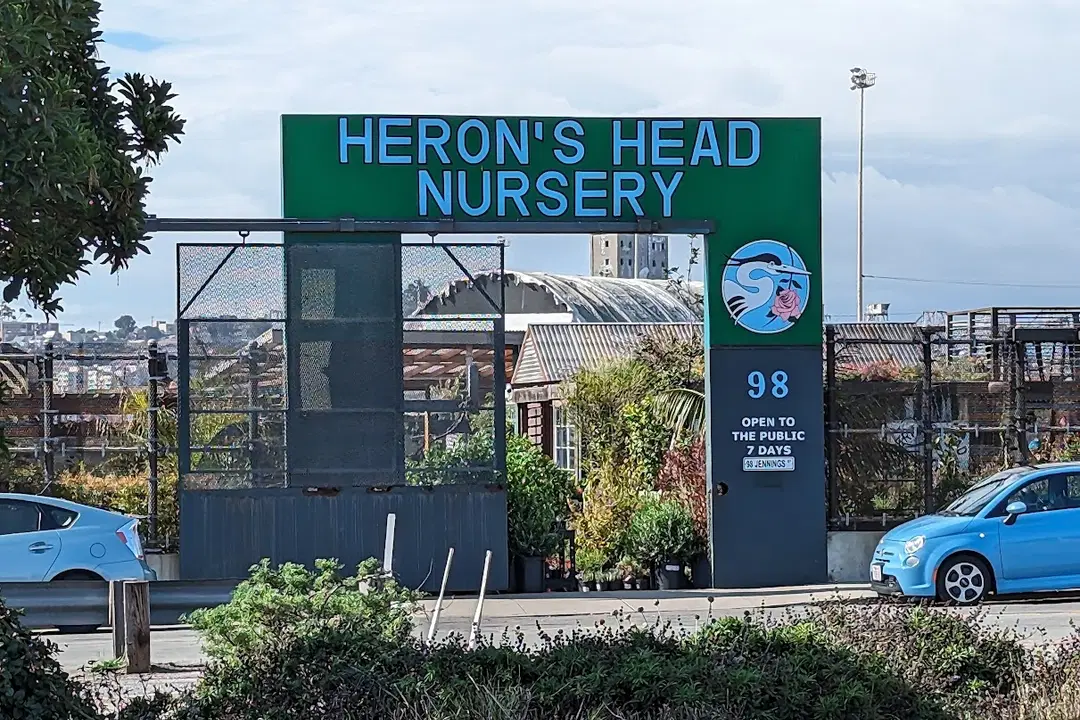 On site
San Francisco, CA
1option
Listed as “Borago officinalis (Borage)”
Call for pricing
Catalog checked Nov 15, 2026. Confirm availability before visiting.
 Plants they list
Tarrytown, NY
1option
Listed as “Borage”
Call for pricing
Catalog checked Nov 15, 2026. Confirm availability before visiting.
 On site
Hawley, MA
1option
Listed as “Borage”
$5.00
Catalog checked Nov 15, 2026. Confirm availability before visiting.
Showing 1 to 5 of 5 nurseries
Explore the complete plant collection, including varieties with no nursery listings yet.
Not yet listed: Alba, Bill Archer
0 nurseries listed
Borage (genus Borago) is a small genus of herbaceous plants native to the Mediterranean region. It belongs to the Boraginaceae family, which also includes forget-me-nots and comfrey. The most well-known species is Borago officinalis, which is widely cultivated for its culinary and medicinal uses and has naturalized in many other regions. The name ""Borago"" is thought to derive from the Latin word ""burra,"" meaning ""hairy garment,"" a reference to the bristly hairs covering the leaves and stems of the plant.
Borage is an annual herb characterized by its bristly or hairy texture. It typically grows to a height of 60-100 cm. The leaves are alternate, simple, and can be 5–15 cm long. The plant produces vibrant, star-shaped flowers, which are most often a striking blue, though pink and white variations exist. These flowers have five narrow, triangular-pointed petals and are a favorite of bees.
Borage has a long history of culinary and medicinal use. The leaves have a refreshing cucumber-like taste and are often used in salads, soups, and drinks. The flowers are also edible and are used as a garnish for salads, desserts, and cocktails. Medicinally, borage is best known for its seed oil, which is a rich source of gamma-linolenic acid (GLA), an omega-6 fatty acid. Borage oil is often used as a supplement for its anti-inflammatory properties. In the garden, borage is a valuable companion plant, attracting pollinators and accumulating trace minerals in the soil.