Eco Blossom Nursery
Fort Worth, TX
1 option
Call for pricing
Catalog checked Oct 4, 2026. Confirm availability before visiting.
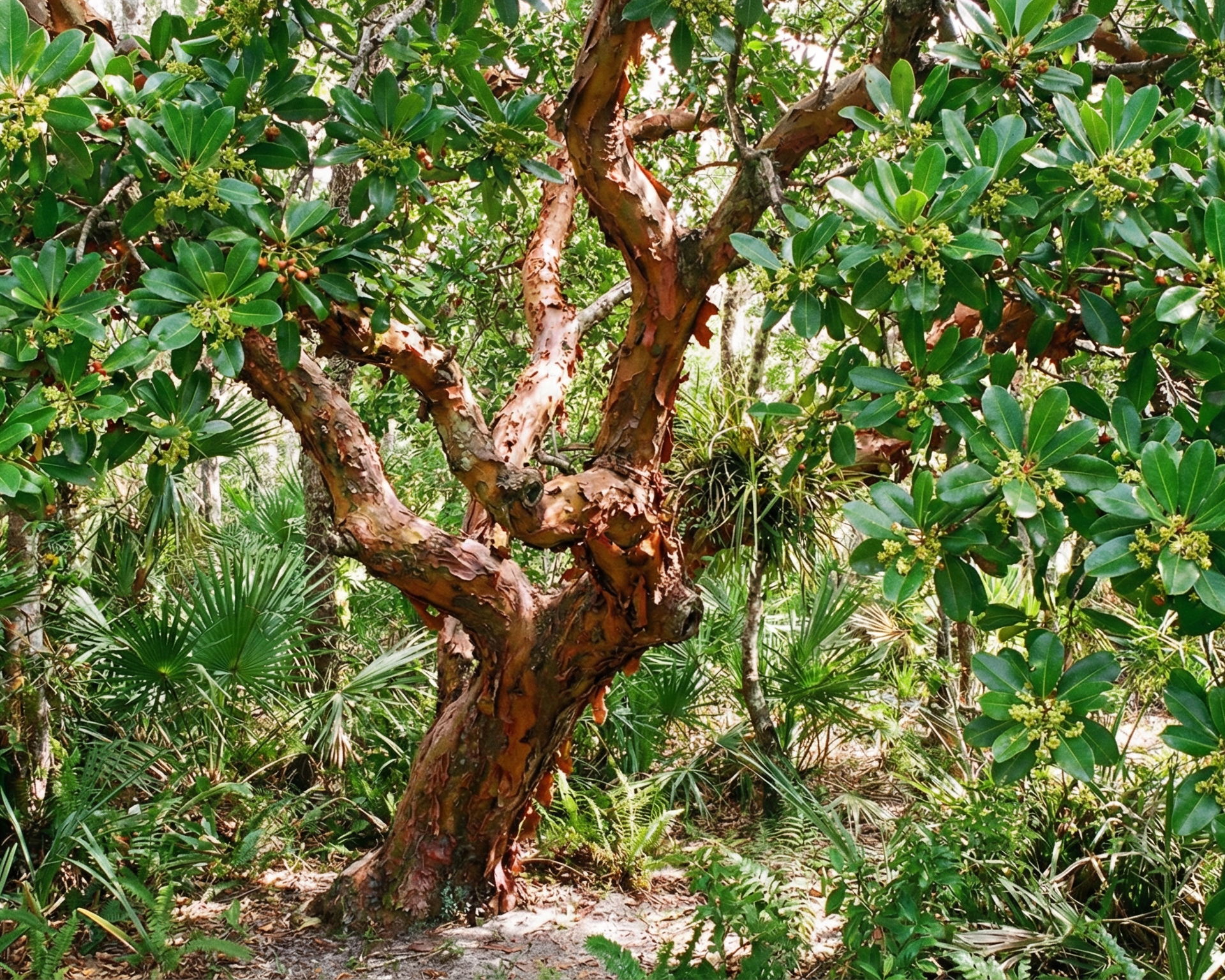
Sideroxylon spp.
5 nurseries listed
5 nurseries · 16 matching options
Fort Worth, TX
1 option
Call for pricing
Catalog checked Oct 4, 2026. Confirm availability before visiting.
Groveland, FL
1 option
Call for pricing
Catalog checked Oct 2, 2026. Confirm availability before visiting.
Tampa, FL
1 option
From $9.00
Catalog checked Oct 1, 2026. Confirm availability before visiting.
Miami, FL
6 options
From $20.00
Catalog checked Oct 1, 2026. Confirm availability before visiting.
Largo, FL
7 options
From $15.99
Catalog checked Oct 1, 2026. Confirm availability before visiting.
Showing 1–5 of 5 nurseries
Sideroxylon is a genus of flowering plants in the sapodilla family, Sapotaceae, that encompasses about 80 species of trees and shrubs. Commonly known as bully trees, the generic name is derived from the Greek words sideros (iron) and xylon (wood), a reference to the characteristic hardness and density of their wood. These plants are widely distributed across temperate and tropical regions, with a significant presence in North and South America, as well as Africa, Madagascar, and southern Asia. While some species are evergreen, others are deciduous, and they inhabit a variety of ecosystems, from dry, coastal thickets to moist, semi-deciduous forests. Bully trees are characterized by their often spiny branches and the presence of a gummy or milky sap. Their leaves are typically simple, leathery, and arranged alternately or in clusters on the stems. The flowers are small, usually white, and grow in clusters, emitting a sweet fragrance that attracts pollinators like bees. The fruit is a fleshy, one-seeded berry that ripens to a black or purplish color. In many species, the fruit is edible and serves as a food source for a variety of wildlife, including birds and mammals. The bark of some species, such as the gum bully (Sideroxylon lanuginosum), has been traditionally used as a chewing gum. The genus Sideroxylon holds both economic and ecological significance. The hard, durable wood of many species is highly valued for construction, cabinet making, and boat building. Certain species, like the false mastic (Sideroxylon foetidissimum), have a history of cultivation for their edible fruits, a practice that dates back to Mayan civilization. Ecologically, bully trees play a role in their respective habitats by providing food and shelter for wildlife. Their flowers are an important nectar source for honey bees, and their fruits are consumed by a wide range of animals. Several species are also used in traditional medicine, though this is less common.