Incredible Edible Landscapes
Loxahatchee, FL
6 options
From $9.00
Catalog checked Oct 1, 2026. Confirm availability before visiting.
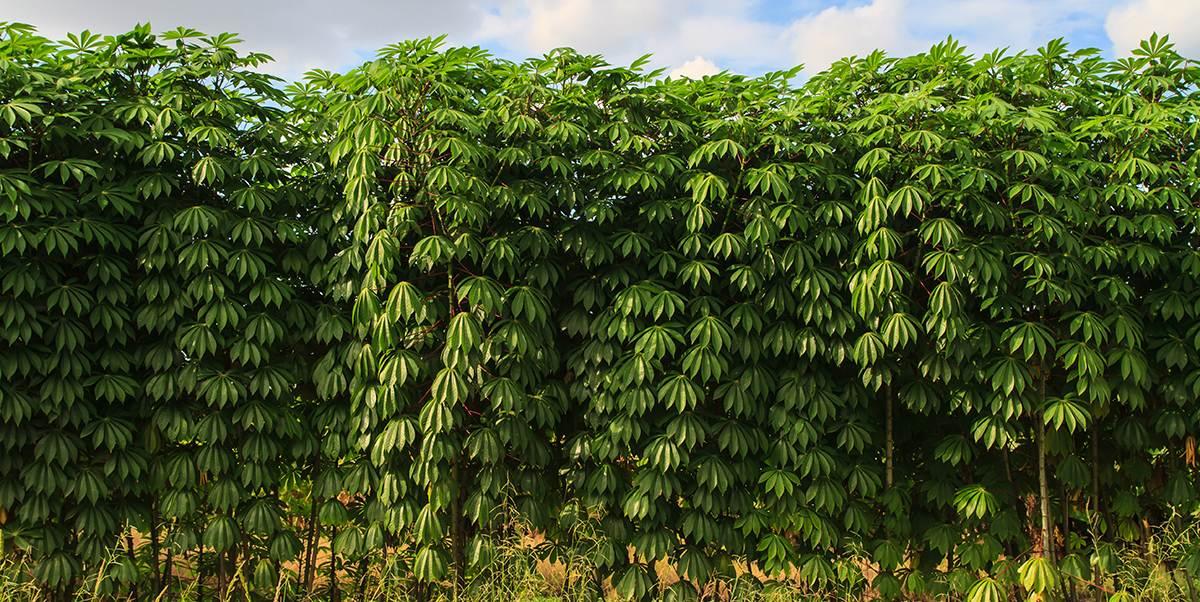
Manihot esculenta
2 nurseries listed
2 nurseries · 7 matching options
Loxahatchee, FL
6 options
From $9.00
Catalog checked Oct 1, 2026. Confirm availability before visiting.
Crawfordville, FL
1 option
From $29.99
Catalog checked Oct 1, 2026. Confirm availability before visiting.
Showing 1–2 of 2 nurseries
Cassava (Manihot esculenta), also known as yuca, manioc, or tapioca, is a woody shrub native to South America that is now widely cultivated in tropical and subtropical regions around the world. As a member of the spurge family (Euphorbiaceae), it is renowned for its starchy tuberous root, which serves as a major source of carbohydrates for millions of people. Though a perennial plant, it is typically grown as an annual crop. The plant can reach up to 10 feet in height, featuring palmate leaves and inconspicuous flowers. The primary importance of cassava lies in its starchy roots, which are a staple food in many developing countries. The roots are a good source of carbohydrates but are low in protein and other nutrients. They must be properly prepared before consumption to remove toxic compounds, particularly cyanogenic glucosides. The peeled and cooked root is consumed in various forms, including boiled, fried, or ground into flour. This flour is used to make bread, cakes, and other baked goods. The starch extracted from cassava, known as tapioca, is used in a variety of food products, including puddings, pearls, and as a thickener. Beyond its culinary uses, cassava has significant cultural and economic importance. It is a resilient crop that can grow in poor soils and is drought-tolerant, making it a reliable food source in regions with challenging agricultural conditions. In addition to its role as a food crop, cassava is also used to produce animal feed and biofuels. The leaves of the plant are also edible and are a good source of protein, vitamins, and minerals. They are often cooked and eaten as a vegetable in many parts of the world.
Explore the complete plant collection, including varieties with no nursery listings yet.