Catmint
Nepeta spp.
9 nurseries listed
Compare nurseries
Nurseries with recorded shipping, across all locations. Confirm delivery to your address and availability on the nursery website.
No nursery options match these filters
Try another size or variety, or broaden your location. Options with unconfirmed variety names are included when All varieties is selected.
About Catmint
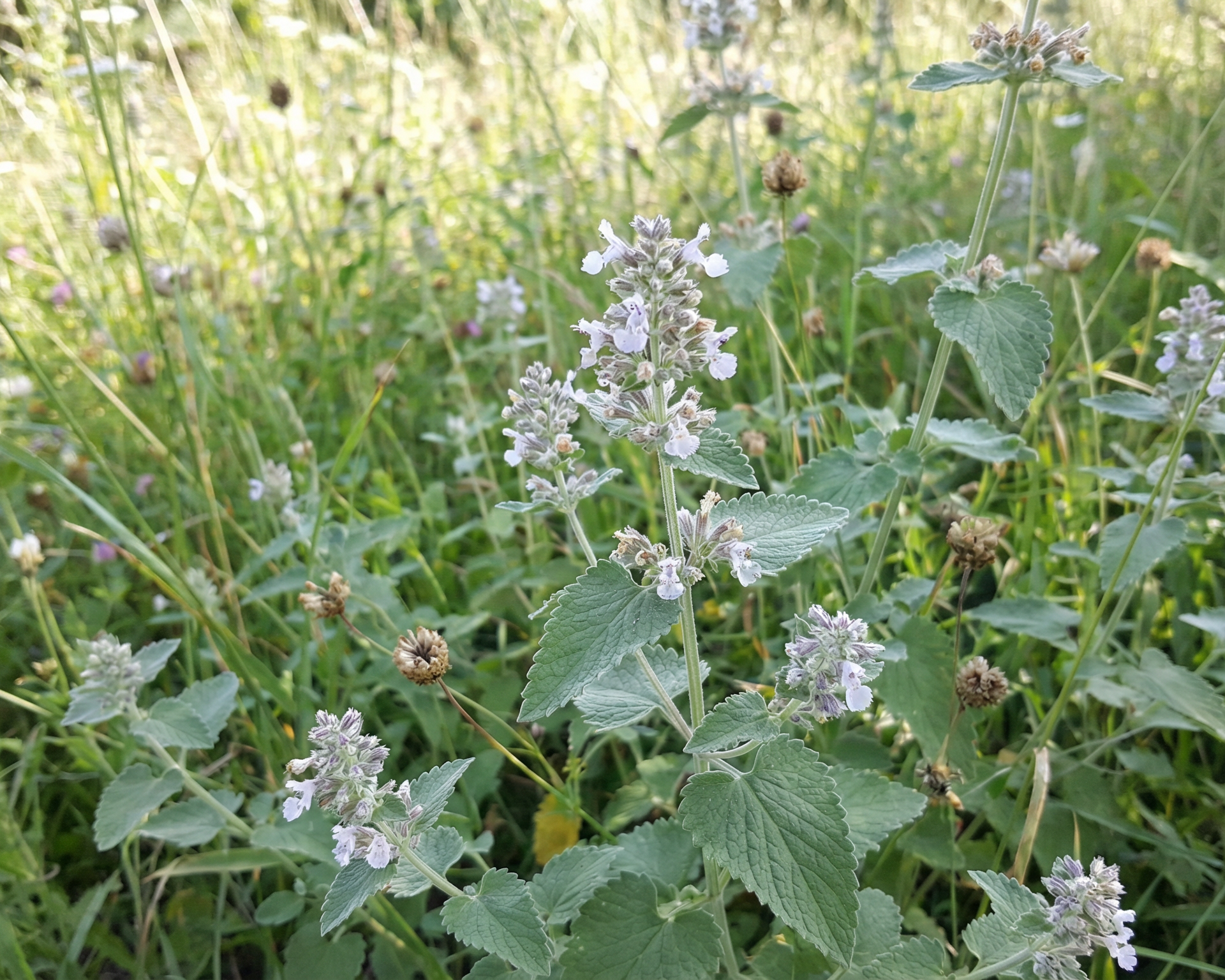
Nepeta, more commonly known as catmint, is a genus of approximately 250 species of flowering plants belonging to the mint family (Lamiaceae). Native to Europe, Asia, and Africa, these plants have become naturalized in many other regions, including North America. The genus name is thought to derive from Nepete, an ancient Etruscan city. Catmints are particularly famous for their aromatic foliage and the euphoric effect some species have on domestic cats and other felines. Catmints are typically herbaceous perennials that form clumps or spread moderately, but unlike true mints, they are not considered invasive. They feature the square stems characteristic of the Lamiaceae family, with soft, gray-green, heart-shaped leaves that release a pleasant, minty aroma when bruised. From late spring through autumn, they produce spikes of tubular, two-lipped flowers in shades of lavender, blue, white, or pink, often adorned with small purple spots. These prolific blooms make catmint a favorite in ornamental gardens. Historically and culturally, the most notable use of Nepeta is its interaction with cats. The chemical compound nepetalactone, present in species like Nepeta cataria (catnip), is a powerful attractant for about two-thirds of cats, inducing behaviors ranging from playful excitement to mellow relaxation. Beyond its appeal to felines, catmint is a valuable garden plant, prized for its extended blooming period, drought resistance, and ability to deter pests like deer and rabbits. The flowers are a significant nectar source for pollinators, including bees, butterflies, and hummingbirds. Certain species have also been used in traditional herbal medicine and as a culinary herb, with the leaves brewed into teas or used to flavor foods. Growing catmint is relatively straightforward, as it is a hardy and low-maintenance perennial. It flourishes in full sun and requires well-drained soil, tolerating a variety of soil conditions from clay to rocky and sandy types. Once established, catmint is quite drought-tolerant. To promote a second flush of flowers and maintain a compact shape, it is recommended to shear the plant back by about half after the initial blooming period. Propagation is easily accomplished through division in the spring or fall, or by planting seeds.
Plant facts
- Sun
- Full Sun, Partial Sun
- Water
- Regular, Low, Drought Tolerant
- USDA zones
- 3-9
- Lifecycle
- Perennial
Variety guides
Explore the complete plant collection, including varieties with no nursery listings yet. Counts reflect your location and shopping filters.