Bustani Plant Farm
Stillwater, OK
1 option
Call for pricing
Catalog checked Oct 1, 2026. Confirm availability before visiting.
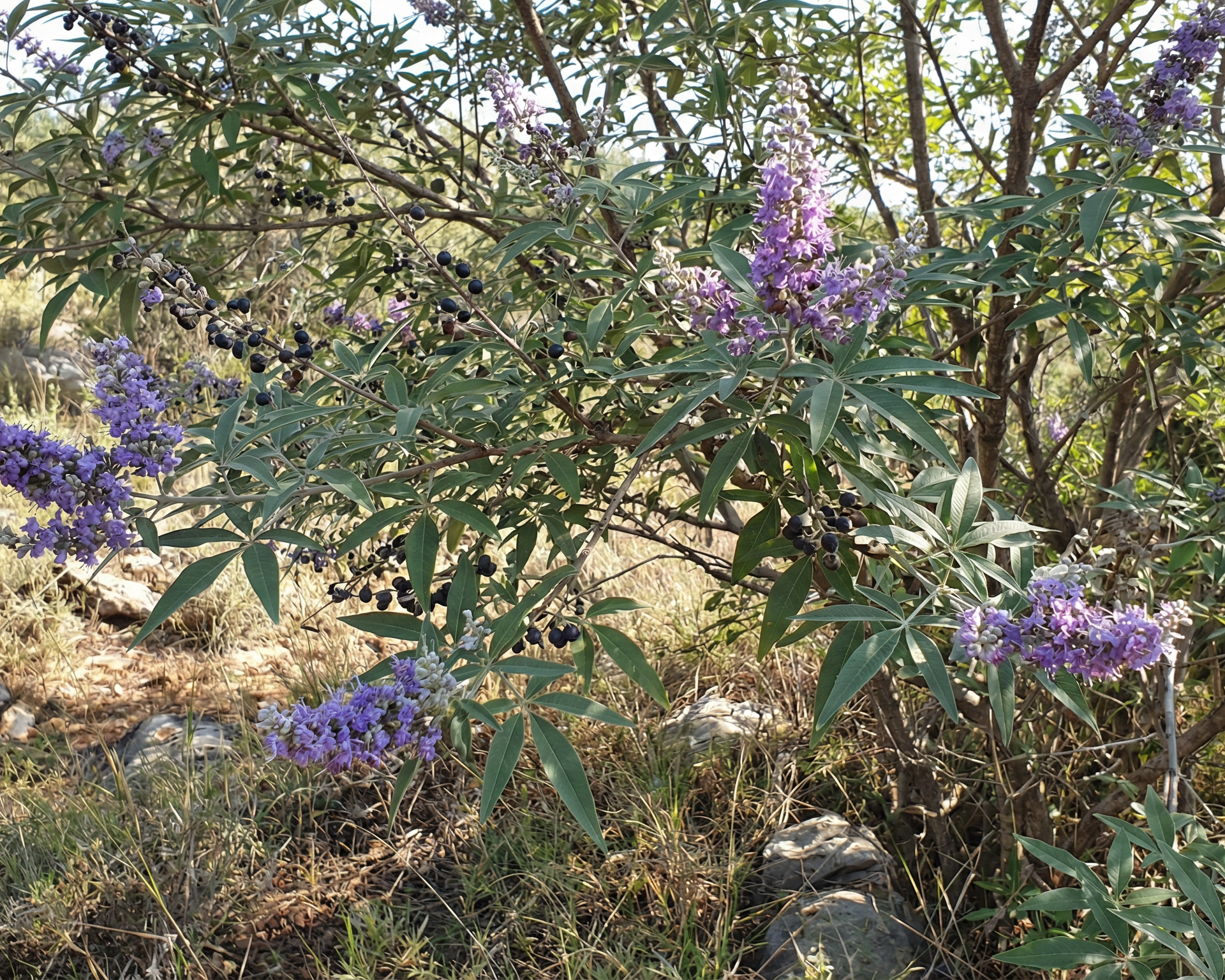
Vitex agnus-castus
6 nurseries listed
6 nurseries · 13 matching options
Stillwater, OK
1 option
Call for pricing
Catalog checked Oct 1, 2026. Confirm availability before visiting.
Alachua, FL
1 option
From $84.95
Catalog checked Oct 1, 2026. Confirm availability before visiting.
Pierson, FL
2 options
From $175.00
Catalog checked Oct 1, 2026. Confirm availability before visiting.
Jones, OK
1 option
From $169.99
Catalog checked Oct 1, 2026. Confirm availability before visiting.
Carpinteria, CA
3 options
From $10.00
Catalog checked Oct 1, 2026. Confirm availability before visiting.
Aiken, SC
5 options
Call for pricing
Catalog checked Oct 1, 2026. Confirm availability before visiting.
Showing 1–6 of 6 nurseries
The genus Vitex, commonly known as the Chaste Tree, is a group of about 250 species of shrubs and small trees belonging to the mint family, Lamiaceae. Native to tropical and subtropical regions of the world, with some species found in temperate zones, Vitex is widely cultivated for its ornamental value and medicinal properties. The most well-known species is Vitex agnus-castus, which is the source of the common name and has a long history of use in traditional medicine. Chaste Trees are typically deciduous, losing their leaves in the fall. They are characterized by their palmately compound leaves, which are composed of five to seven leaflets arranged like the fingers of a hand. The foliage is often aromatic, releasing a pleasant scent when crushed. In mid to late summer, Vitex produces showy, fragrant flowers in long, upright spikes. The flowers, which can be violet, blue, white, or pink, are highly attractive to butterflies and other pollinators. Following the flowers, small, fleshy fruits called drupes develop, which are often reddish-purple to black. Vitex has a long history of human use. The berries of Vitex agnus-castus have been used for centuries in herbal medicine, particularly for hormonal imbalances in women. The flexible branches of some species have been used in basket weaving. In the landscape, Chaste Trees are valued for their late-summer blooms, which provide color when many other plants have finished flowering. They can be grown as large shrubs or trained into small, multi-trunked trees, making them versatile additions to shrub borders, foundation plantings, and butterfly gardens. Chaste Trees are relatively easy to grow and care for, thriving in full sun and well-drained soil. They are drought-tolerant once established and are not particular about soil type. In colder climates (USDA Zones 5 and 6), Vitex may die back to the ground in winter, but it will typically regrow from the roots in the spring and still produce flowers on the new growth. Pruning is generally done in late winter or early spring to shape the plant and remove any dead or damaged wood. Vitex is generally resistant to serious pests and diseases.