Heritage Flower Farm
Mukwonago, WI
1 option
From $14.25
Catalog checked Oct 1, 2026. Confirm availability before visiting.
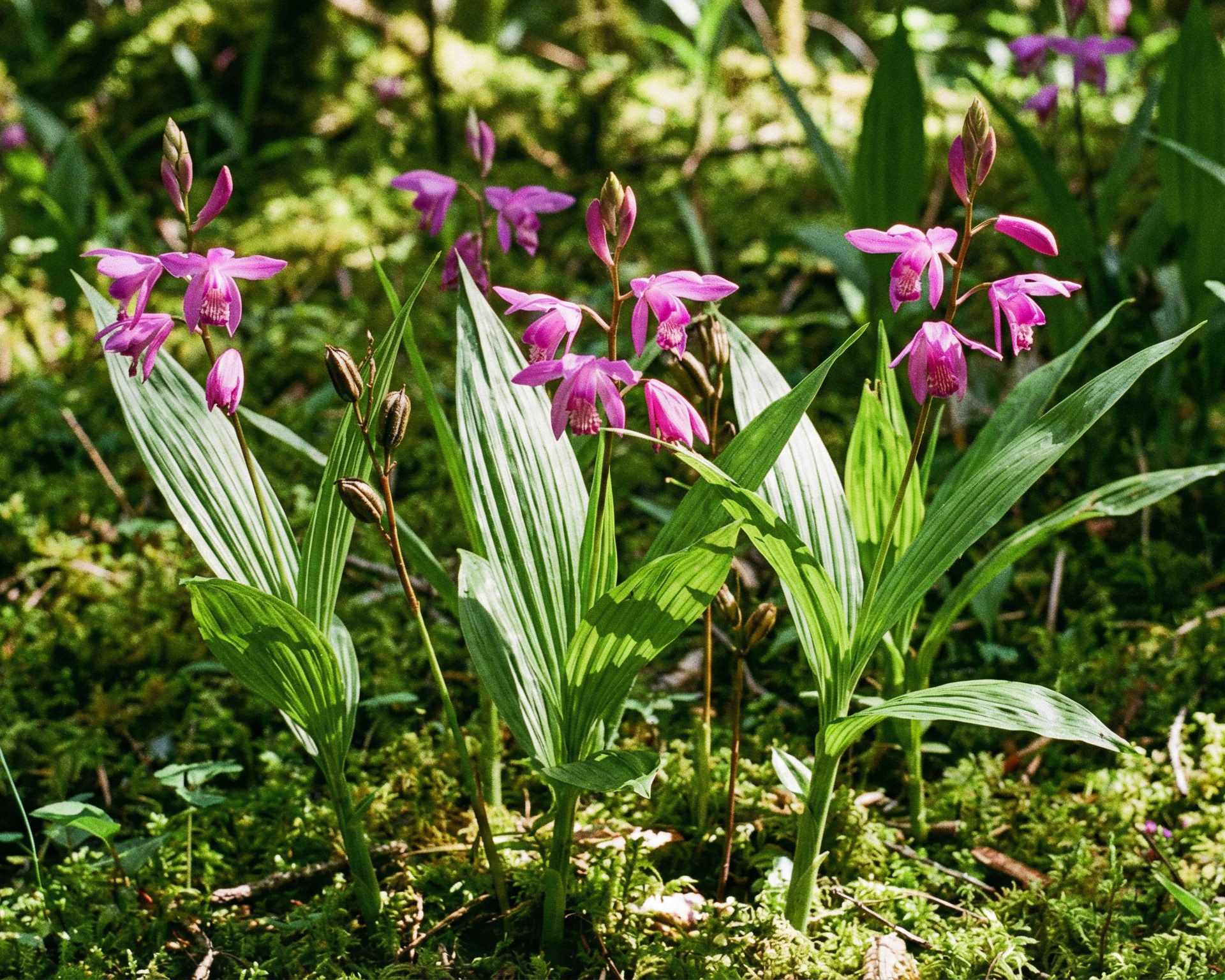
Bletilla striata
4 nurseries listed
4 nurseries · 13 matching options
Mukwonago, WI
1 option
From $14.25
Catalog checked Oct 1, 2026. Confirm availability before visiting.
San Francisco, CA
2 options
Call for pricing
Catalog checked Oct 4, 2026. Confirm availability before visiting.
Stanwood, WA
9 options
Call for pricing
Catalog checked Oct 1, 2026. Confirm availability before visiting.
Hempstead, TX
1 option
From $30.00
Catalog checked Oct 1, 2026. Confirm availability before visiting.
Showing 1–4 of 4 nurseries
Bletilla, commonly known as the Chinese Ground Orchid or Hardy Orchid, is a genus of temperate, terrestrial orchids native to China, Japan, Taiwan, and other parts of Southeast Asia. This small genus, with only five recognized species, is highly regarded in the horticultural world for its relative ease of cultivation compared to other orchids, making it a popular choice for beginner and experienced gardeners alike. The most common and well-known species is Bletilla striata, which has been cultivated in England since 1794. The Chinese Ground Orchid is characterized by its corm-like pseudobulbs that sit at ground level, from which emerge attractive, pleated, sword-shaped leaves that can grow up to 12 inches long. In the spring and early summer, the plant produces racemes of small, elegant, cattleya-like flowers that can range in color from white and pink to purple and yellow. The flowers, which are about 2 inches wide, bloom for several weeks, adding a delicate and graceful touch to any garden. Beyond its ornamental value, Bletilla has a history of use in traditional Chinese medicine. The pseudobulbs, known as "Bai Ji," have been used for their hemostatic properties to stop bleeding. In the garden, the Chinese Ground Orchid is versatile and can be used in borders, rock gardens, container plantings, and Asian-themed gardens. Its attractive foliage provides interest even when the plant is not in bloom. For successful cultivation, the Chinese Ground Orchid prefers a location with partial shade, especially in areas with hot summers, and thrives in organically rich, well-drained soil that is kept consistently moist but not waterlogged. It is a hardy plant, suitable for USDA zones 5-9, though in colder climates, a winter mulch is recommended to protect the pseudobulbs from freezing. The plant will naturalize over time, forming beautiful clumps that produce an abundance of flowers each year.