 On site
Woodlanders
Aiken, SC
1option
Listed as “Aronia arbutifolia 'Brilliantissima'”
Variety not confirmedAsk about sizesCall for pricing
Catalog checked Nov 15, 2026. Confirm availability before visiting.
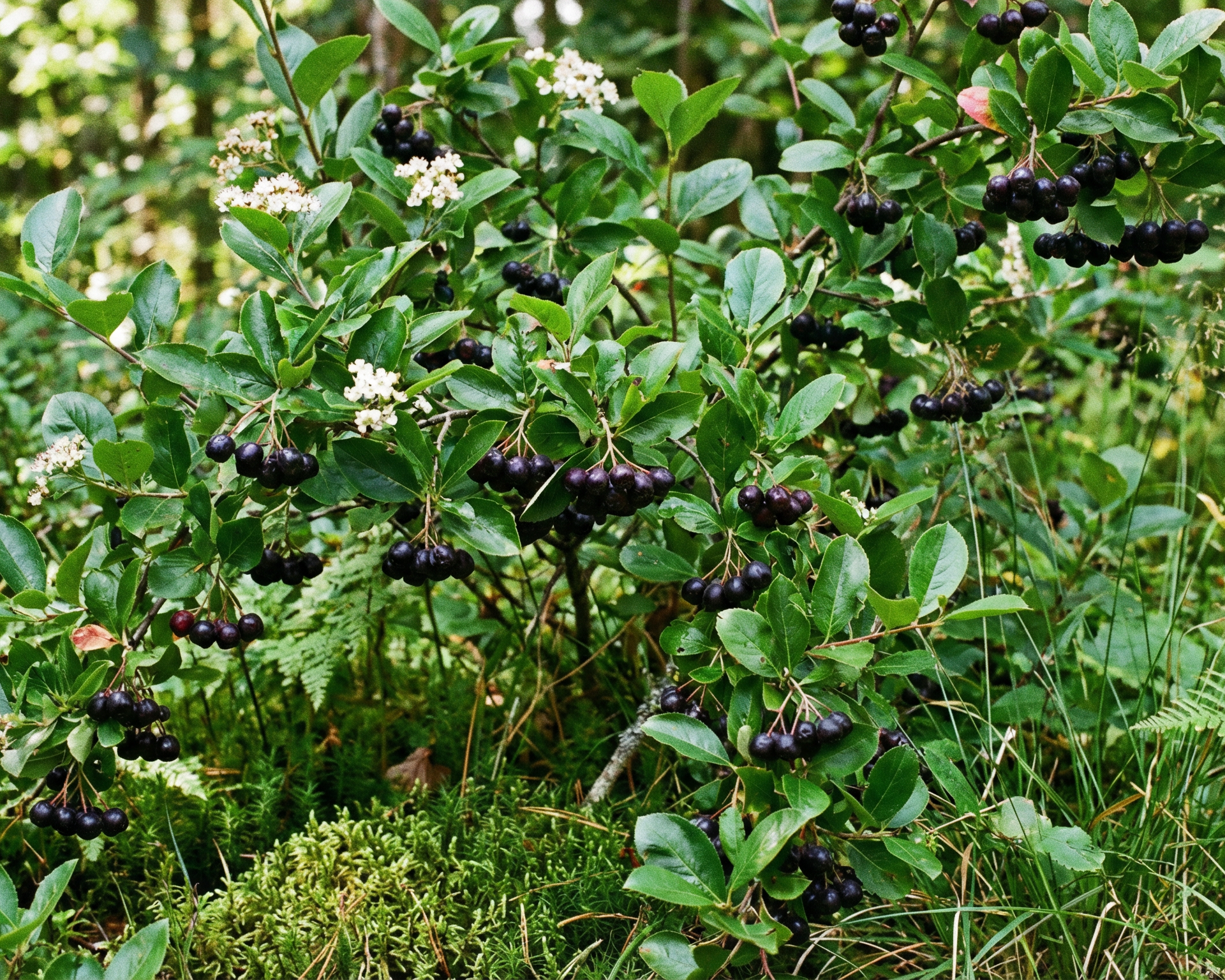
Aronia spp.
Aronia, commonly known as chokeberry, is a genus of deciduous shrubs native to eastern North America. These resilient plants are typically found in wet woods and swamps and are increasingly popular in gardens and for commercial fruit production. Read more
33 nurseries · 101 matching options
On siteAiken, SC
1option
Listed as “Aronia arbutifolia 'Brilliantissima'”
Call for pricing
Catalog checked Nov 15, 2026. Confirm availability before visiting.
Showing 33 to 33 of 33 nurseries
Aronia, commonly known as chokeberry, is a genus of deciduous shrubs native to eastern North America. These resilient plants are typically found in wet woods and swamps and are increasingly popular in gardens and for commercial fruit production. The name "chokeberry" alludes to the astringent, sharp taste of the raw berries, which can cause a dry, puckering sensation in the mouth. Despite their tartness, chokeberries are highly valued for their nutritional and ornamental qualities.
The shrubs are characterized by their clusters of white, five-petaled flowers that bloom in the spring, followed by dark, glossy leaves. In the autumn, the foliage turns a brilliant red, adding significant ornamental value to landscapes. The fruit, which ripens in late summer and early fall, can be red, purple, or black, depending on the species. Black chokeberry (Aronia melanocarpa) is the most common and is often cultivated for its fruit.
Chokeberries are considered a "superfruit" due to their exceptionally high levels of antioxidants, particularly anthocyanins. These compounds are responsible for the dark color of the berries and are linked to various health benefits, including improved cardiovascular health, reduced inflammation, and a strengthened immune system. The berries are also a good source of vitamin C and fiber. While not typically eaten raw, they are used to make juices, jams, jellies, syrups, and wine. In permaculture, Aronia is valued for its hardiness, adaptability to various soil types, and its ability to attract pollinators and other beneficial insects.