Cornell Farm
Portland, OR
2 options
Call for pricing
Catalog checked Oct 4, 2026. Confirm availability before visiting.
Coffea spp.
10 nurseries listed
10 nurseries · 26 matching options
Portland, OR
2 options
Call for pricing
Catalog checked Oct 4, 2026. Confirm availability before visiting.
Miami, FL
5 options
From $32.99
Catalog checked Oct 1, 2026. Confirm availability before visiting.
Homestead, FL
3 options
From $34.95
Catalog checked Oct 1, 2026. Confirm availability before visiting.
Loxahatchee, FL
4 options
From $25.00
Catalog checked Oct 1, 2026. Confirm availability before visiting.
Kent, WA
2 options
Call for pricing
Catalog checked Oct 4, 2026. Confirm availability before visiting.
Miami, FL
1 option
From $35.00
Catalog checked Oct 1, 2026. Confirm availability before visiting.
Mililani, HI
1 option
Call for pricing
Catalog checked Oct 4, 2026. Confirm availability before visiting.
Ojai, CA
3 options
Call for pricing
Catalog checked Oct 1, 2026. Confirm availability before visiting.
Showing 1–8 of 10 nurseries
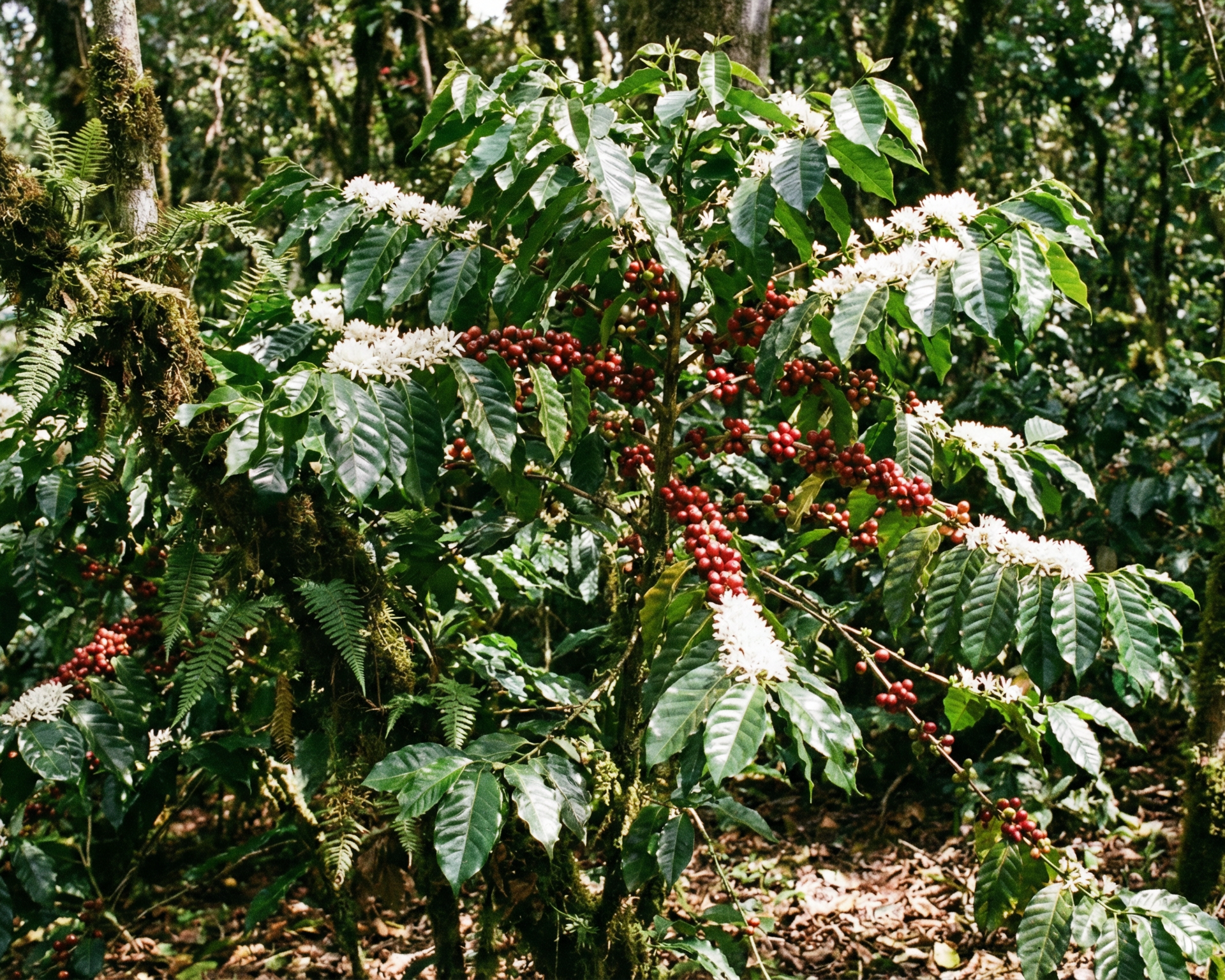
Load more nurseriesThe genus Coffea belongs to the family Rubiaceae and encompasses about 125 species of flowering plants, most of which are native to tropical Africa. These plants are typically evergreen shrubs or small trees that thrive in the understory of tropical forests. The genus is of immense economic importance as the primary source of coffee, one of the most widely consumed beverages globally. The two most significant species in terms of production are Coffea arabica, commonly known as Arabica, and Coffea canephora, known as Robusta. Coffea plants are characterized by their glossy, dark green, elliptical leaves that grow opposite each other along the stems. They produce fragrant, white or pinkish flowers that bloom for only a few days. The fruit, often called a "coffee cherry," is a drupe that turns a bright red or purple when ripe. Inside each cherry are typically two seeds, the "coffee beans," which are the part of the plant roasted and ground to make coffee. The caffeine present in the beans, as well as in the leaves and fruit, acts as a natural defense mechanism against pests and herbivores. The primary use of the Coffea genus is the production of coffee beans. Coffea arabica accounts for the majority of global coffee production, estimated at 60-80%, and is prized for its aromatic and flavorful beans with a milder taste. Coffea canephora, or Robusta, is a hardier plant that can be grown in a wider range of climates and has a higher caffeine content, making up about 20-40% of the world's coffee production. Beyond the beans, the fruit pulp can be used to make coffee cherry tea, and the leaves can also be brewed into a tea. The cultivation and trade of coffee are cornerstones of the economies of many countries in Latin America, Africa, and Asia.
Explore the complete plant collection, including varieties with no nursery listings yet.