 On site
Eco Blossom Nursery
Fort Worth, TX
2options
Listed as “Erythrina herbacea (Coralbean)”
Variety not confirmed1 galOne of 2 nursery listingsCall for pricing
Catalog checked Nov 15, 2026. Confirm availability before visiting.
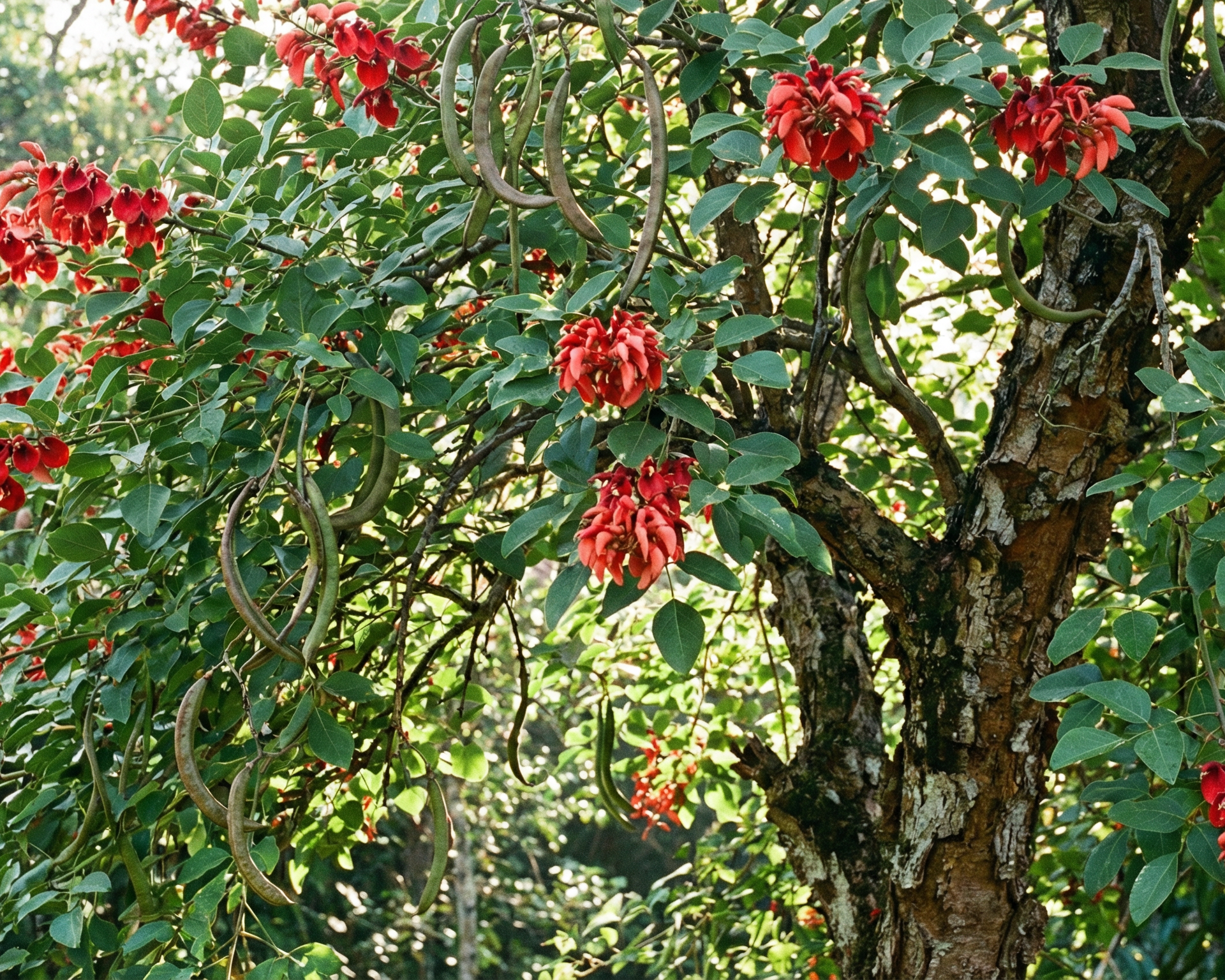
Erythrina spp.
Daenikera corallina, commonly known as the Coral Tree, is a unique and fascinating parasitic plant belonging to the Santalaceae family, which also includes the well-known sandalwoods. This genus is monotypic, meaning it contains only this single species. Read more
6 nurseries · 11 matching options
On siteFort Worth, TX
2options
Listed as “Erythrina herbacea (Coralbean)”
Call for pricing
Catalog checked Nov 15, 2026. Confirm availability before visiting.
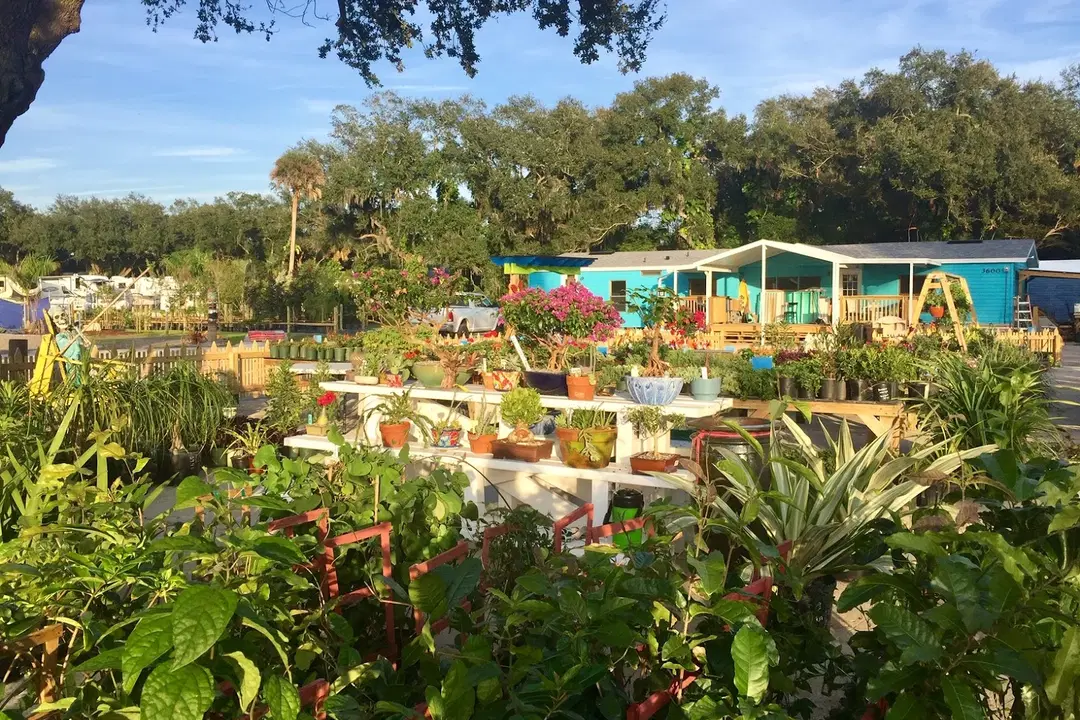 On site
Cocoa, FL
1option
Listed as “Coral Bean N (Erythrina herbacea)”
$16.95
Catalog checked Nov 15, 2026. Confirm availability before visiting.
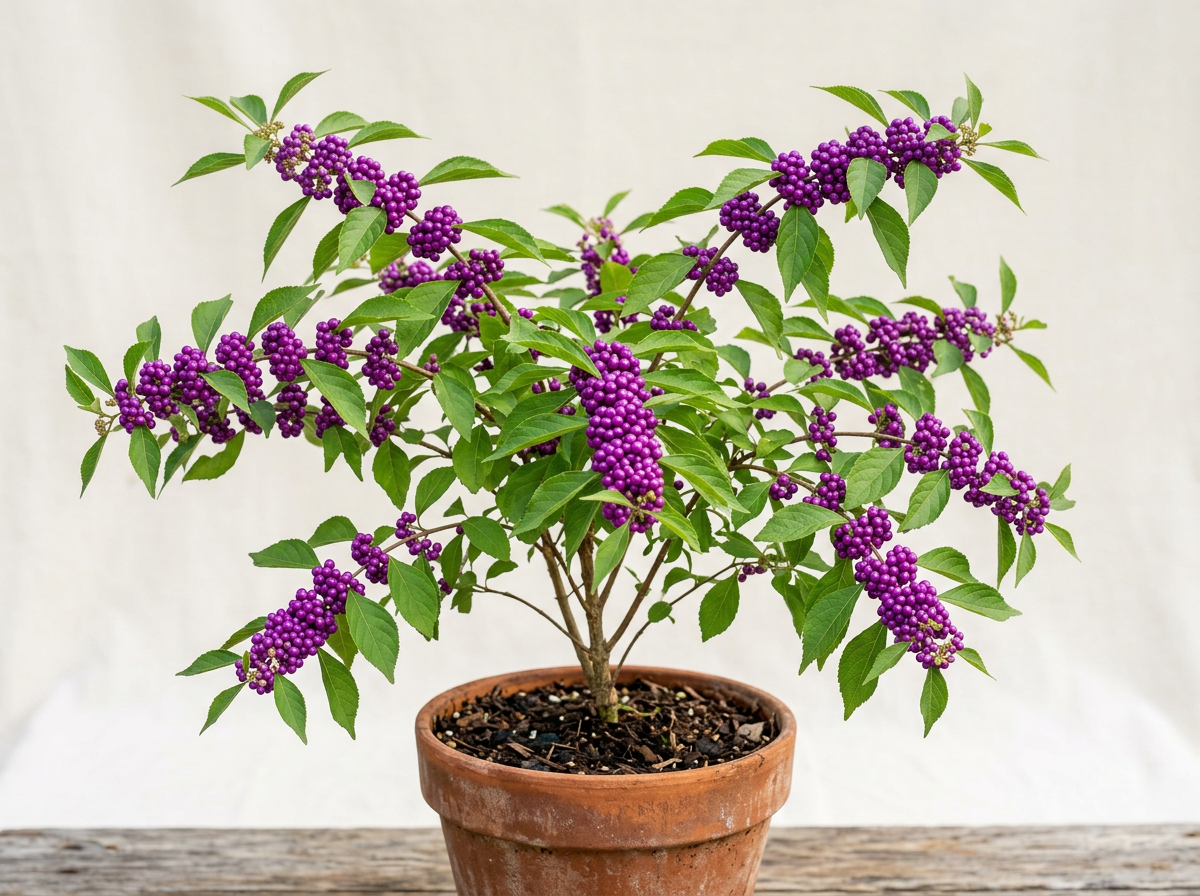 Plants they list
Groveland, FL
1option
Listed as “Coral Bean / Erythrina herbacea*”
Call for pricing
Catalog checked Oct 2, 2026. Confirm availability before visiting.
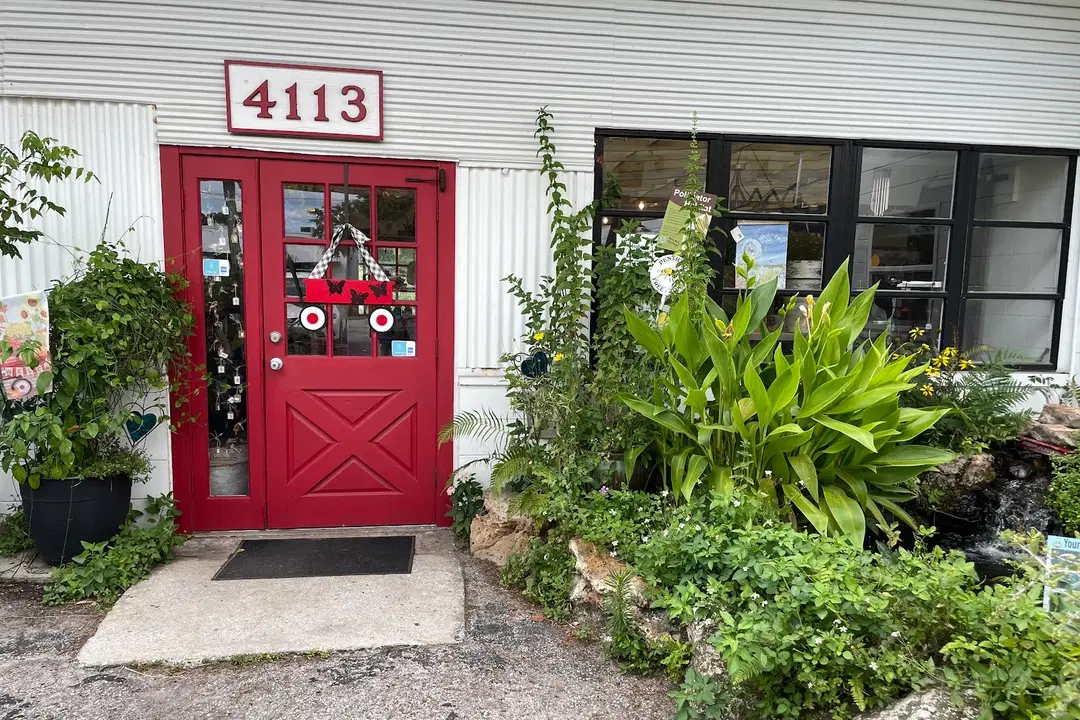 On site
Tampa, FL
3options
Listed as “Coral Bean (Erythrina herbacea)”
From $7.00
Catalog checked Nov 15, 2026. Confirm availability before visiting.
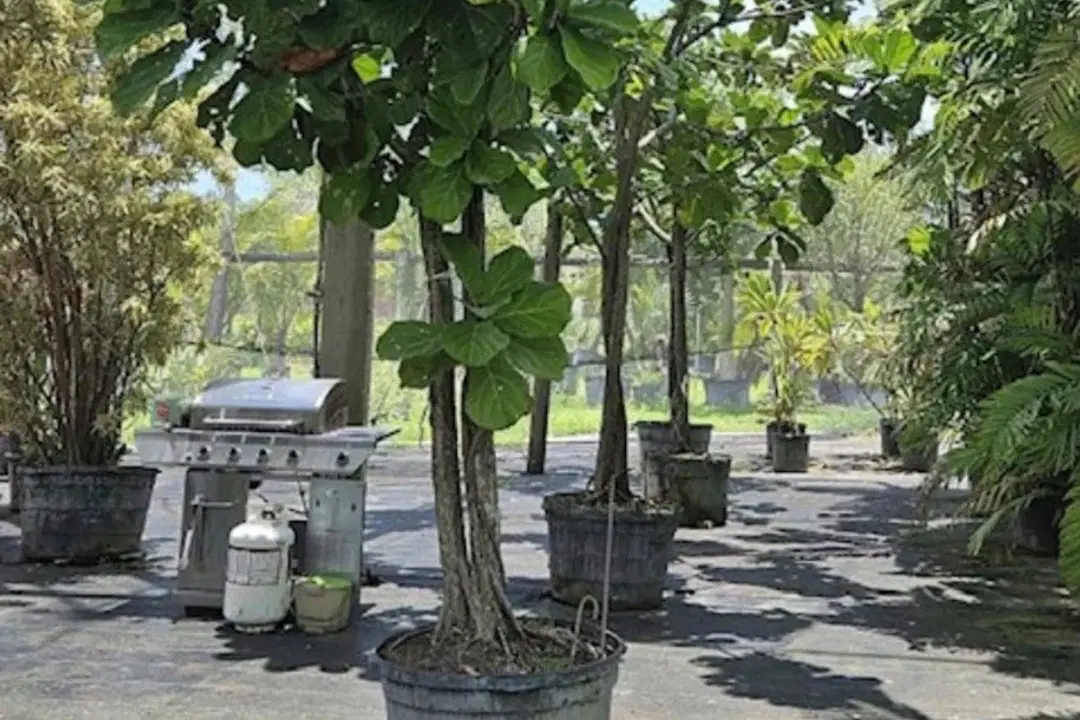 On site
Miami, FL
2options
Listed as “Coralbean, Cherokee bean - Erythrina herbacea”
From $18.75
Catalog checked Nov 15, 2026. Confirm availability before visiting.
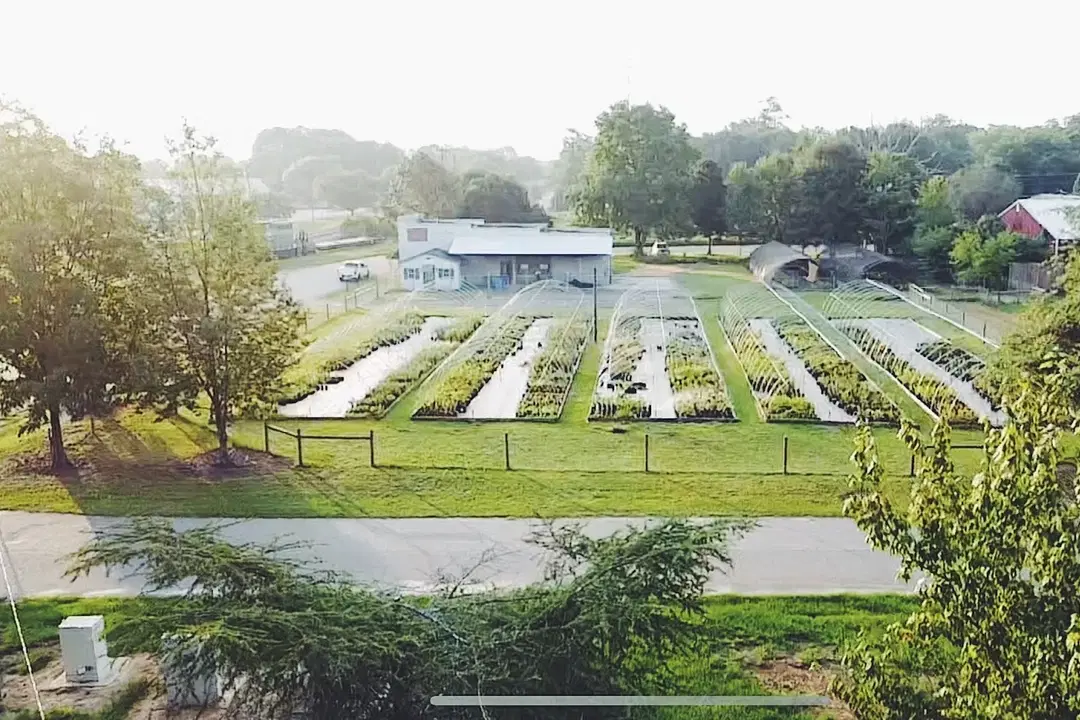 On site
Aiken, SC
2options
Listed as “Erythrina herbacea (Coral Bean)”
Call for pricing
Catalog checked Nov 15, 2026. Confirm availability before visiting.
Showing 1 to 6 of 6 nurseries
Daenikera corallina, commonly known as the Coral Tree, is a unique and fascinating parasitic plant belonging to the Santalaceae family, which also includes the well-known sandalwoods. This genus is monotypic, meaning it contains only this single species. The Coral Tree is endemic to the island of New Caledonia, a global biodiversity hotspot located in the southwest Pacific Ocean. Its specific epithet, corallina, alludes to its striking resemblance to coral, a characteristic that makes it a truly remarkable member of the plant kingdom.
The most distinctive feature of the Coral Tree is its physical appearance. It possesses a lignified, or woody, and stiff stalk from which emanate numerous stick-like branches, creating a silhouette reminiscent of marine coral. This structure is further accentuated by the plant's overall purple coloration, which extends to its small flower buds. As a holoparasitic plant, Daenikera corallina is entirely dependent on a host plant for its sustenance. It has been observed to parasitize Myodocarpus fraxinifolius, another plant species endemic to New Caledonia. This complete reliance on a host for nutrients is a key aspect of its biology and life cycle.
The Coral Tree's habitat is as unique as the plant itself. It is found in the remote valleys of the Dumbéa river system in the southern part of New Caledonia. This region is characterized by its serpentine soils, which are rich in heavy metals and present a challenging environment for most plant life. The Coral Tree's ability to thrive in this seasonally dry tropical biome, coupled with its parasitic lifestyle, showcases its remarkable evolutionary adaptations. Due to its rarity and restricted distribution, the Coral Tree is of significant interest to botanists and conservationists alike, highlighting the importance of preserving the unique ecosystems of New Caledonia.