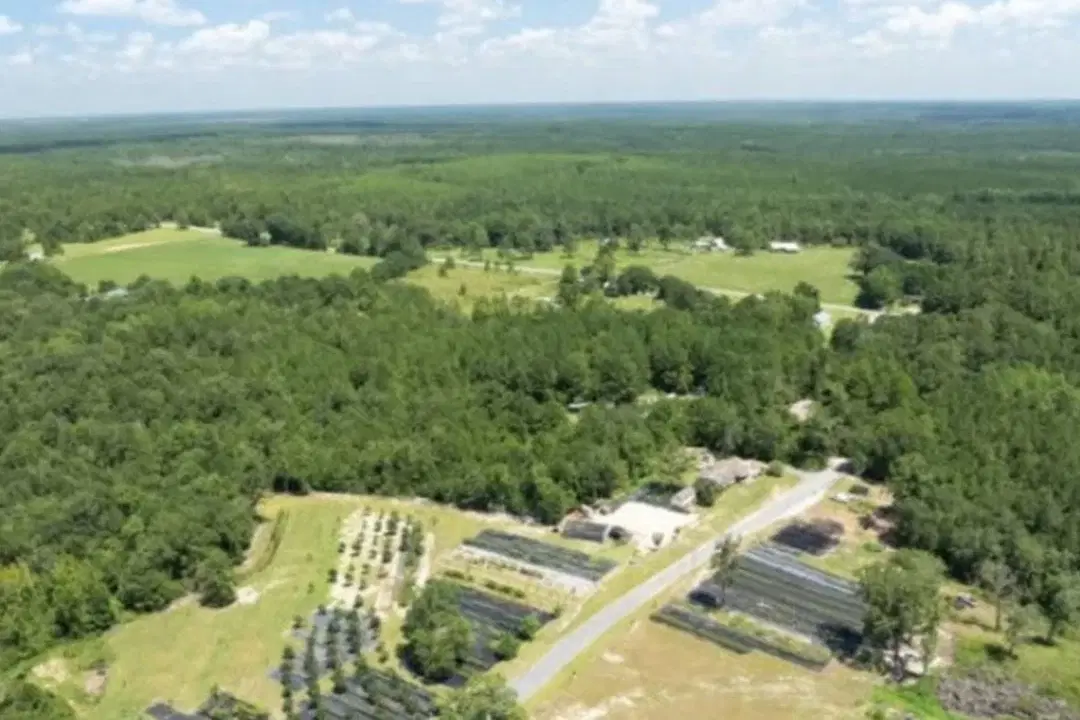
 On site
Advanced Nursery Growers
Defuniak Springs, FL
35options
Listed as “CRAPE MYRTLE Ebony Flame EFL”
Variety not confirmed4 inLowest priced listingFrom $5.00
Catalog checked Nov 15, 2026. Confirm availability before visiting.
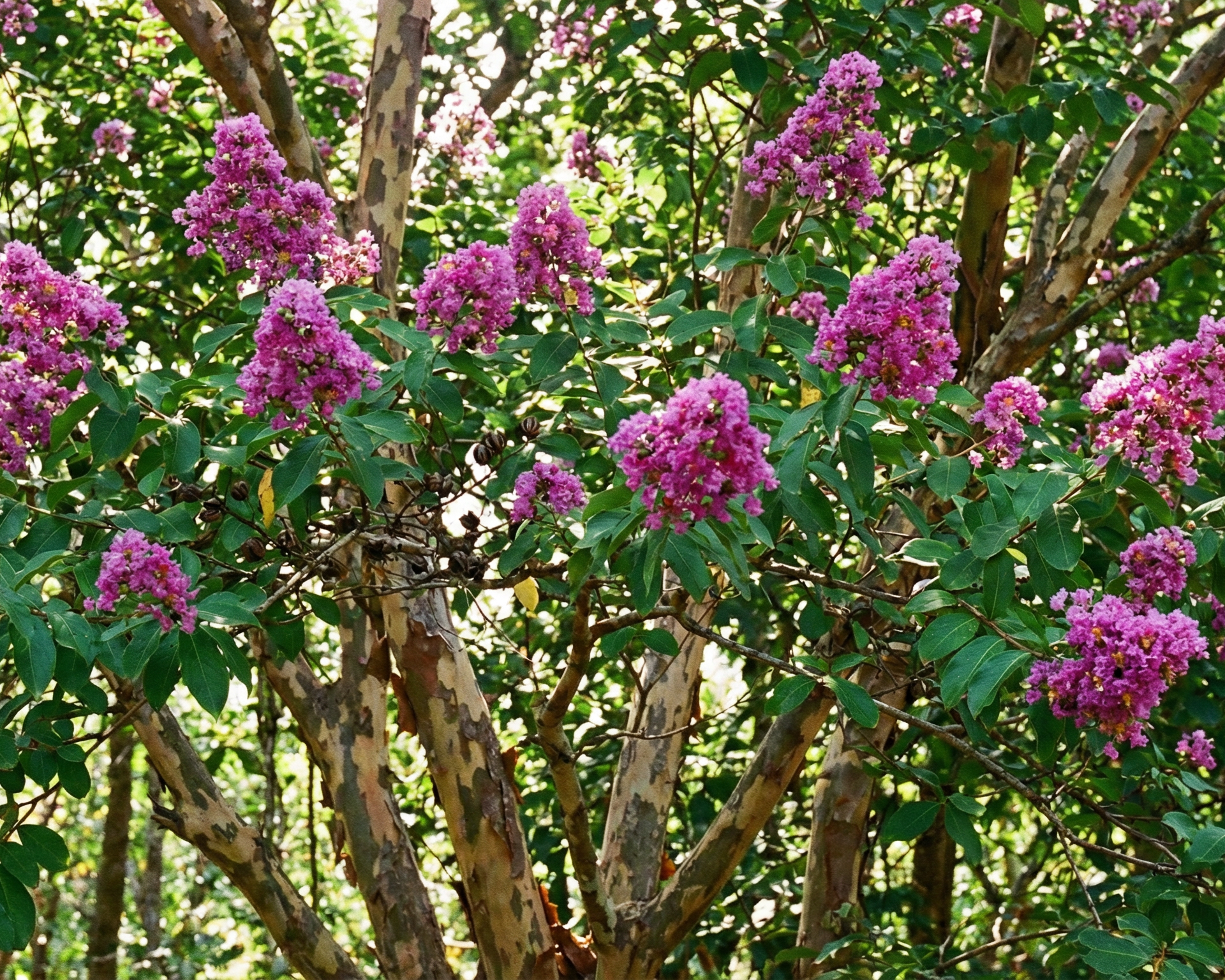
Lagerstroemia, commonly known as Crape Myrtle, is a genus of around 50 species of deciduous and evergreen trees and shrubs native to the Indian subcontinent, Southeast Asia, northern Australia, and other parts of Oceania. Read more
8 nurseries · 330 matching options
Choose a city or ZIP to find nearby growers. Showing nationwide listings until you choose an area.
On siteDefuniak Springs, FL
35options
Listed as “CRAPE MYRTLE Ebony Flame EFL”
From $5.00
Catalog checked Nov 15, 2026. Confirm availability before visiting.
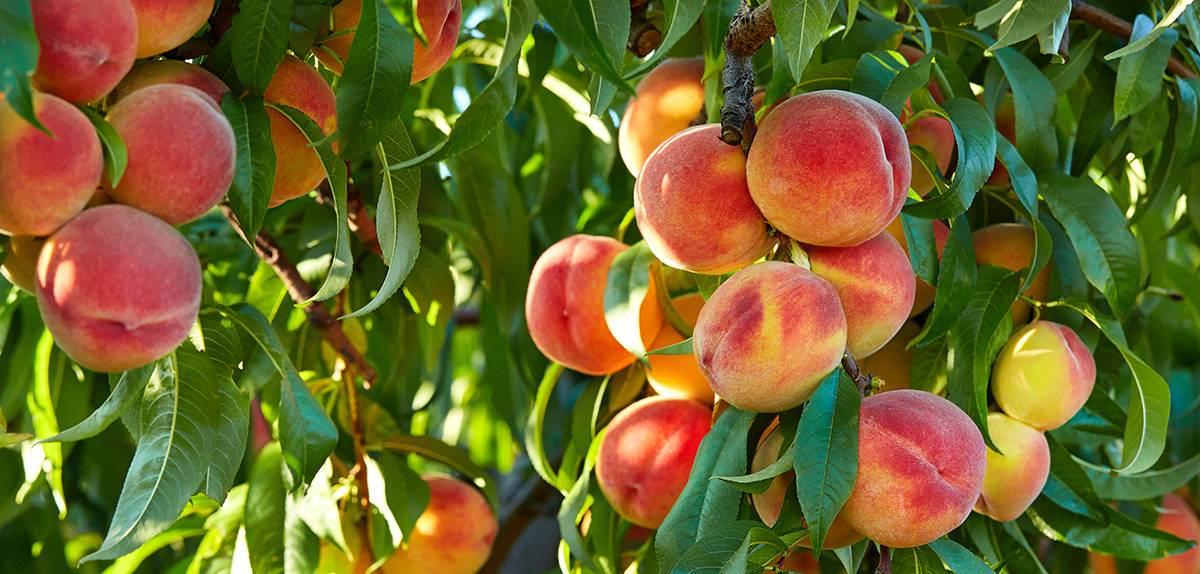
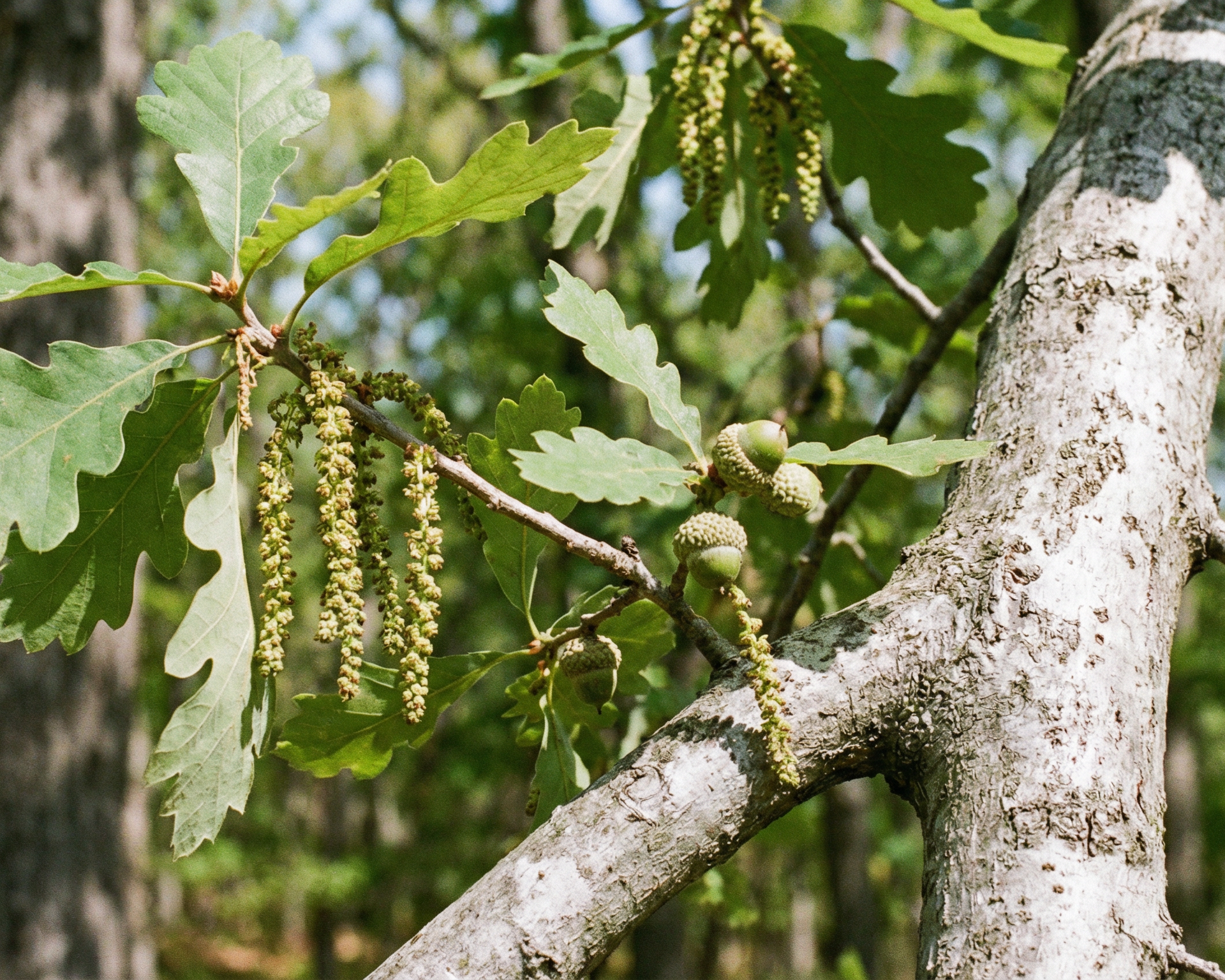 Plants they list
Alachua, FL
2options
Listed as “Crape Myrtle Tuscarora”
From $32.95
Catalog checked Nov 15, 2026. Confirm availability before visiting.
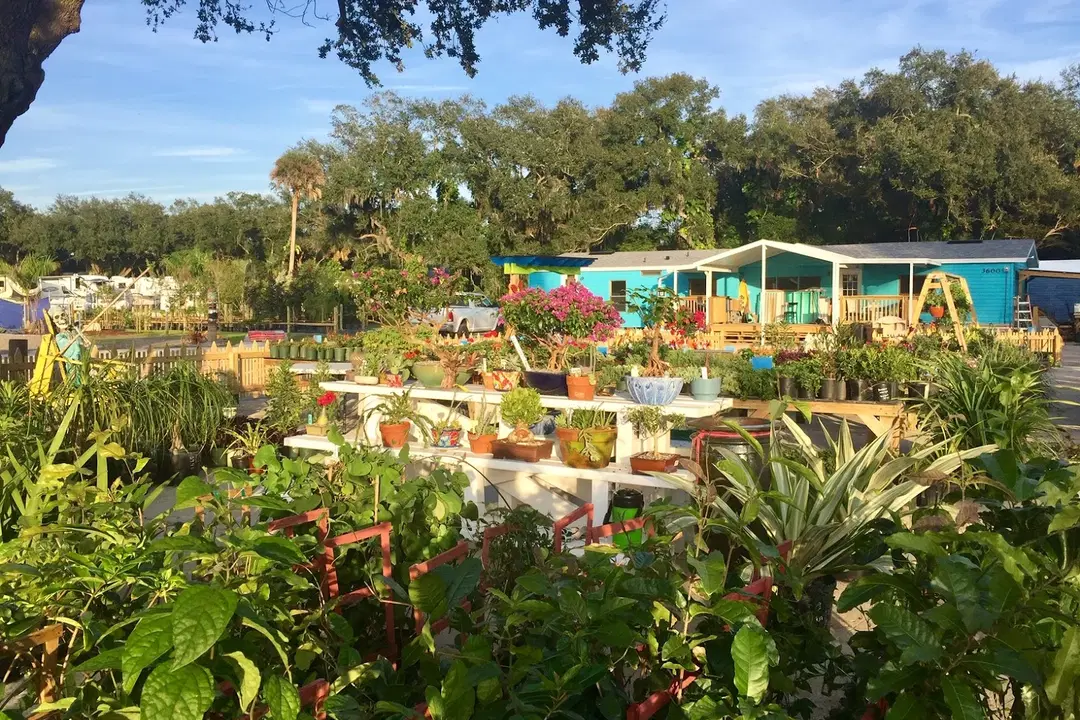 On site
Cocoa, FL
65options
Listed as “Crape Myrtle 3G”
From $24.95
Catalog checked Nov 15, 2026. Confirm availability before visiting.
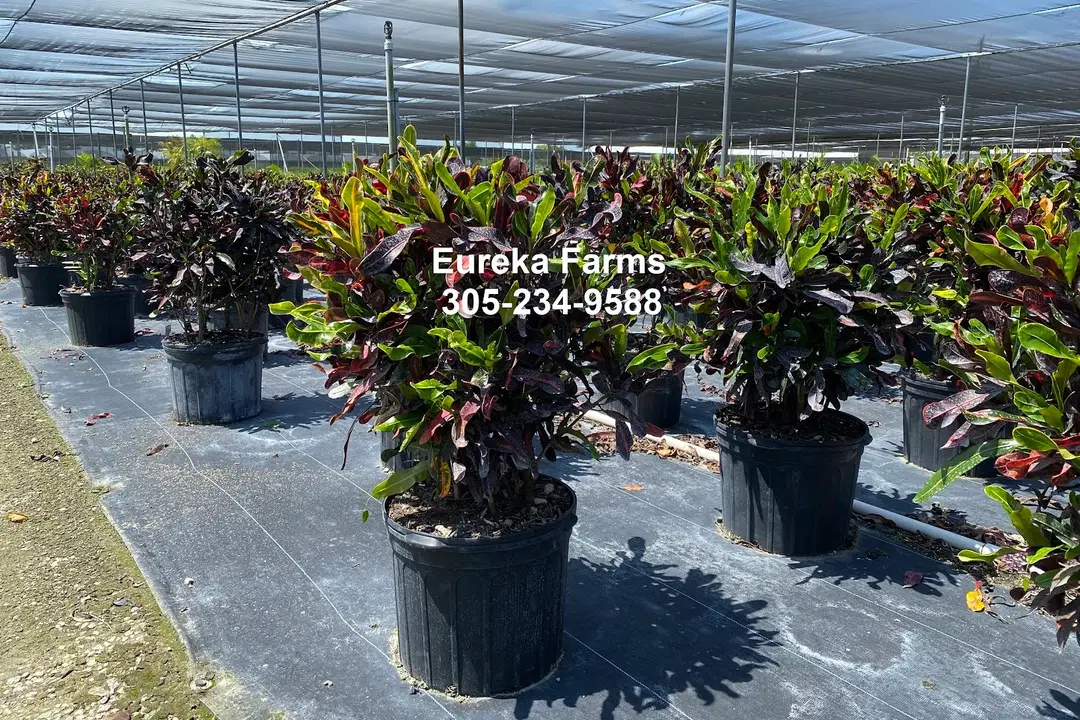 On site
Miami, FL
53options
Listed as “Crape Myrtle Tuscarora Tree Bright Pink”
From $29.99
Catalog checked Nov 15, 2026. Confirm availability before visiting.
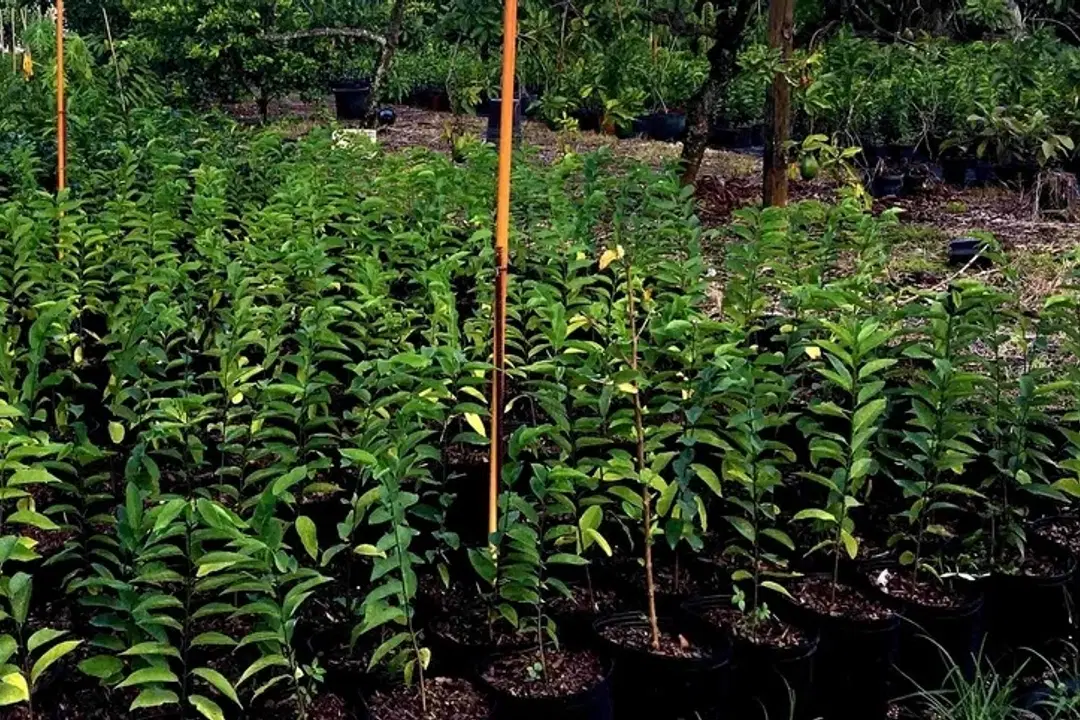 On site
Homestead, FL
1option
Listed as “Dynamite Crape Myrtle Plant”
$41.97
Catalog checked Nov 15, 2026. Confirm availability before visiting.
 Plants they list
Crawfordville, FL
12options
Listed as “Miss Frances Crepe Myrtle Tree”
From $19.99
Catalog checked Nov 15, 2026. Confirm availability before visiting.
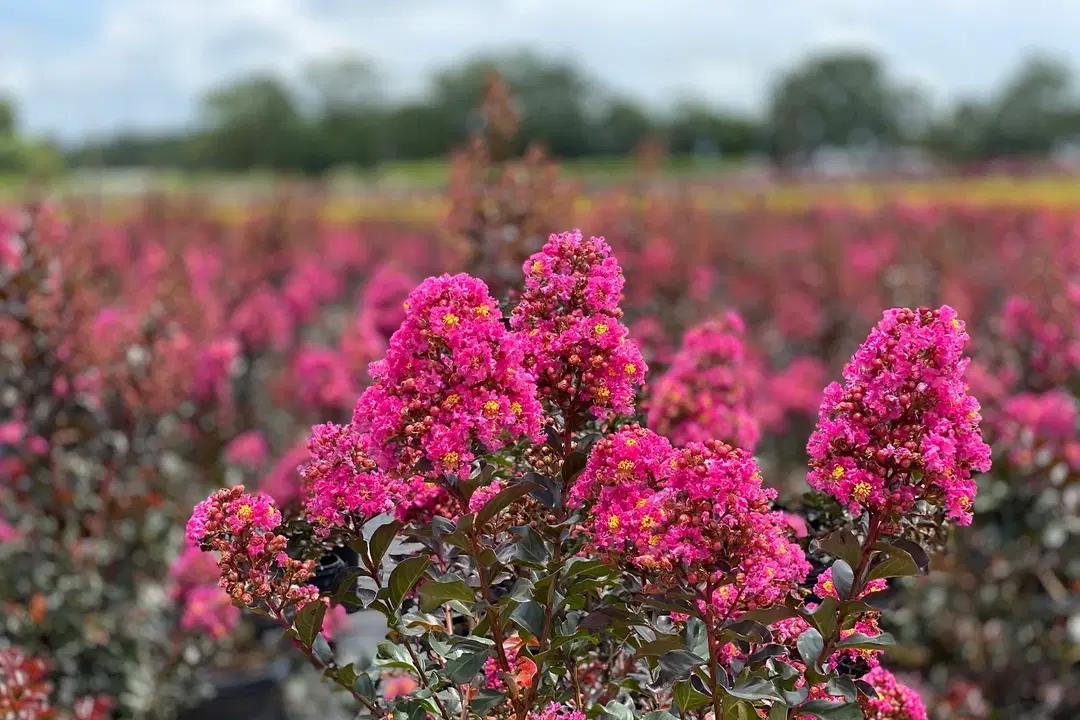 On site
Monticello, FL
142options
Listed as “Crape Myrtle - First Editions® Coral Magic”
From $34.95
Catalog checked Nov 15, 2026. Confirm availability before visiting.
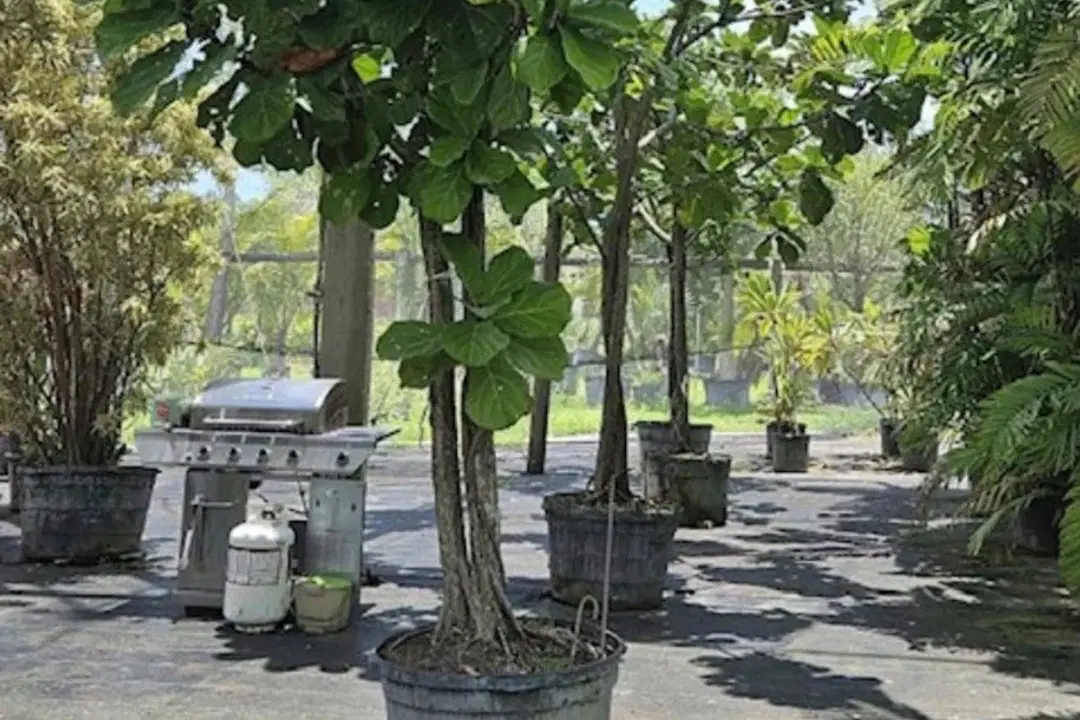 On site
Miami, FL
20options
Listed as “Queen Crape Myrtle, Pride of India - Lagerstroemia speciosa”
From $162.50
Catalog checked Nov 15, 2026. Confirm availability before visiting.
Showing 1 to 8 of 8 nurseries
Lagerstroemia, commonly known as Crape Myrtle, is a genus of around 50 species of deciduous and evergreen trees and shrubs native to the Indian subcontinent, Southeast Asia, northern Australia, and other parts of Oceania. It belongs to the Lythraceae family, also known as the loosestrife family. Crape Myrtles are widely cultivated in warmer climates around the world as ornamental plants, celebrated for their vibrant and long-lasting flowers.
Crape Myrtles are distinguished by their striking flowers, which bloom in summer and autumn. These flowers are clustered in large panicles and have a unique, crinkled texture resembling crepe paper, which gives the plant its common name. The color palette is extensive, ranging from deep purples and reds to pinks and whites. Another key characteristic is the bark, which exfoliates throughout the year, creating a mottled, sinewy appearance on the trunk and branches. The leaves are typically arranged in opposite pairs, are simple and entire, and often provide attractive autumn color in temperate species. The size of Crape Myrtles can vary significantly, from dwarf shrubs under one foot to trees exceeding 100 feet in height.
Crape Myrtles are highly valued in landscaping for their versatility and multi-season interest. They are used as specimen trees, in group plantings, as screens or hedges, and in containers. Their extended blooming period, often from July to September, provides a splash of color when many other plants have finished flowering. Beyond their ornamental use, the timber of some species has been used for manufacturing bridges, furniture, and railway sleepers, although the wood quality can be low in some cases.
For successful cultivation, Crape Myrtles should be grown in full sun, which promotes the most prolific flowering. They thrive in average, medium moisture, well-drained soils and can tolerate clay soils if drainage is adequate. Once established, they are relatively drought-tolerant. These plants are best suited for USDA hardiness zones 7-9. In colder climates (Zones 5-6), the top growth may die back in winter, but the roots can survive and send up new shoots in the spring. While generally robust, Crape Myrtles can be susceptible to powdery mildew and aphids, though many resistant cultivars are available.