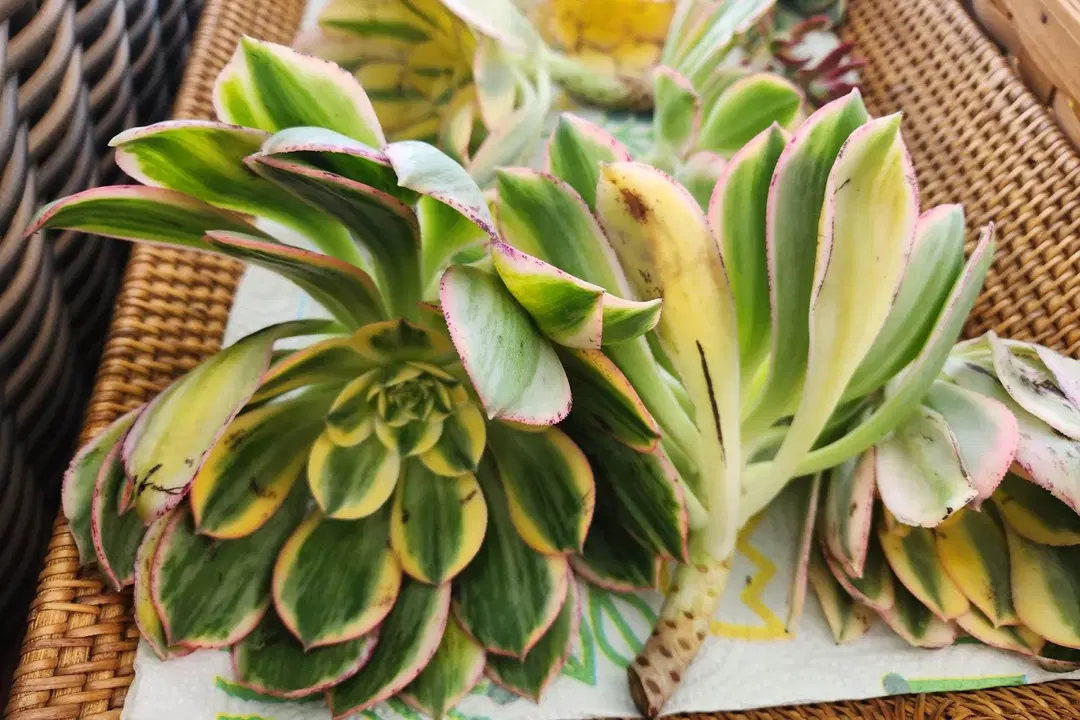
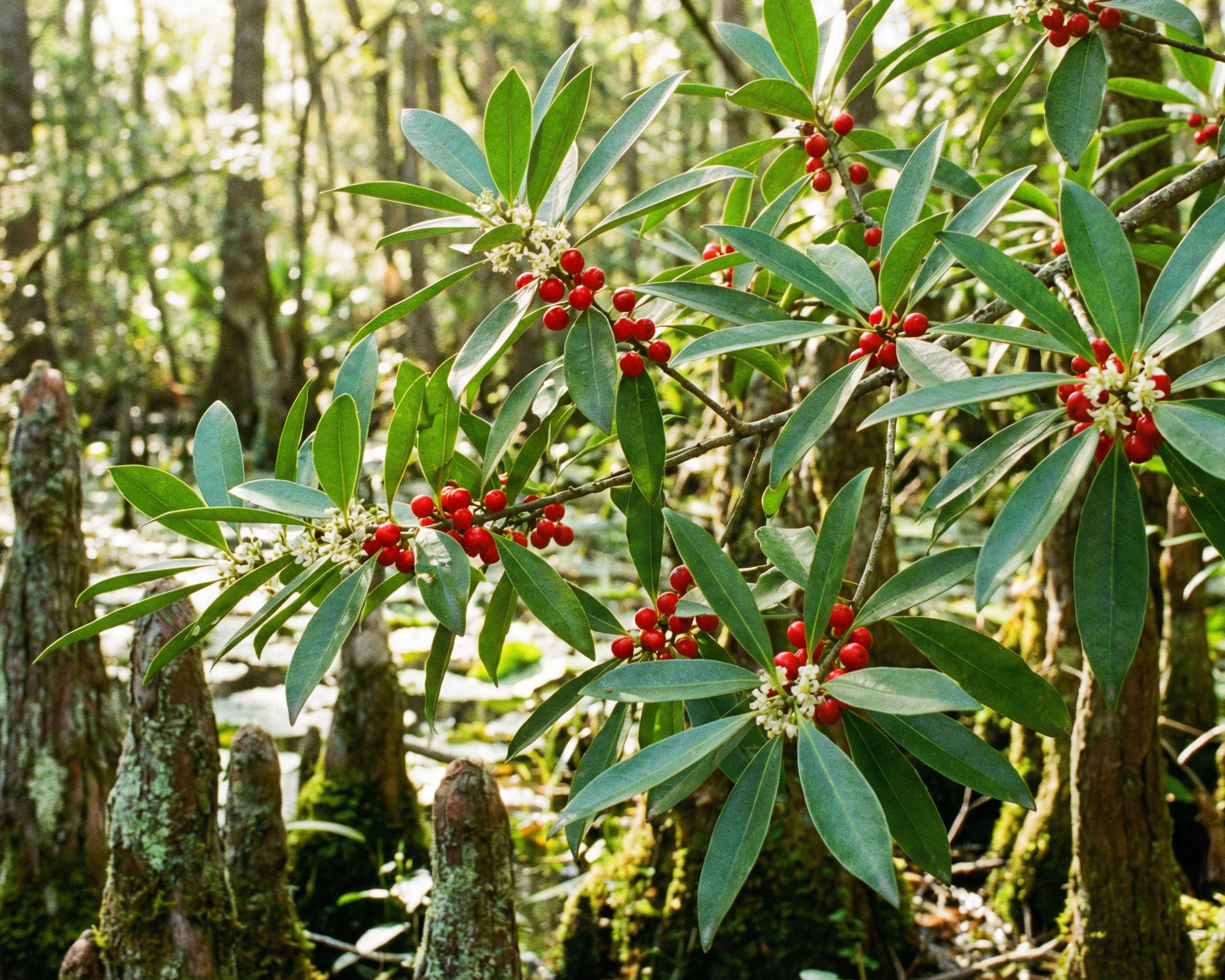
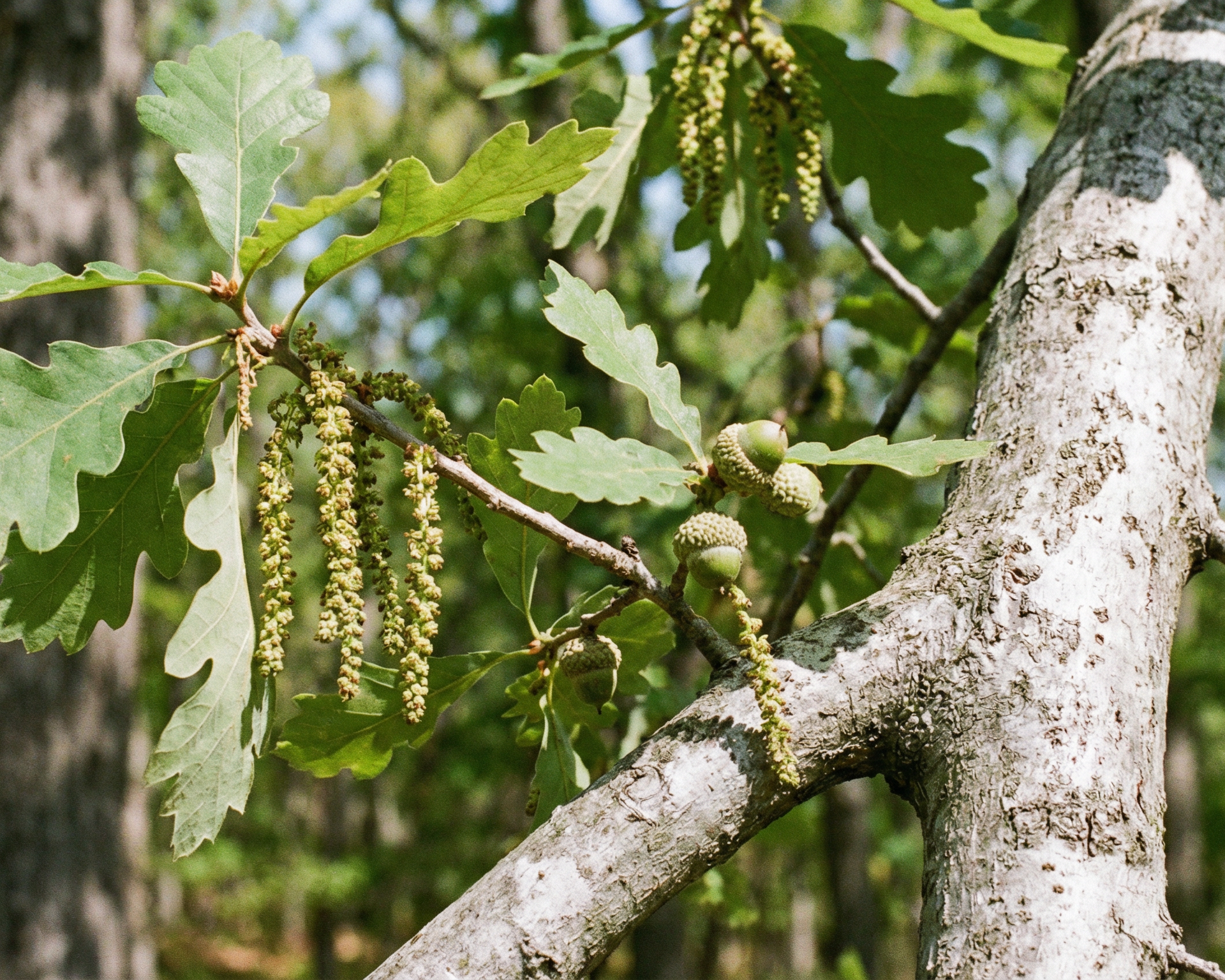
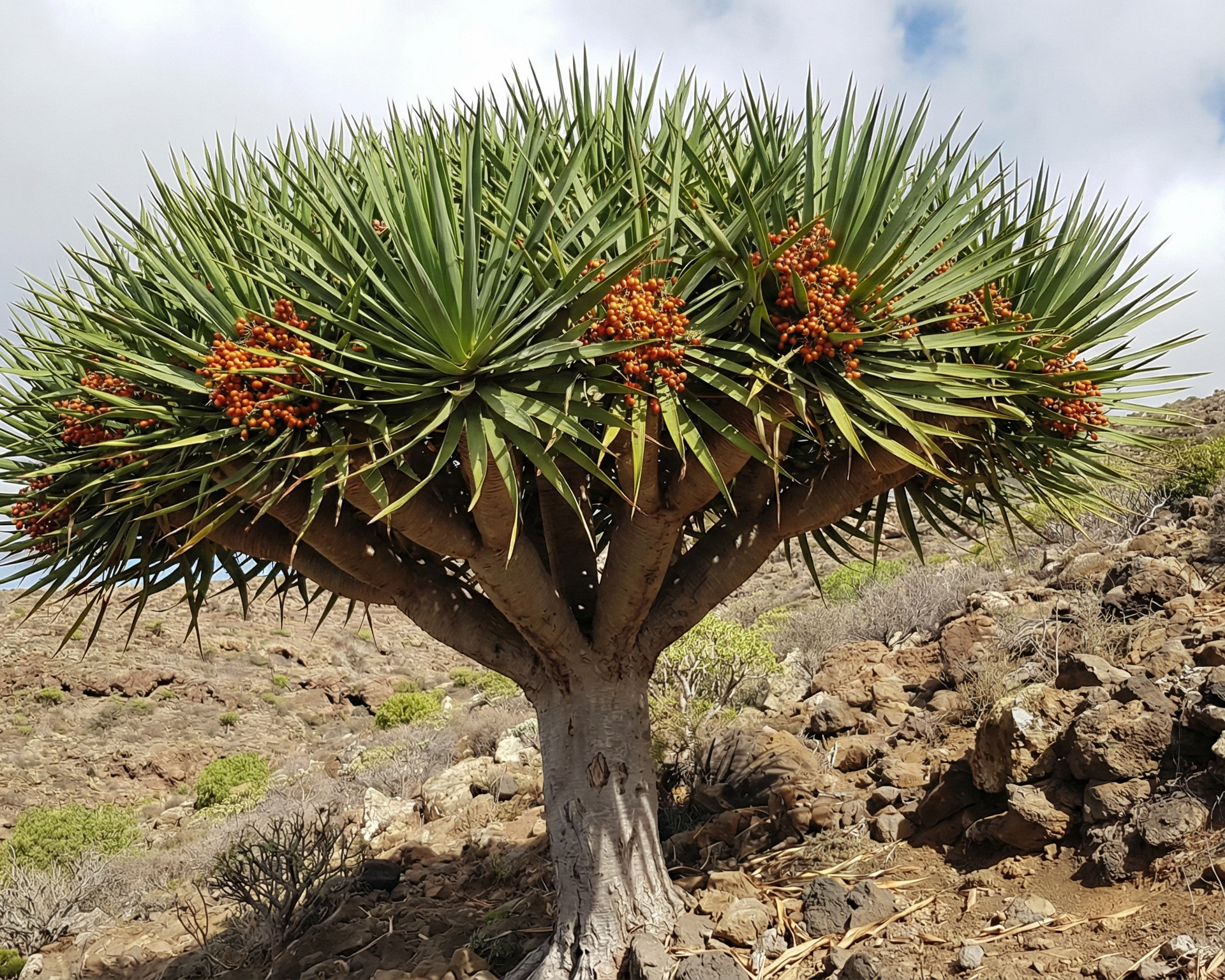
Dracaena is a diverse genus of over 200 species of trees and succulent shrubs, belonging to the Asparagaceae family. The name is derived from the ancient Greek word "drakaina," meaning "female dragon," a reference to the red, blood-like resin of the dragon tree, Dracaena draco. Native to Africa, Southern Asia, and Northern Australia, with a few species in Central America, this genus is widely recognized for its many popular houseplants. The genus has recently been expanded to include the species formerly classified under Sansevieria, such as the common snake plant, which genetic evidence has shown to be a lineage within Dracaena.
Members of the Dracaena genus exhibit two main growth forms. The first is the arborescent, or tree-like, form, which includes species like Dracaena fragrans (the corn plant) and Dracaena marginata (the Madagascar dragon tree). These plants have woody, cane-like stems that can grow quite tall and produce clusters of strap-like leaves. The second form is the rhizomatous type, which includes the former Sansevieria species. These plants have underground rhizomes from which stiff, upright, and often variegated leaves emerge, such as those of the well-known snake plant (Dracaena trifasciata).
Dracaena species are highly valued for their ornamental qualities and are among the most common and easy-to-care-for houseplants. Their attractive foliage, which can be green, red, yellow, or variegated, and their tolerance for low-light conditions make them a favorite for indoor environments. Some species have cultural significance, such as Dracaena sanderiana, which is often marketed as "lucky bamboo." Historically, the red resin from Dracaena draco and Dracaena cinnabari, known as "dragon's blood," was used as a dye and in medicine.
Most Dracaena species thrive in bright, indirect sunlight and prefer a well-drained, slightly acidic potting mix. It is best to allow the soil to dry out partially between waterings, as they are susceptible to root rot in overly moist conditions. They are sensitive to fluoride and salts often found in tap water, which can cause browning of the leaf tips. Using filtered or rainwater is recommended. These plants prefer warm temperatures and moderate to high humidity. While they are generally low-maintenance, it is important to note that many species of Dracaena are toxic to cats and dogs if ingested.
 On site