Elderberry
Sambucus spp.
51 nurseries listed · 4 named varieties
Compare nurseries
51 nurseries · 204 matching options
50 locations on the map; 1 without mapped coordinates below. Select a marker or a nursery to compare.
Preparing the map…
Your location isn’t saved. Confirm availability and visiting hours with the nursery.
1 nursery without a mapped location
Green Isle Gardens
Groveland, FL
2 matching options
Call for pricing
View matching optionsCatalog checked Oct 2, 2026. Confirm the plant and visiting hours with the nursery.
About Elderberry
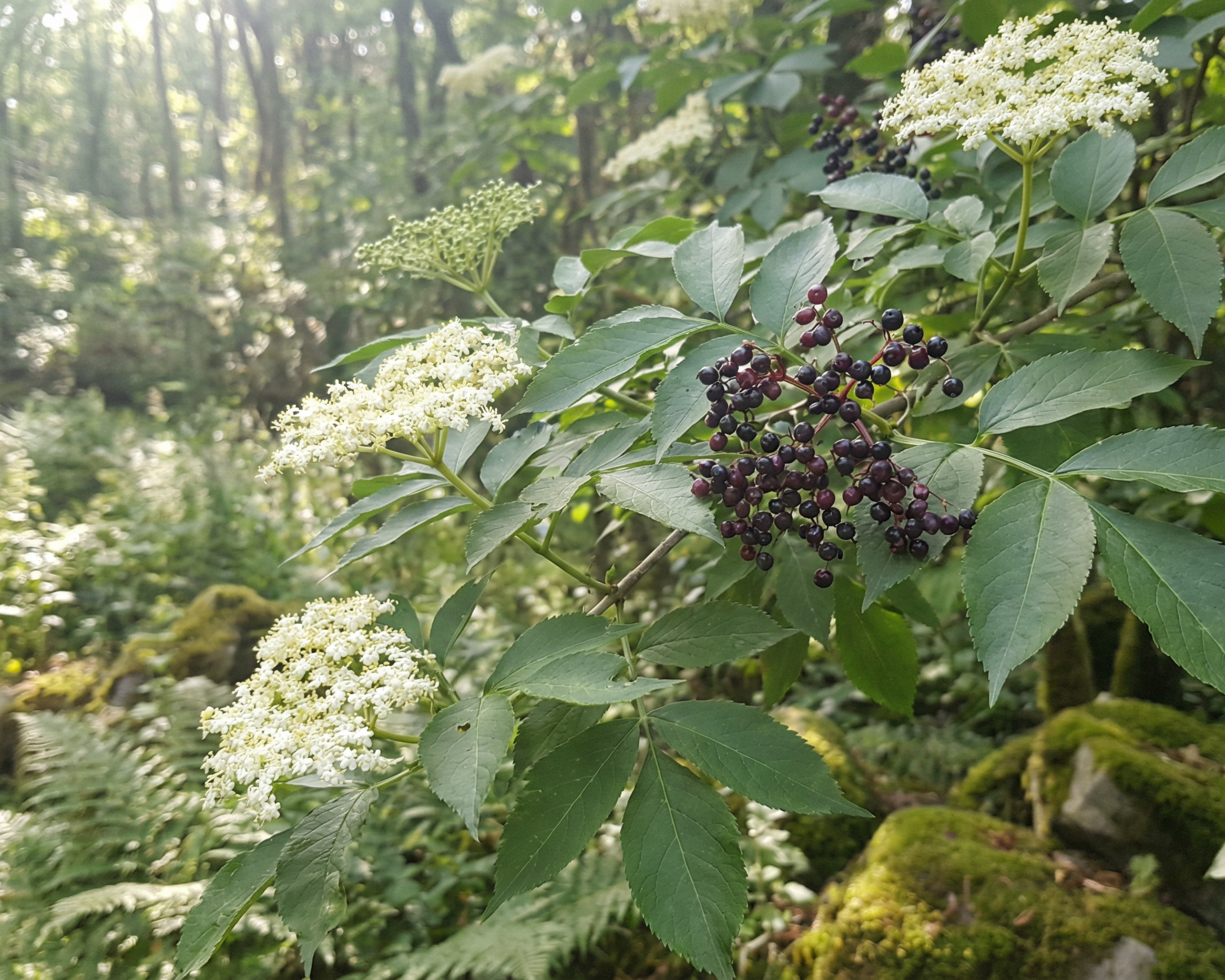
Elderberry (Sambucus) The genus Sambucus, commonly known as elder or elderberry, encompasses a group of 20 to 30 species of flowering plants belonging to the Adoxaceae family. These plants are widespread in temperate and subtropical regions of both the Northern and Southern Hemispheres, with a more significant presence in the north. Elderberries are typically fast-growing shrubs or small trees, though some herbaceous species exist. They are characterized by their pinnately compound leaves, large clusters of small, fragrant, white or cream-colored flowers, and the subsequent bunches of small, dark berries. Elderberry plants are notable for their distinctive physical traits. The leaves are arranged in opposite pairs and are composed of 5 to 9 serrated leaflets. In late spring or early summer, the plants produce large, flat-topped or rounded clusters of flowers, often referred to as elderflowers. These blossoms give way to drooping clusters of berries that ripen from green to a deep black, blue-black, or red. The berries are a food source for various birds and mammals, and the plants themselves provide habitat and nesting sites for wildlife. The different species, such as the American Elder (Sambucus canadensis) and the European Elder (Sambucus nigra), have various ornamental cultivars with different leaf colors and growth habits. The significance of the elderberry plant is multifaceted, spanning culinary, medicinal, and ornamental applications. The cooked berries are edible and are used to make a variety of food and drinks, including jams, jellies, pies, and wine. The flowers are also used to produce fragrant cordials, liqueurs, and teas. In traditional medicine, elderberry has been used for centuries to treat various ailments, although scientific evidence for its effectiveness is still emerging. It is crucial to note that while the cooked berries are safe for consumption, the raw berries, leaves, stems, and roots of most species contain cyanogenic glycosides, which are toxic and can cause illness if ingested. Due to their attractive foliage, flowers, and fruit, elderberries are also popular ornamental plants in gardens and landscapes.
Plant facts
- Sun
- Full Sun, Partial Sun, Partial Shade
- Water
- Regular, High, Likes Wet Feet
- USDA zones
- 3-9
- Lifecycle
- Perennial
Variety guides
Explore the complete plant collection, including varieties with no nursery listings yet.