Heron's Head Nursery LLC
San Francisco, CA
3 options
Call for pricing
Catalog checked Oct 4, 2026. Confirm availability before visiting.
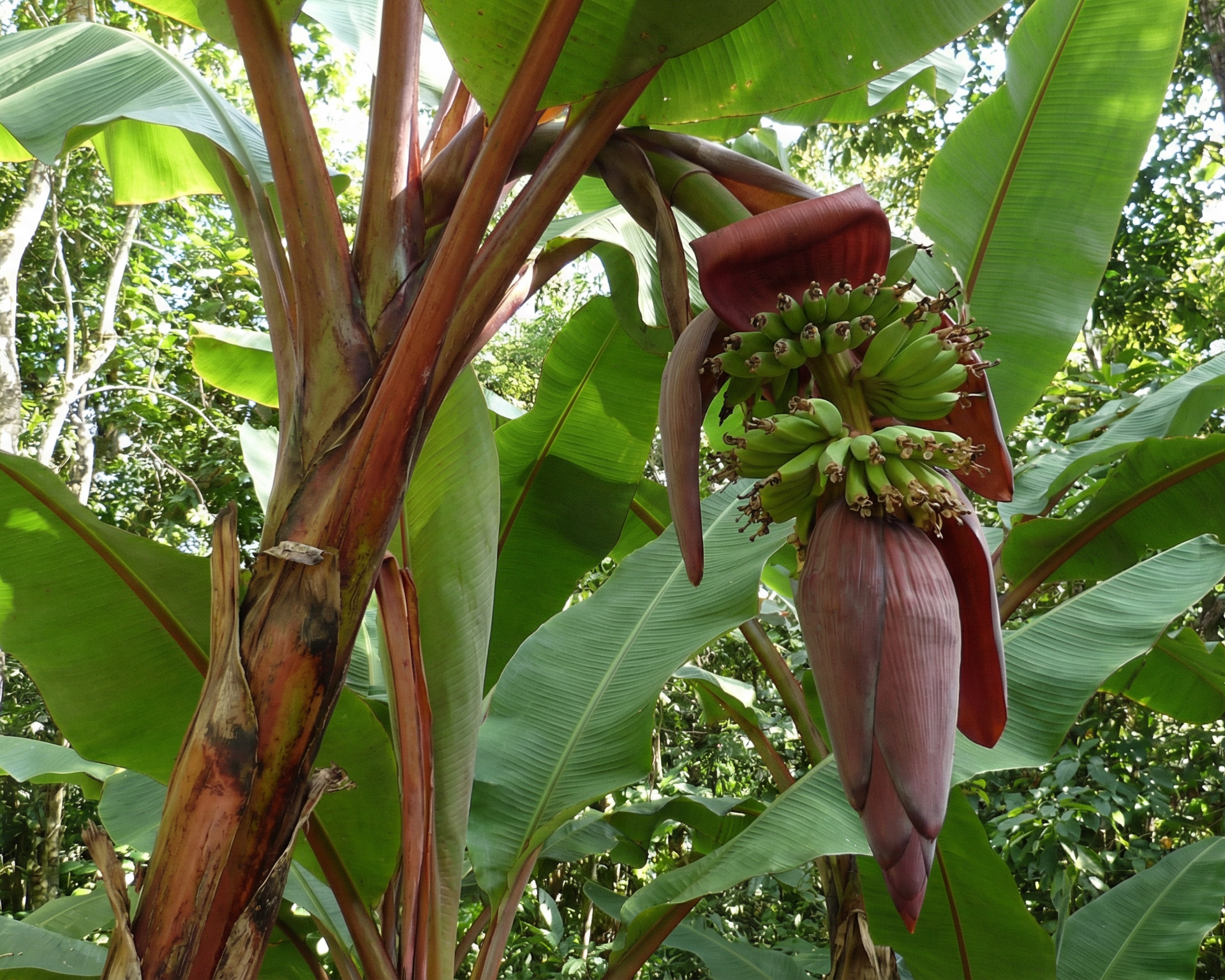
Ensete ventricosum
2 nurseries listed
2 nurseries · 5 matching options
San Francisco, CA
3 options
Call for pricing
Catalog checked Oct 4, 2026. Confirm availability before visiting.
Crawfordville, FL
2 options
From $39.99
Catalog checked Oct 1, 2026. Confirm availability before visiting.
Showing 1–2 of 2 nurseries
Ensete is a genus of flowering plants in the banana family, Musaceae, native to tropical regions of Africa and Asia. Though closely related to and resembling true bananas (genus Musa), plants in the Ensete genus are commonly known as false bananas or enset. The most well-known species is Ensete ventricosum, a staple food crop for millions in Ethiopia, where it is cultivated for its starchy pseudostem and corm. Unlike bananas, the fruits of Ensete are generally not eaten. Enset plants are large, herbaceous perennials characterized by their massive, paddle-shaped leaves that can reach up to 20 feet in length. These leaves grow from a central, trunk-like pseudostem, which is formed by the tightly overlapping leaf sheaths. Enset is monocarpic, meaning each individual pseudostem flowers only once, produces seeds, and then dies. The plants are fast-growing and can reach impressive heights of up to 40 feet in their native habitat, creating a dramatic, tropical effect in the landscape. The primary significance of enset lies in its role as a resilient food source. In the Ethiopian Highlands, the starchy pulp from the pseudostem and the underground corm of Ensete ventricosum are fermented and made into a bread-like food called kocho. The plant is remarkably drought-tolerant and can be harvested at any time of the year, providing a reliable food source in times of famine, earning it the name "the tree against hunger." Beyond its culinary uses, certain cultivars, such as Ensete ventricosum 'Maurelii' (Red Abyssinian Banana), are prized for their ornamental value, featuring striking reddish-purple foliage. Enset thrives in full sun to partial shade and requires organically rich, consistently moist, and well-drained soil. It is best suited for USDA hardiness zones 10-11. In cooler climates, it is often grown in large containers that can be brought indoors for the winter. The plants need protection from strong winds, which can easily tatter their large leaves. While generally robust, they can be susceptible to pests like spider mites and mealybugs and diseases such as anthracnose and mosaic virus if not properly maintained.