 On site
Emerald Island Garden Center
Cocoa, FL
1option
Listed as “Elliot's Lovegrass (Eragrostis Elliottii) N”
Variety not confirmed1 gal$7.95
Catalog checked Nov 15, 2026. Confirm availability before visiting.
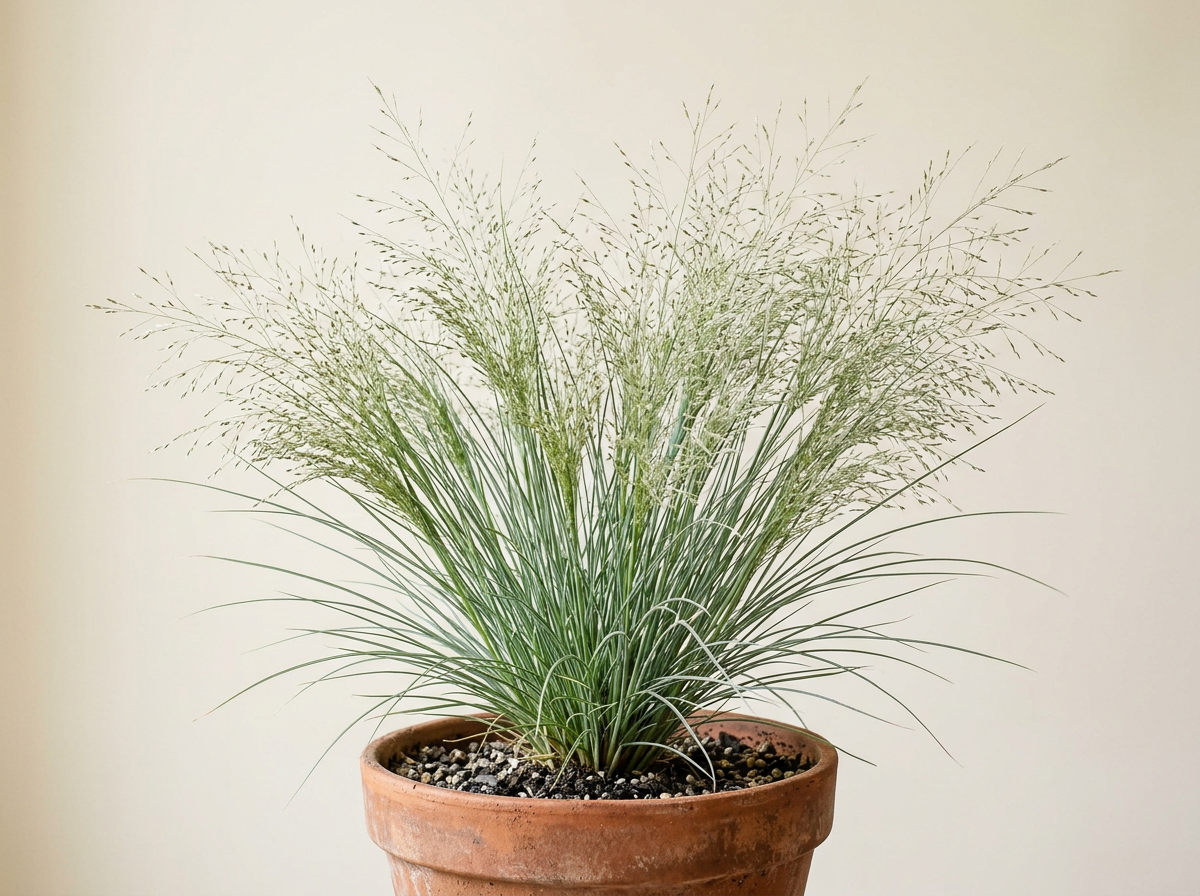
Eragrostis elliottii
Elliott's Lovegrass is a bunchgrass native across the Southeast, from the Carolinas through Florida to Texas. Read more
6 nurseries · 9 matching options
Choose a city or ZIP to find nearby growers. Showing nationwide listings until you choose an area.
On siteCocoa, FL
1option
Listed as “Elliot's Lovegrass (Eragrostis Elliottii) N”
$7.95
Catalog checked Nov 15, 2026. Confirm availability before visiting.
 Plants they list
Groveland, FL
1option
Listed as “Elliot’s Lovegrass / Eragrostis elliottii*”
Call for pricing
Catalog checked Oct 2, 2026. Confirm availability before visiting.
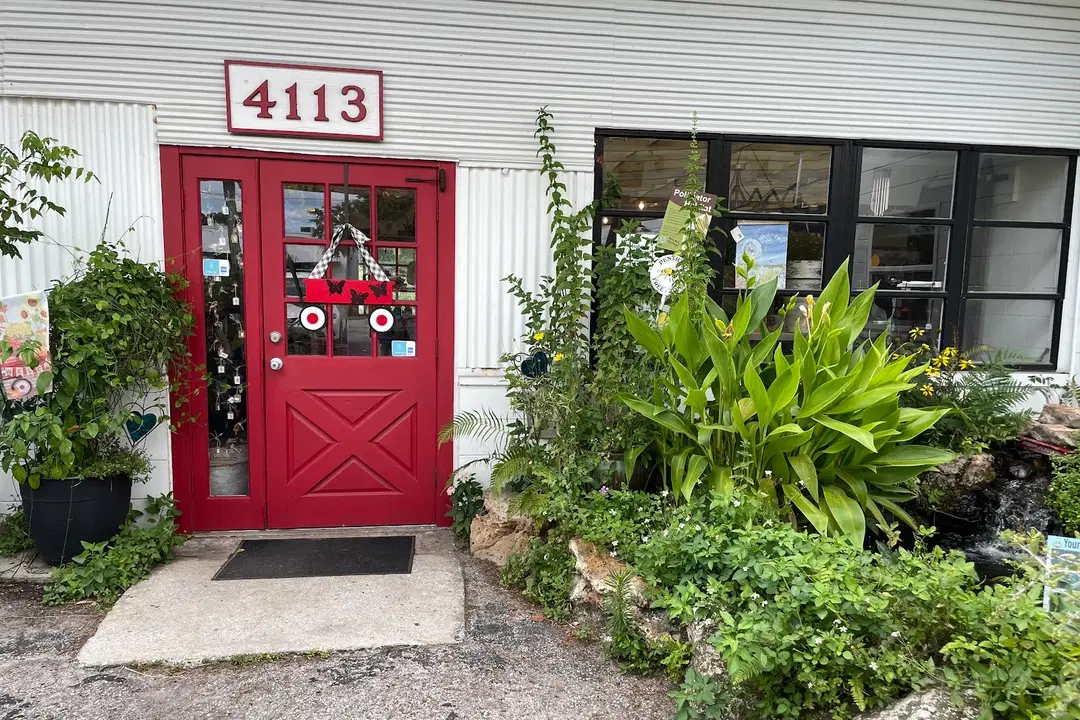 On site
Tampa, FL
2options
Listed as “Elliott's Lovegrass (Eragrostis elliottii)”
From $4.00
Catalog checked Nov 15, 2026. Confirm availability before visiting.
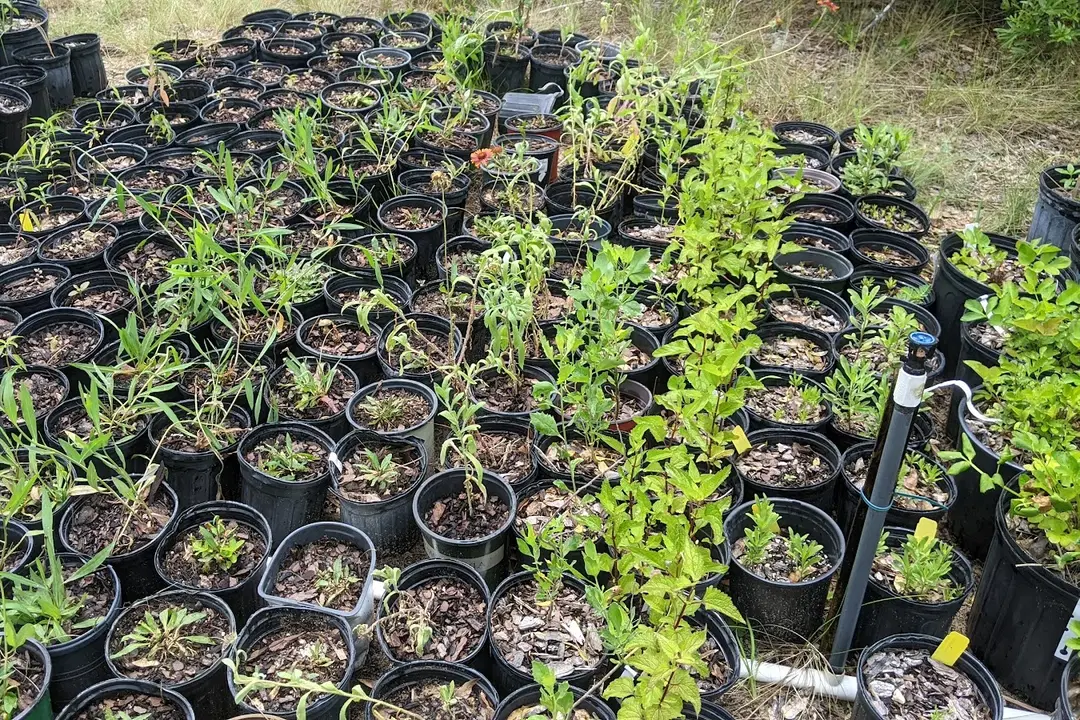 On site
Fountain, FL
2options
Listed as “Elliot’s Lovegrass”
From $10.00
Catalog checked Nov 15, 2026. Confirm availability before visiting.
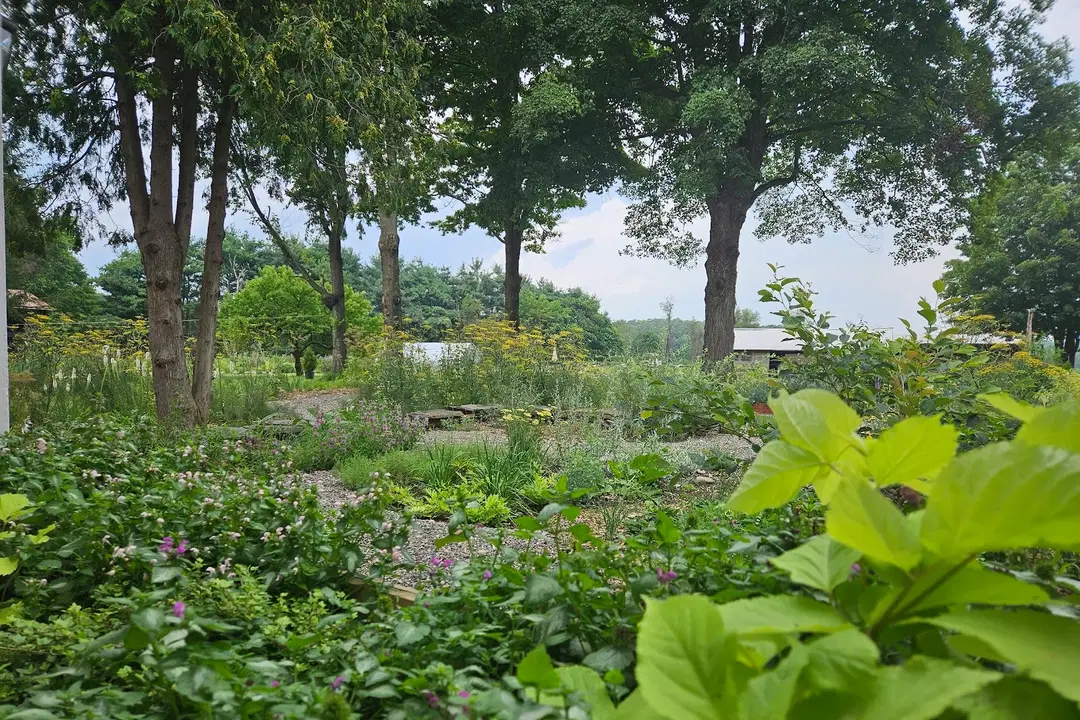 On site
Rhinebeck, NY
1option
Listed as “Eragrostis elliottii | love grass”
Call for pricing
Catalog checked Nov 15, 2026. Confirm availability before visiting.
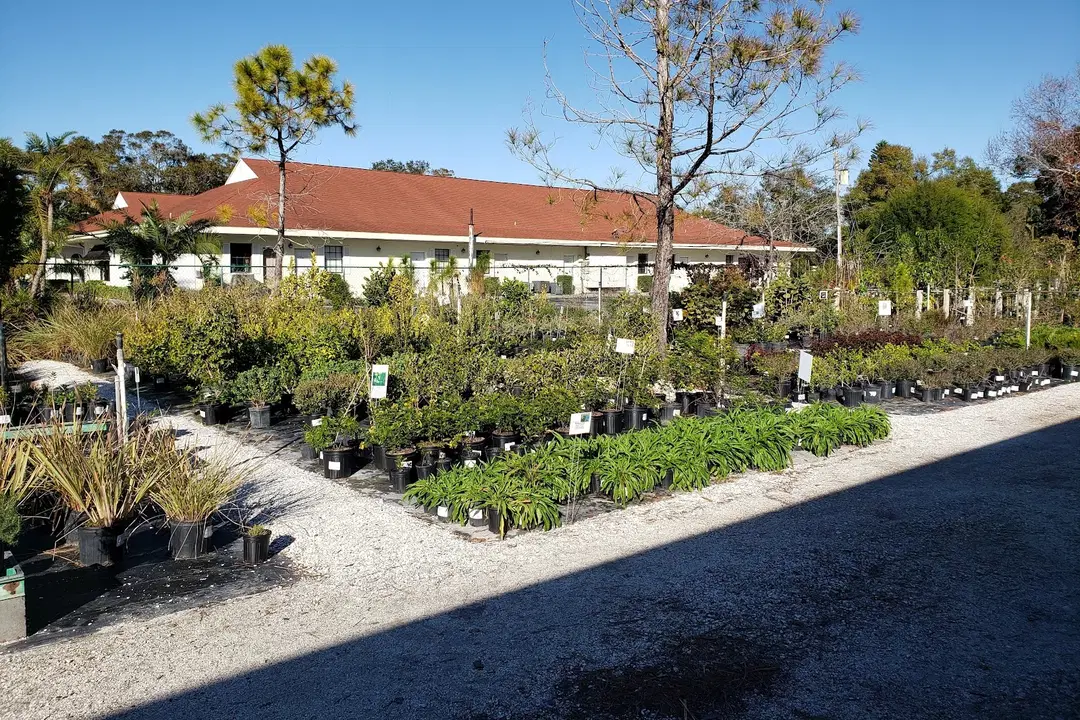 On site
Largo, FL
2options
Listed as “Elliott’s LoveGrass”
From $4.25
Catalog checked Nov 15, 2026. Confirm availability before visiting.
Showing 1 to 6 of 6 nurseries
Elliott's Lovegrass is a bunchgrass native across the Southeast, from the Carolinas through Florida to Texas. Eragrostis elliottii forms tidy clumps of fine, arching blades with a silvery blue cast, and from late summer into fall it lifts airy panicles of tiny whitish beige flowers over the foliage as a soft haze, a texture used in masses, meadow plantings, and path edges.
Plant it in full sun, or light shade at most, in sandy or loamy soil that drains. It takes ground that stays moist with occasional flooding as well as dry sand, tolerates drought once established, and gets by on poor soil. Clumps reach 1 to 3 feet tall and 1 to 2 feet wide, hardy in USDA zones 8a through 10b. This short lived perennial dies back over winter in the cooler part of its range, hosts the Zabulon skipper, and feeds seed eating birds.