Eucalyptus
8 nurseries listed
Compare nurseries
8 nurseries · 44 matching options
8 locations on the map. Select a marker or a nursery to compare.
Preparing the map…
Your location isn’t saved. Confirm availability and visiting hours with the nursery.
About Eucalyptus
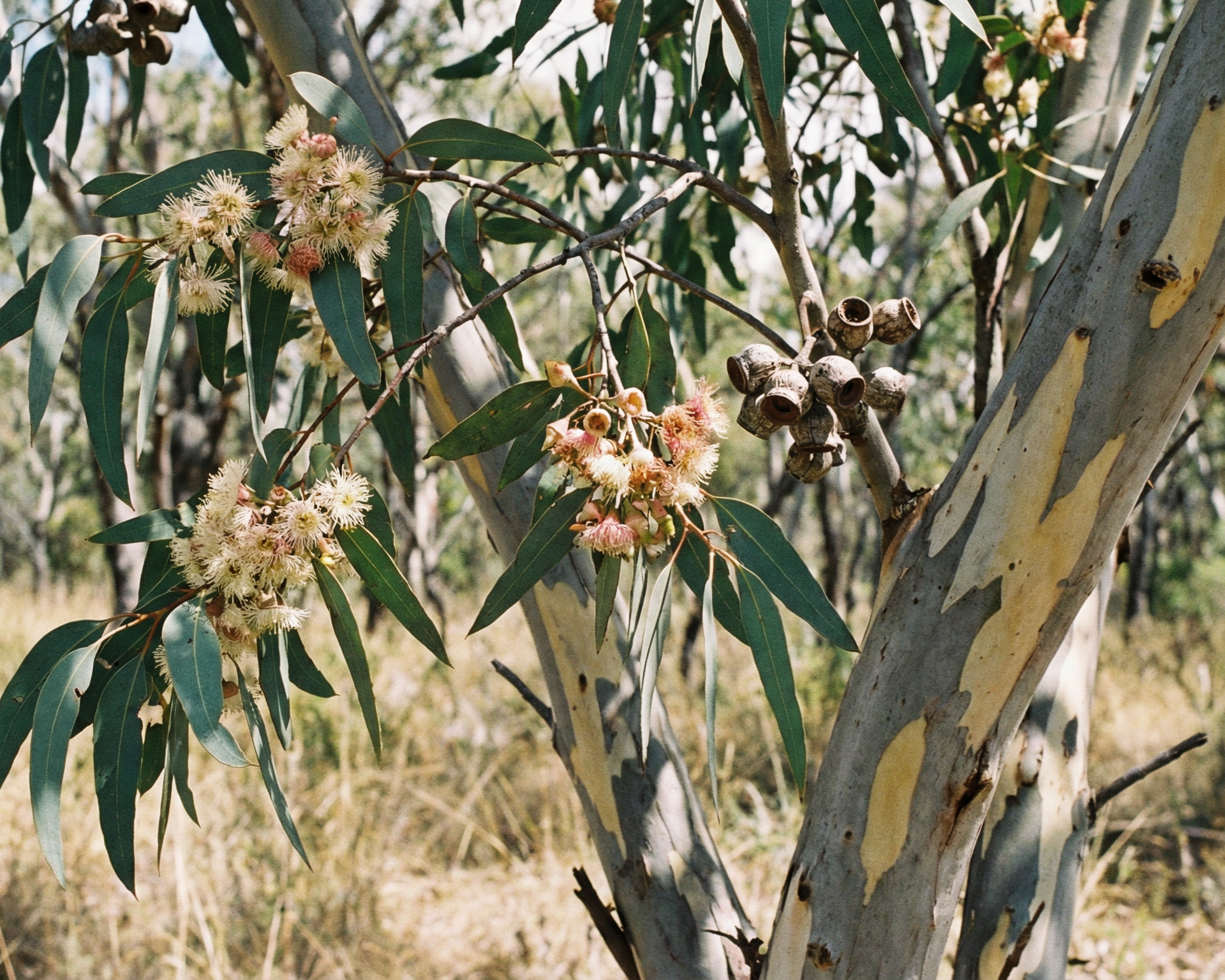
Eucalyptus is a large and diverse genus of flowering trees and shrubs belonging to the myrtle family, Myrtaceae. Native primarily to Australia, with some species found in neighboring islands, the genus encompasses over 700 species. Commonly known as eucalypts or gum trees, these plants range in size from small shrubs to towering trees, including some of the tallest flowering plants on Earth. Eucalyptus trees are renowned for their rapid growth and have been widely cultivated across the globe for their valuable timber, pulpwood, essential oils, and ornamental qualities. The physical characteristics of Eucalyptus are distinct and varied. The bark can be smooth, fibrous, hard, or stringy, and many species are known for shedding their bark in colorful strips or flakes. The leaves are typically leathery, evergreen, and hang downwards, covered in oil glands that produce the characteristic aromatic scent. The flowers are unique in that their petals and sepals are fused to form a cap, or operculum, which is shed to reveal a burst of stamens. The fruit is a woody capsule containing numerous small seeds. Eucalyptus has significant economic and cultural importance. The wood is used extensively for fuel, construction, and paper production. The essential oil extracted from the leaves, particularly from species like the Tasmanian bluegum (Eucalyptus globulus), is a key ingredient in many pharmaceutical products, including expectorants and antiseptics. Indigenous Australians have traditionally used various parts of the eucalyptus tree for making tools, canoes, and medicinal remedies. In horticulture, they are popular as ornamental trees and for creating windbreaks. In terms of cultivation, Eucalyptus species are generally adaptable and thrive in temperate climates with well-drained soil and full sun. They are known for their drought tolerance once established. However, their high flammability, due to the volatile oils in their leaves, poses a significant fire risk in dry, fire-prone regions. While many species are fast-growing and resilient, they can be susceptible to certain pests, such as the eucalyptus gall wasp.