Cornell Farm
Portland, OR
1 option
Call for pricing
Catalog checked Oct 4, 2026. Confirm availability before visiting.
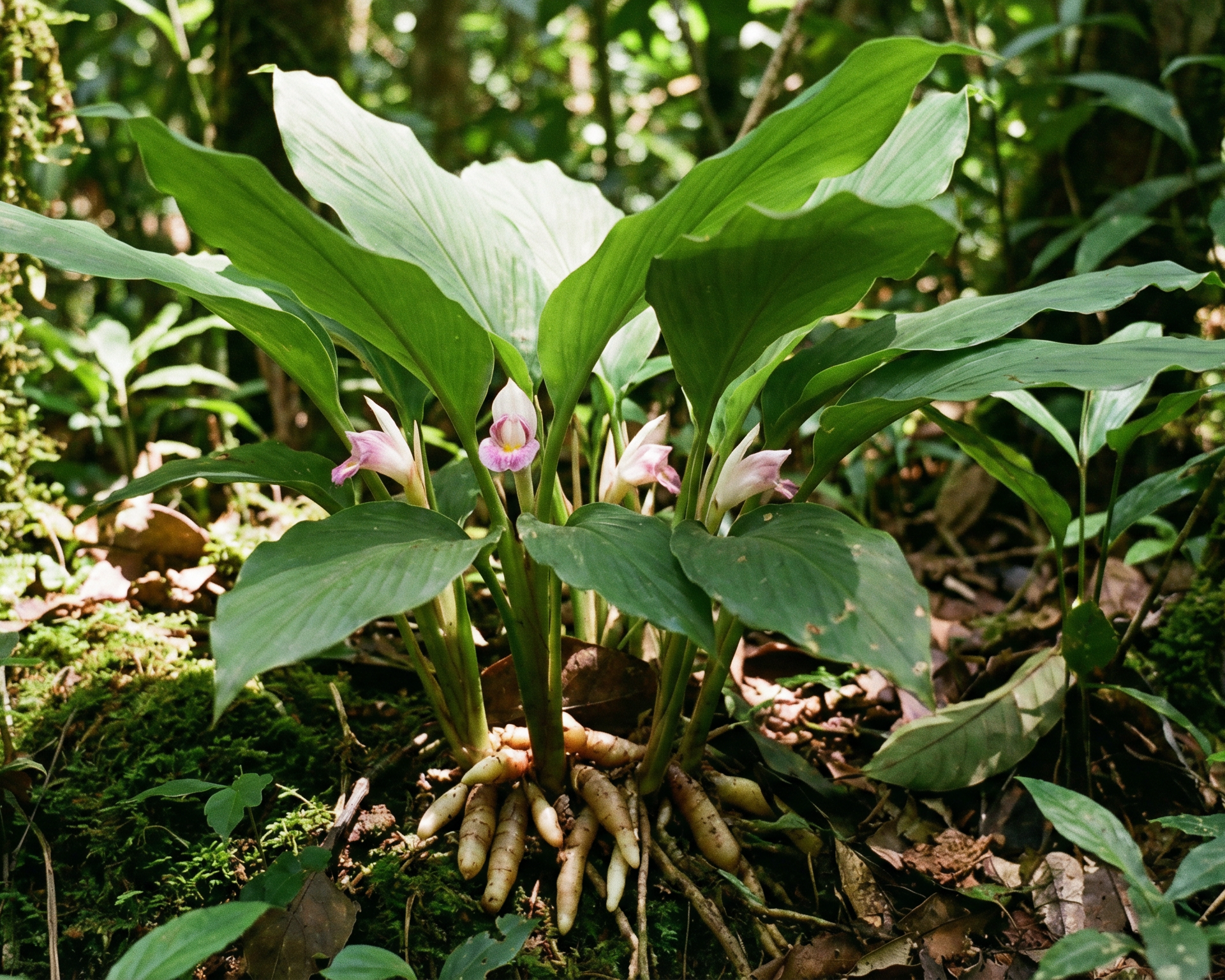
Boesenbergia rotunda
1 nursery listed
1 nursery · 1 matching option
Portland, OR
1 option
Call for pricing
Catalog checked Oct 4, 2026. Confirm availability before visiting.
Showing 1–1 of 1 nurseries
Boesenbergia rotunda, commonly known as Fingerroot, is a versatile and aromatic herbaceous plant belonging to the ginger family, Zingiberaceae. Native to Southeast Asia and China, this perennial herb is characterized by its unique rhizome structure, which resembles a cluster of fingers, giving the plant its common name. The plant typically reaches a height of about 50 cm and features large, vibrant green, Canna-like leaves. The flowers, which are often hidden at the base of the foliage, are typically white or light pink and bloom one at a time. Fingerroot thrives in warm, humid, tropical climates and prefers well-drained, loamy soil rich in organic matter. It can be cultivated both in the ground and in pots, requiring 4-6 hours of direct sunlight or 6-8 hours of indirect sunlight. The plant is propagated through the division of its rhizomes, which can be harvested throughout the year. While generally resistant to pests and diseases, Fingerroot can be susceptible to issues like sunburn and infestations from pests such as aphids and mealybugs if the plant is under stress. Fingerroot has a long history of use in both culinary and traditional medicine throughout Asia. The rhizomes are a popular ingredient in many Southeast Asian cuisines, particularly in Thai and Indonesian dishes, where they are used to flavor curries, soups, and pickles. The young shoots can also be eaten raw in salads. In traditional medicine, Fingerroot is used to treat a wide range of ailments, including digestive issues, inflammation, and skin problems. It is also a key ingredient in the traditional Indonesian tonic, "jamu," and is considered an aphrodisiac in Thailand.