Emerald Island Garden Center
Cocoa, FL
4 options
From $24.95
Catalog checked Oct 1, 2026. Confirm availability before visiting.
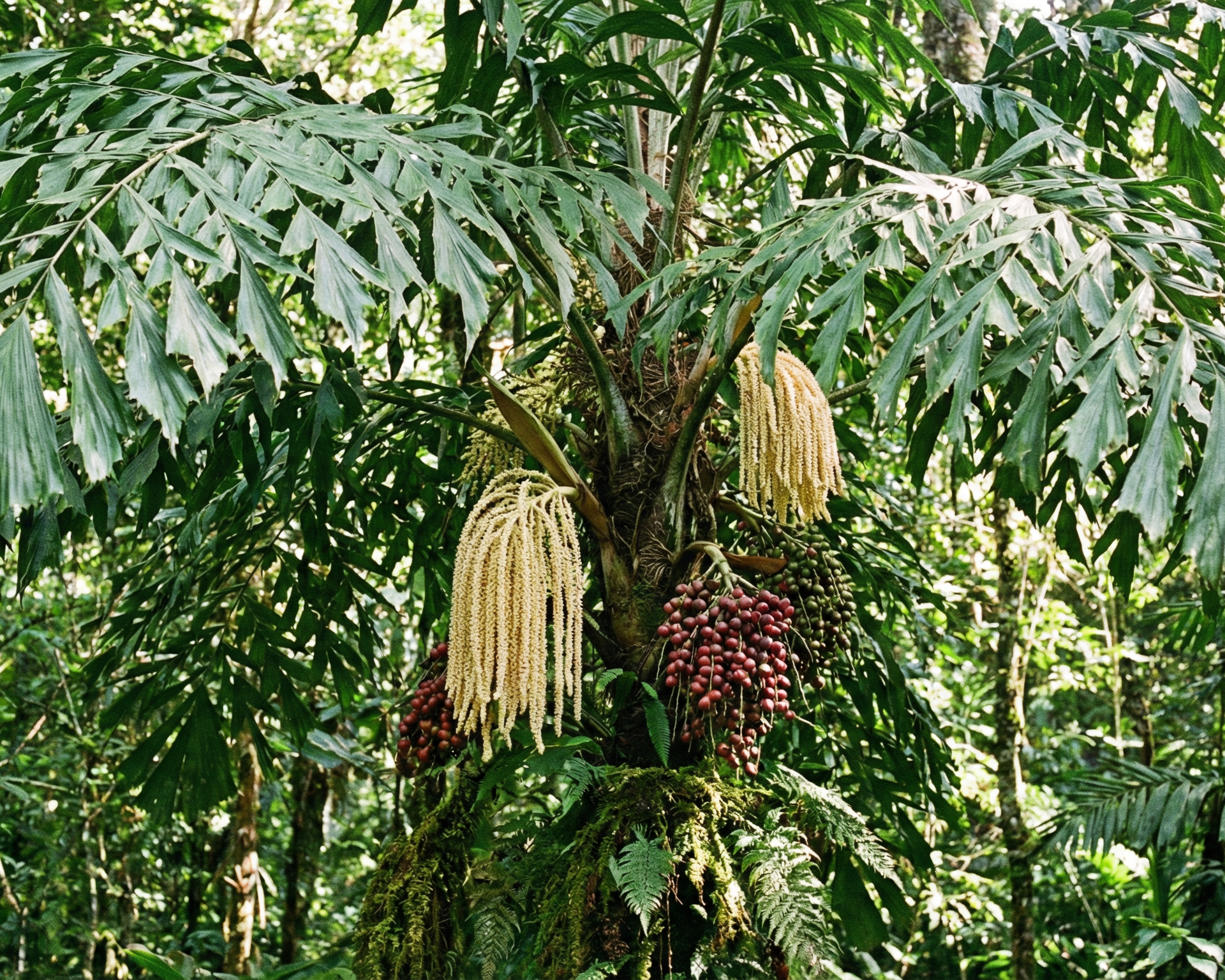
Caryota spp.
5 nurseries listed
5 nurseries · 27 matching options
Cocoa, FL
4 options
From $24.95
Catalog checked Oct 1, 2026. Confirm availability before visiting.
Miami, FL
9 options
From $12.99
Catalog checked Oct 1, 2026. Confirm availability before visiting.
Miami, FL
10 options
From $25.00
Catalog checked Oct 1, 2026. Confirm availability before visiting.
Jacksonville, FL
1 option
From $70.00
Catalog checked Oct 1, 2026. Confirm availability before visiting.
San Marcos, CA
3 options
Call for pricing
Catalog checked Oct 1, 2026. Confirm availability before visiting.
Showing 1–5 of 5 nurseries
Caryota is a genus of palm trees, commonly known as Fishtail Palms, a name derived from the unique shape of their leaves which feature ragged edges resembling a fish's tail. Native to the humid forests of Asia, northern Australia, and the South Pacific, these palms are found in a range of altitudes from sea level up to 2,000 meters. A distinguishing feature of the Caryota genus is its bipinnate foliage, a rarity among palms, where each leaf is further subdivided into leaflets, giving the fronds a lacy and feathery appearance. Fishtail Palms exhibit a variety of growth habits. Some species, like Caryota maxima, can reach towering heights of up to 30 meters, while others, such as the clustering fishtail palm (Caryota mitis), are smaller, typically growing to between 3 and 6 meters, making them suitable for indoor cultivation. A notable characteristic of the genus is that most species are monocarpic, meaning they die after a flowering period that can last five to seven years. However, in clustering species, only the individual trunk that has flowered will die, while the rest of the plant continues to live. The flowers grow in hanging spikes, and the resulting fruit contains oxalic acid, which can cause skin irritation. Beyond their ornamental value in gardens and as houseplants, Fishtail Palms have several practical uses. The sap from the flowers of Caryota urens is famously harvested to produce jaggery, an unrefined sugar, as well as palm wine. The strong fibers from the leaf sheaths are used to make rope and thatch, and the pith from the stem can be processed into sago, a starch similar to tapioca. The trunks of certain species are also used in construction in some regions. Caring for a Fishtail Palm requires attention to its specific needs. These palms thrive in conditions ranging from partial to full sunlight and prefer high humidity. In warmer climates, it is crucial to keep the soil consistently moist to prevent the leaves from shedding. To maintain humidity, especially for indoor plants, daily misting or the use of a humidifier is recommended. A balanced, all-purpose palm fertilizer should be applied monthly after watering to prevent root burn. While generally low-maintenance in terms of pruning, they can be susceptible to pests like spider mites and diseases such as Pseudomonas, which manifests as wet, brown lesions on the leaves.