Woodlanders
Aiken, SC
1 option
Call for pricing
Catalog checked Oct 1, 2026. Confirm availability before visiting.
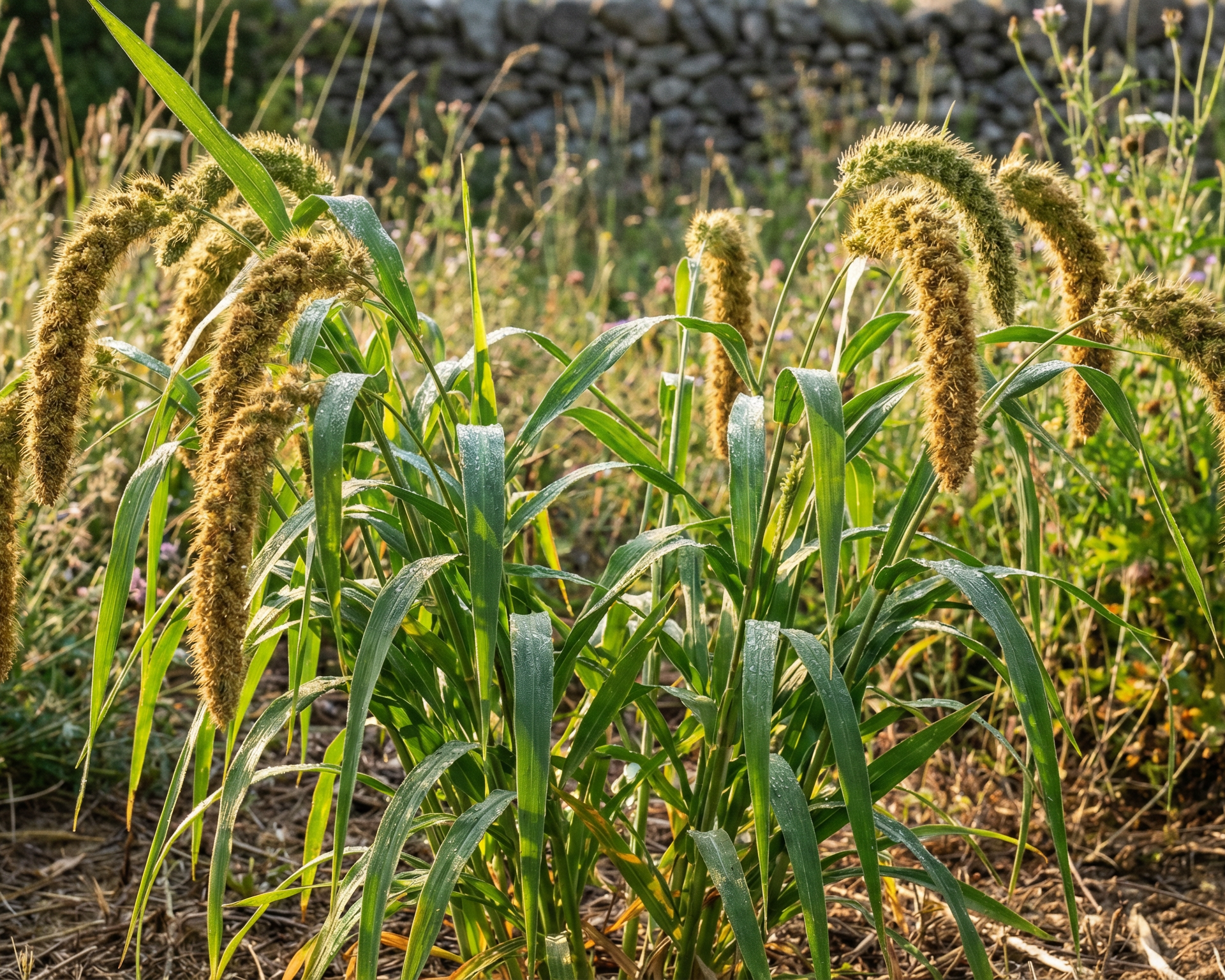
Setaria spp.
1 nursery listed
1 nursery · 1 matching option
Aiken, SC
1 option
Call for pricing
Catalog checked Oct 1, 2026. Confirm availability before visiting.
Showing 1–1 of 1 nurseries
Alopecurus, commonly known as foxtail grass, is a widespread genus of plants belonging to the grass family, Poaceae. The name Alopecurus is derived from the Greek words 'alopex' (fox) and 'oura' (tail), aptly describing the dense, cylindrical flower clusters that resemble a fox's tail. This genus encompasses about 43 species of annual and perennial grasses, which are predominantly found in temperate and subtropical regions of Eurasia, North Africa, and the Americas. While some species have been introduced and naturalized in other parts of the world, including Australia, they are a common sight in meadows, pastures, and along roadsides in their native habitats. Foxtail grasses are characterized by their tufted growth habit, with stems that can be either erect or bent at the base. The leaves are flat and have a blunt ligule, a small membrane at the junction of the leaf blade and sheath. The most distinctive feature of the genus is its inflorescence, a dense, spike-like panicle that bears single-flowered spikelets. These flower heads are typically soft and brush-like, contributing to their ornamental appeal. The species within this genus exhibit a range of characteristics, with some being low-growing and others reaching significant heights. The genus Alopecurus has a varied relationship with humans and agriculture. Several species, such as Alopecurus myosuroides (slender meadow foxtail or black-grass), are considered noxious weeds in agricultural fields, particularly in cereal crops, where they can significantly reduce yields and have developed resistance to herbicides. Conversely, species like Alopecurus pratensis (meadow foxtail) have been widely introduced as a high-quality pasture and hay grass for livestock, valued for its early spring growth. Other species are cultivated as ornamental grasses for their attractive flower heads, which are often used in fresh or dried flower arrangements. From a cultivation perspective, foxtail grasses are generally adaptable and can thrive in a variety of conditions, though many species prefer moist to wet soils. Their care and management depend largely on the species and its intended use. For forage purposes, meadow foxtail is often sown as part of a pasture mix and managed to encourage vigorous growth. As a weed, control of species like slender meadow foxtail requires integrated management strategies, including crop rotation, tillage, and the judicious use of herbicides. The widespread distribution and ecological adaptability of the Alopecurus genus make it an important component of many grassland ecosystems, with both beneficial and detrimental impacts on human activities.