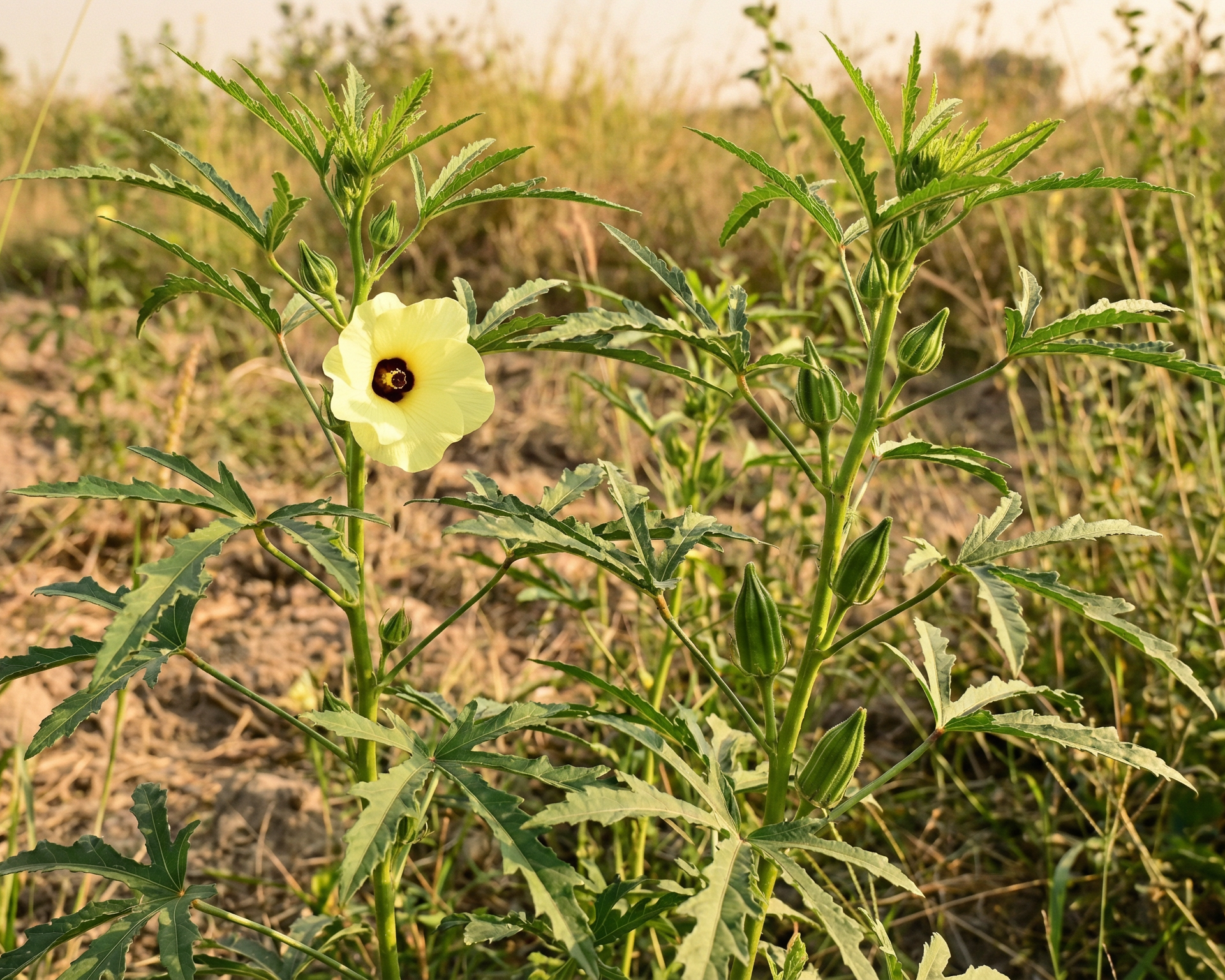
Gardenia (cape jasmine)
Gardenia jasminoides
11 nurseries listed
Compare nurseries
Nurseries with recorded shipping, across all locations. Confirm delivery to your address and availability on the nursery website.
No nursery options match these filters
Try another size or variety, or broaden your location. Options with unconfirmed variety names are included when All varieties is selected.
About Gardenia (cape jasmine)
Gardenia is a genus of flowering plants in the coffee family, Rubiaceae, native to the tropical and subtropical regions of Africa, Asia, Madagascar, and the Pacific Islands. The genus, which includes over 140 species of shrubs and small trees, was named after Dr. Alexander Garden, a Scottish-born American naturalist. Gardenias are celebrated for their beautiful and intensely fragrant flowers, which have made them popular ornamental plants worldwide. These plants are typically evergreen and feature glossy, leathery, dark green leaves that grow in opposite pairs or in whorls of three or more. The flowers are the main attraction, appearing as solitary blossoms or in small clusters. They are typically white or pale yellow, with a waxy texture and a tubular base that flares into a pinwheel of five to twelve lobes. The scent of the flowers is famously strong and sweet, often becoming more potent in the evening to attract nocturnal pollinators like moths. Gardenias have a variety of uses, primarily centered around their aesthetic and aromatic qualities. They are widely cultivated as garden shrubs, hedges, and container plants. The fragrant flowers are often used in floral arrangements and perfumes. In some cultures, the flowers are used to make leis. Beyond their ornamental value, some species have traditional uses. For instance, the fruit of Gardenia jasminoides yields a yellow dye (crocetin) and is used in traditional Chinese medicine. Cultivating gardenias can be a rewarding challenge. They thrive in high humidity and prefer bright, indirect sunlight and acidic, well-drained soil with a pH between 5.0 and 6.5. They are sensitive to cold and will not tolerate frost. Proper care involves consistent watering to keep the soil moist but not waterlogged, and regular feeding during the growing season. Gardenias are susceptible to a number of pests, including aphids, whiteflies, and mealybugs, as well as diseases like powdery mildew and sooty mold. Yellowing of the leaves, a condition known as chlorosis, can indicate a soil pH that is too high.
Plant facts
- Sun
- Full Sun, Partial Sun, Partial Shade
- Water
- Regular
- USDA zones
- 8-11
- Lifecycle
- Perennial