Heron's Head Nursery LLC
San Francisco, CA
1 option
Call for pricing
Catalog checked Oct 4, 2026. Confirm availability before visiting.
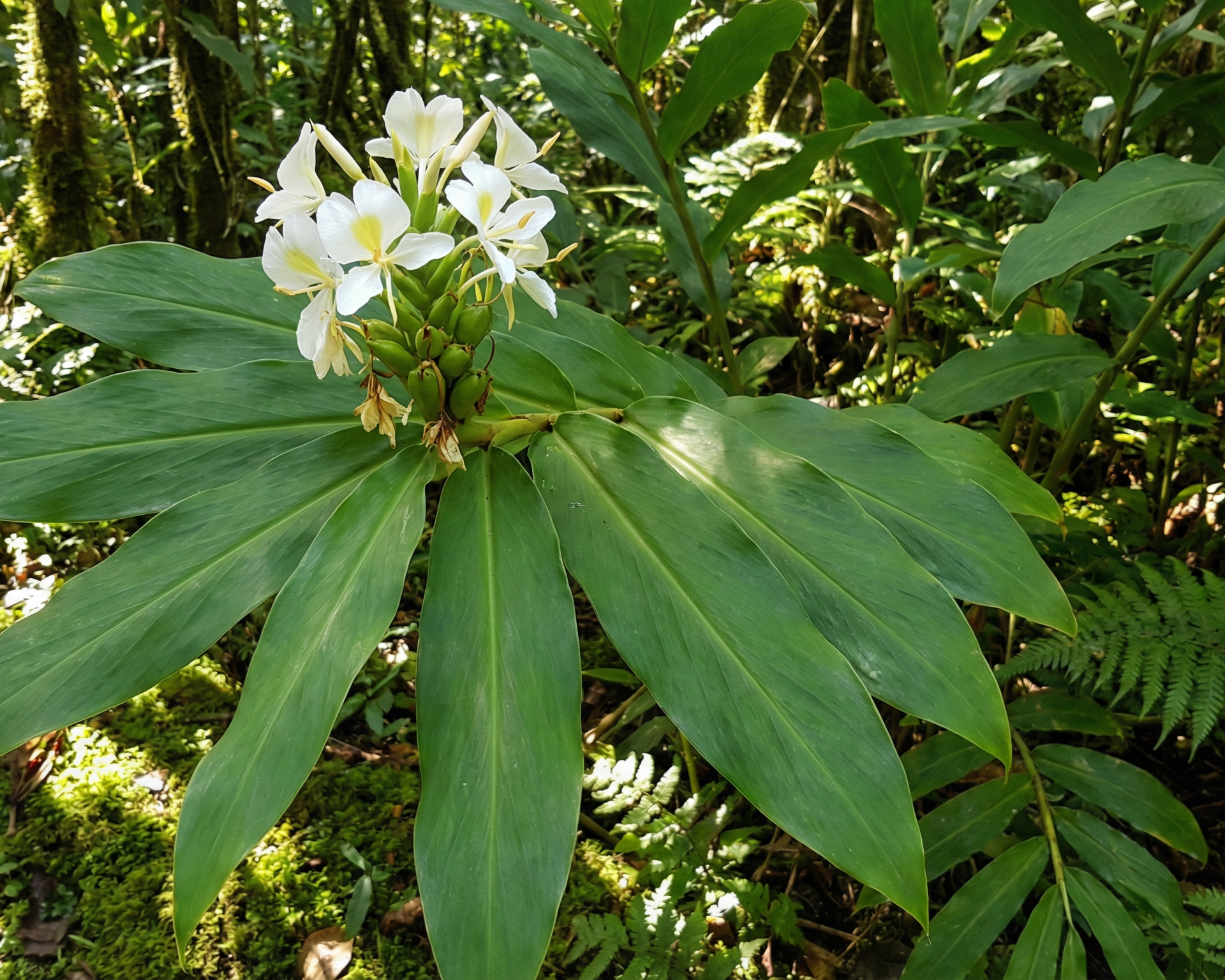
Hedychium spp.
4 nurseries listed
4 nurseries · 8 matching options
San Francisco, CA
1 option
Call for pricing
Catalog checked Oct 4, 2026. Confirm availability before visiting.
Crawfordville, FL
1 option
From $14.99
Catalog checked Oct 1, 2026. Confirm availability before visiting.
Stanwood, WA
3 options
Call for pricing
Catalog checked Oct 1, 2026. Confirm availability before visiting.
Aiken, SC
3 options
Call for pricing
Catalog checked Oct 1, 2026. Confirm availability before visiting.
Showing 1–4 of 4 nurseries
Ginger Lily (Hedychium) Hedychium, commonly known as Ginger Lily or Garland Flower, is a genus of about 80 species of tropical and subtropical herbaceous perennials belonging to the ginger family (Zingiberaceae). Native to Asia, including India, Southeast Asia, and Madagascar, these plants are prized for their lush, tropical foliage and fragrant, showy flowers. The name Hedychium is derived from the Greek words hedys (sweet) and chios (snow), a reference to the fragrant white flowers of the type species, Hedychium coronarium. Ginger Lilies are characterized by their thick, fleshy rhizomes from which emerge tall, upright pseudostems, typically reaching heights of 3 to 6 feet. The leaves are large, lance-shaped, and arranged alternately along the stems, creating a canna-like appearance. In summer, the plants produce dense spikes of fragrant flowers at the terminal ends of the stems. The flowers, which can be white, yellow, orange, or red, are often described as butterfly-like and are a source of nectar for pollinators, including hummingbirds and butterflies. Many species and hybrids of Hedychium are cultivated as ornamental plants in gardens and as container specimens. Their bold foliage and fragrant blooms make them a popular choice for creating a tropical effect in the landscape. Some species, such as Hedychium coronarium, are used in the production of essential oils for perfumery and aromatherapy. While the rhizomes are similar in appearance to culinary ginger (Zingiber officinale), they are not typically used for culinary purposes. Ginger Lilies thrive in moist, well-drained, humus-rich soils in full sun to partial shade. They require consistent moisture during the growing season but are intolerant of waterlogged conditions. In colder climates (below USDA zone 7b), the rhizomes can be lifted in the fall and stored in a cool, dry place over winter or the plants can be grown in containers and brought indoors. Propagation is typically by division of the rhizomes in the spring. While generally low-maintenance, they can be susceptible to pests such as spider mites and scale, especially when grown indoors.