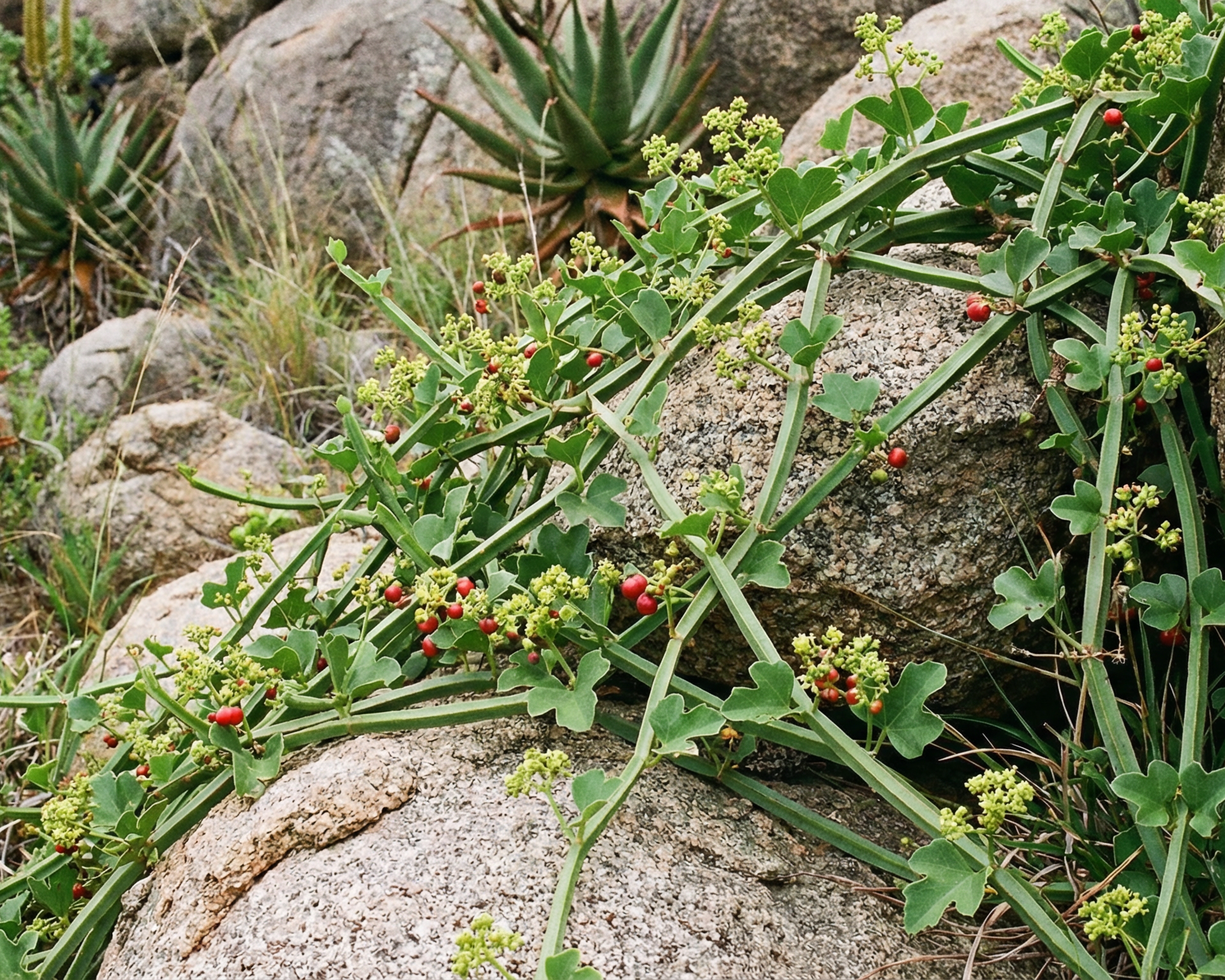
Grape Ivy
Cissus spp.
5 nurseries listed
Compare nurseries
Nurseries with recorded shipping, across all locations. Confirm delivery to your address and availability on the nursery website.
No nursery options match these filters
Try another size or variety, or broaden your location. Options with unconfirmed variety names are included when All varieties is selected.
About Grape Ivy
The genus Cissus, belonging to the grape family (Vitaceae), comprises approximately 350 species of woody vines native to tropical and subtropical regions across the globe. The name Cissus is derived from the Greek word "kissos," which translates to "ivy," a nod to the plant's characteristic climbing growth habit. While there are several common names associated with different species within the genus, including Treebine and Marine Ivy, one of the most widely recognized is Grape Ivy, a name that aptly captures its familial relationship to grapes and its ivy-like appearance. Cissus species are typically vigorous, evergreen climbing vines, though some are more succulent in nature. They are characterized by their fleshy leaves, which can vary in shape and size, and their use of tendrils to climb and attach to surfaces, a trait they share with their grapevine relatives. The flowers of Cissus plants are generally small, inconspicuous, and arranged in clusters, eventually giving way to small, berry-like fruits that are not considered edible. While primarily cultivated as ornamental plants, valued for their lush foliage and trailing habit in hanging baskets or as climbing houseplants, some Cissus species hold cultural and medicinal significance. Cissus quadrangularis, for instance, has a long history of use in traditional medicine, particularly in Ayurvedic practices, where it is used to support bone health and as an anti-inflammatory agent. Other species are used as ground cover in suitable climates, providing a dense and attractive carpet of green. In terms of cultivation, Cissus plants are generally considered easy to care for, making them a popular choice for both novice and experienced gardeners. They thrive in bright, indirect light and prefer a well-draining soil mix. Watering should be done when the top inch of soil feels dry to the touch, and they can be easily propagated from stem cuttings. Their resilience and adaptability, coupled with their attractive appearance, have solidified their place as a favorite among houseplant enthusiasts.
Plant facts
- Sun
- Full Sun, Partial Sun, Partial Shade
- Water
- Low, Drought Tolerant
- USDA zones
- 10-12
- Lifecycle
- Perennial