Plant Material
Los Angeles, CA
1 option
Echinocereus engelmannii, Engelmann's Hedgehog Cactus
Variety not confirmed
4 inCall for pricing
Catalog checked Oct 15, 2026. Confirm availability before visiting.
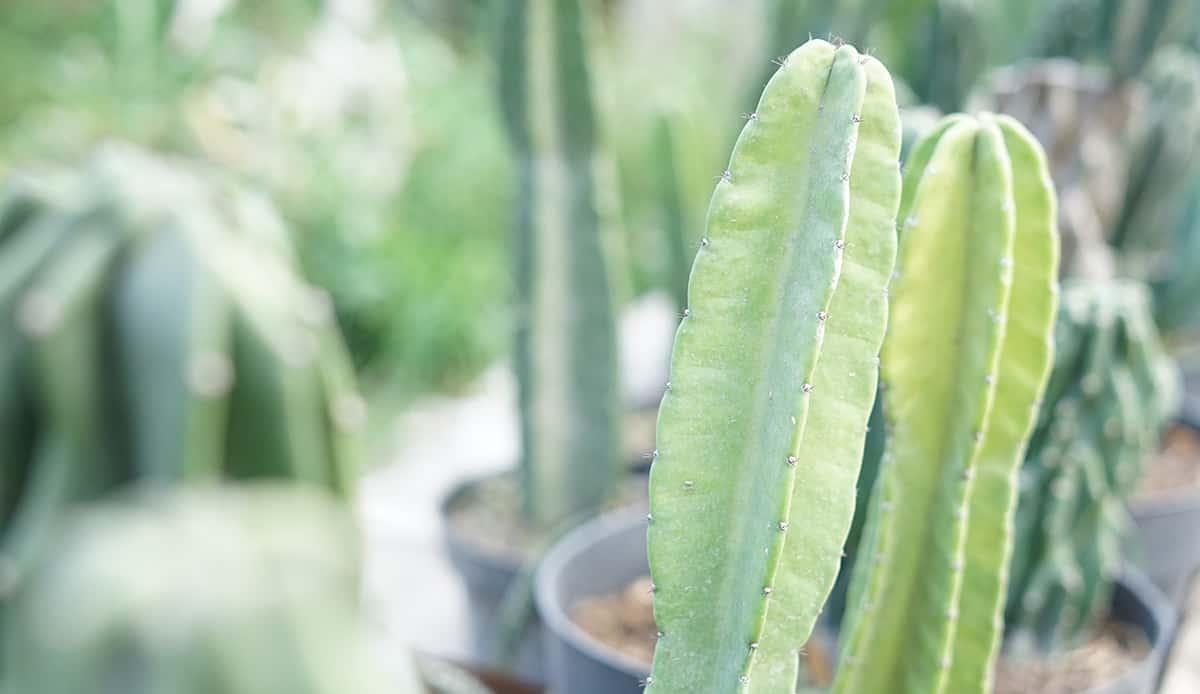
Echinocereus spp.
1 nursery nationwide
1 nursery · 1 matching option
Los Angeles, CA
1 option
Echinocereus engelmannii, Engelmann's Hedgehog Cactus
Variety not confirmed
Call for pricing
Catalog checked Oct 15, 2026. Confirm availability before visiting.
Showing 1–1 of 1 nurseries
Echinocereus, commonly known as Hedgehog Cactus, is a genus of about 70 species of small to medium-sized cylindrical cacti native to the southern United States and Mexico. The name Echinocereus is derived from the Greek "echinos" (hedgehog or sea urchin) and the Latin "cereus" (candle), referring to their spiny, elongated form. These cacti are typically found in sunny, rocky environments and are prized for their large, vibrant flowers. Key characteristics of Hedgehog Cacti include their ribbed, cylindrical stems that can be solitary or branching, and grow from 1 to 60 centimeters in height. A distinctive feature of the genus is that the flower buds emerge directly through the skin of the plant, rather than from an areole. The flowers are large and showy, with colors ranging from pink and purple to red and yellow, and they open during the day. The fruits are typically green or reddish, fleshy, and edible. Hedgehog Cacti are popular in cultivation due to their beautiful flowers and relative ease of care. They are well-suited for rock gardens, xeriscaping, and container gardening. Many species are cold-hardy, tolerating temperatures well below freezing if kept dry. They require well-draining soil and plenty of sunlight to thrive and produce their spectacular blooms. While generally low-maintenance, they can be susceptible to root rot if overwatered and may be affected by common cactus pests such as mealybugs and scale insects. The fruits of some Echinocereus species are consumed by wildlife and have been a traditional food source for indigenous peoples. Their ornamental value is their primary use today, with many species and cultivars being popular among cactus and succulent enthusiasts. Their compact size and stunning floral displays make them a rewarding addition to any collection.