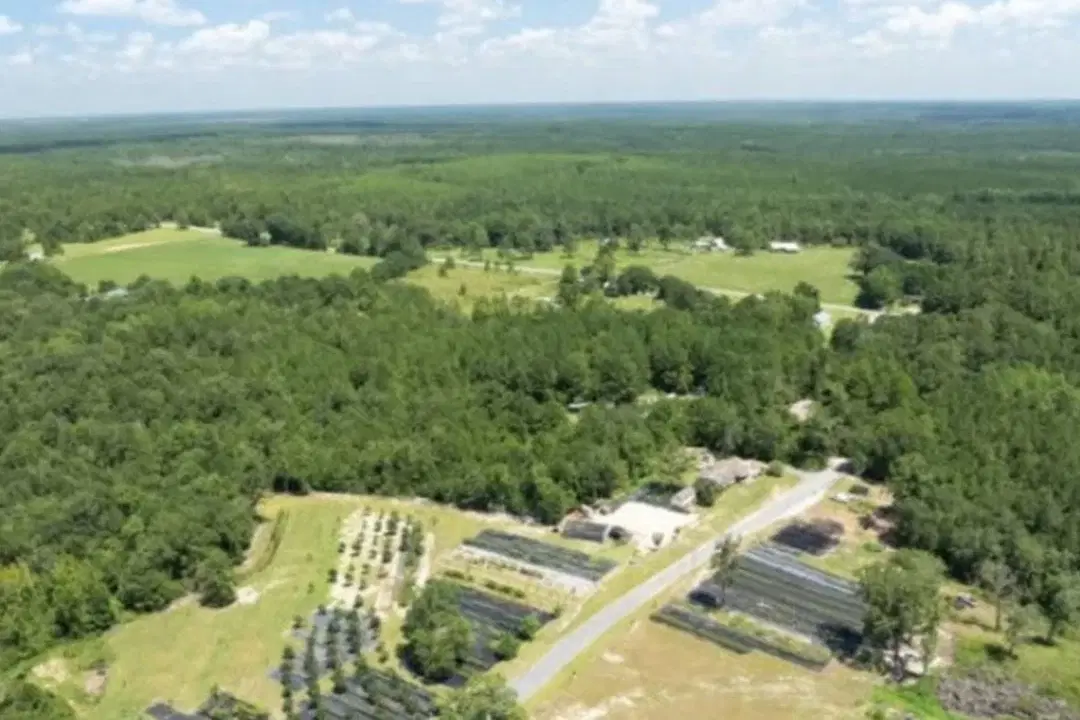
 On site
Advanced Nursery Growers
Defuniak Springs, FL
3options
Listed as “Hall's Honeysuckle”
Variety not confirmedAsk about sizesLowest priced listingFrom $9.00
Catalog checked Nov 15, 2026. Confirm availability before visiting.
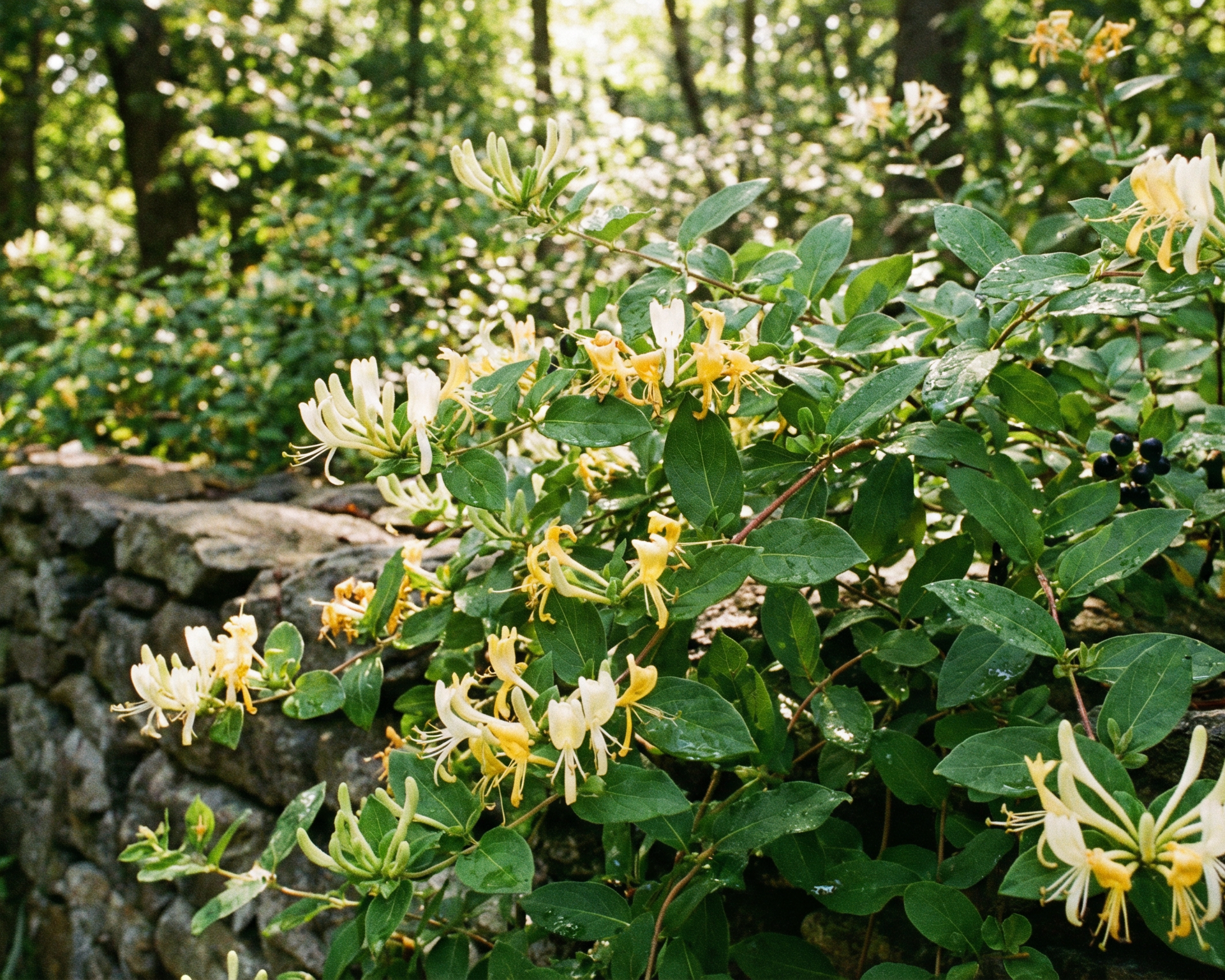
Lonicera spp.
Honeysuckle, or Lonicera, is a large genus of about 180 species of flowering plants in the family Caprifoliaceae. Native to the Northern Hemisphere, this diverse group includes both deciduous and evergreen species, which grow as either arching shrubs or twining vines. Read more
39 nurseries · 104 matching options
On siteDefuniak Springs, FL
3options
Listed as “Hall's Honeysuckle”
From $9.00
Catalog checked Nov 15, 2026. Confirm availability before visiting.
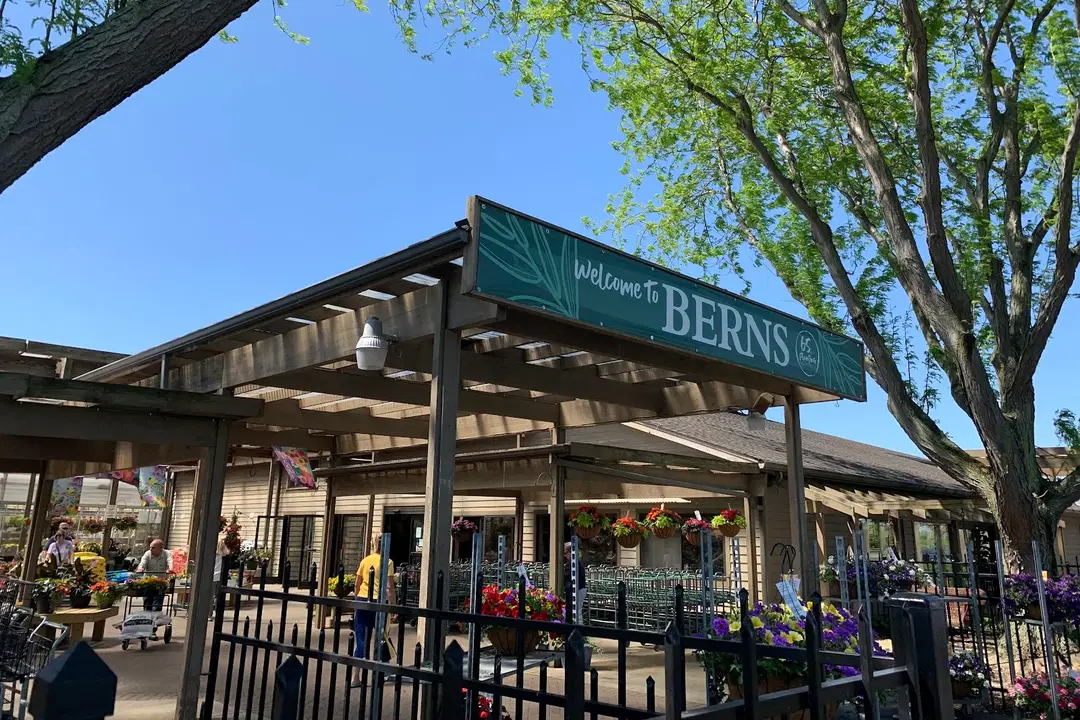 On site
Middletown, OH
2options
Listed as “Lonicera | Major Wheeler Trumpet Honeysuckle - 1 Gallon”
Call for pricing
Catalog checked Nov 15, 2026. Confirm availability before visiting.
 On site
Stillwater, OK
1option
Listed as “Lonicera sempervirens”
Call for pricing
Catalog checked Nov 15, 2026. Confirm availability before visiting.
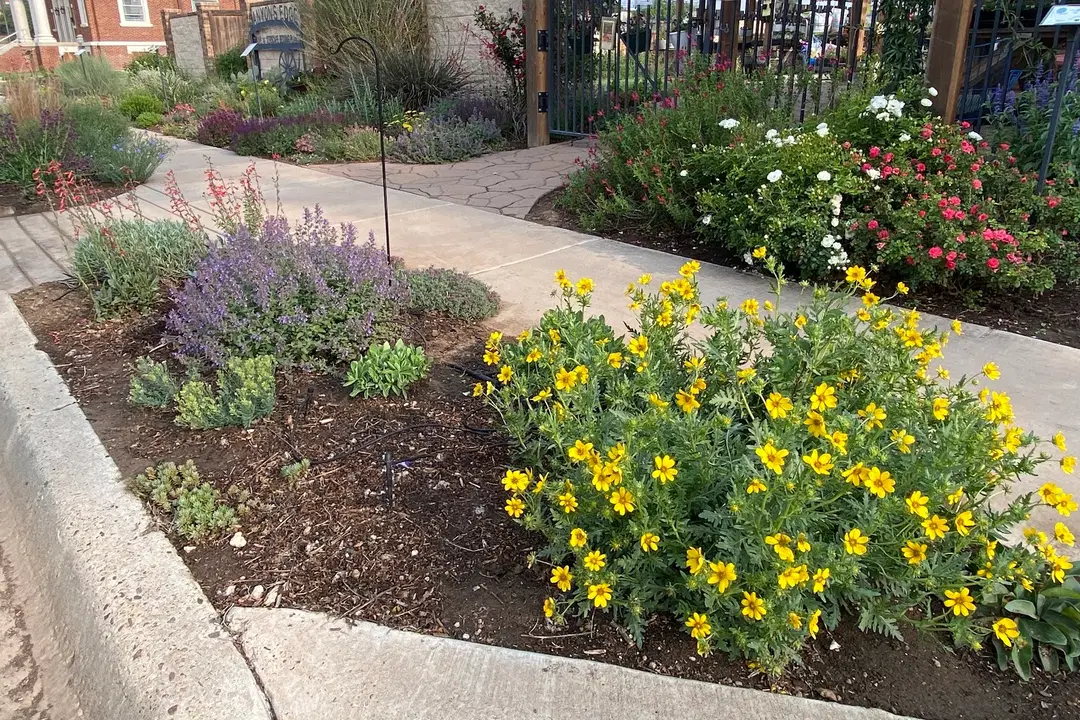 On site
Canyon, TX
3options
Listed as “Lonicera sempervirens - Major Wheeler”
Call for pricing
Catalog checked Nov 15, 2026. Confirm availability before visiting.
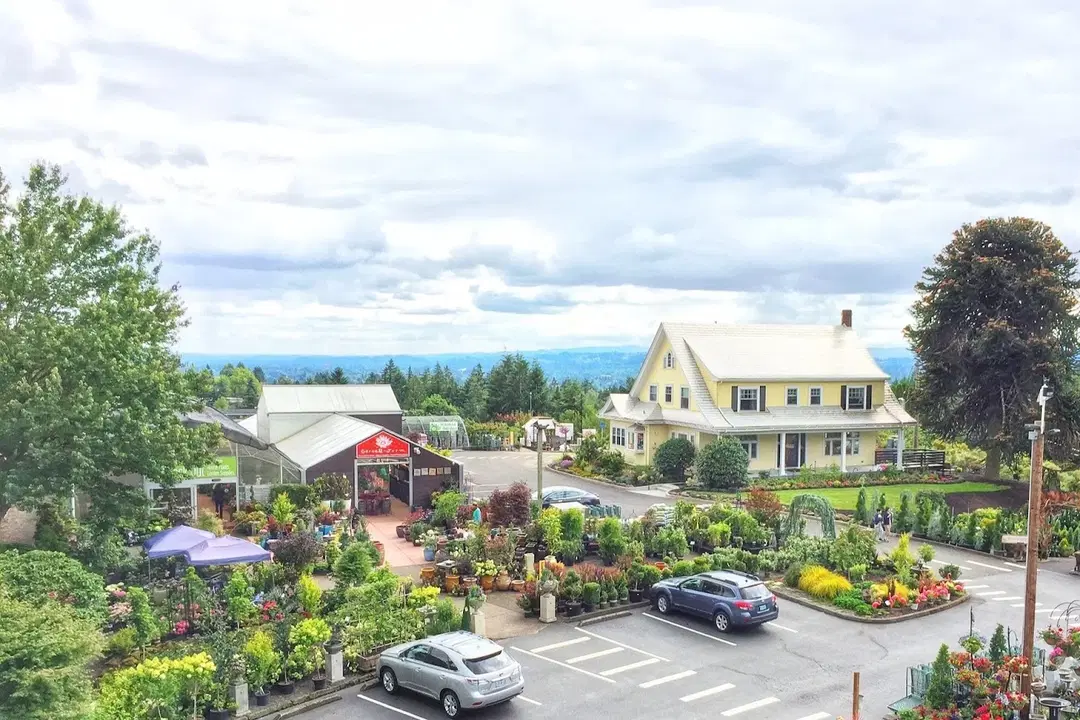 On site
Portland, OR
8options
Listed as “Lonicera involucrata 1gal Twinberry”
Call for pricing
Catalog checked Nov 15, 2026. Confirm availability before visiting.
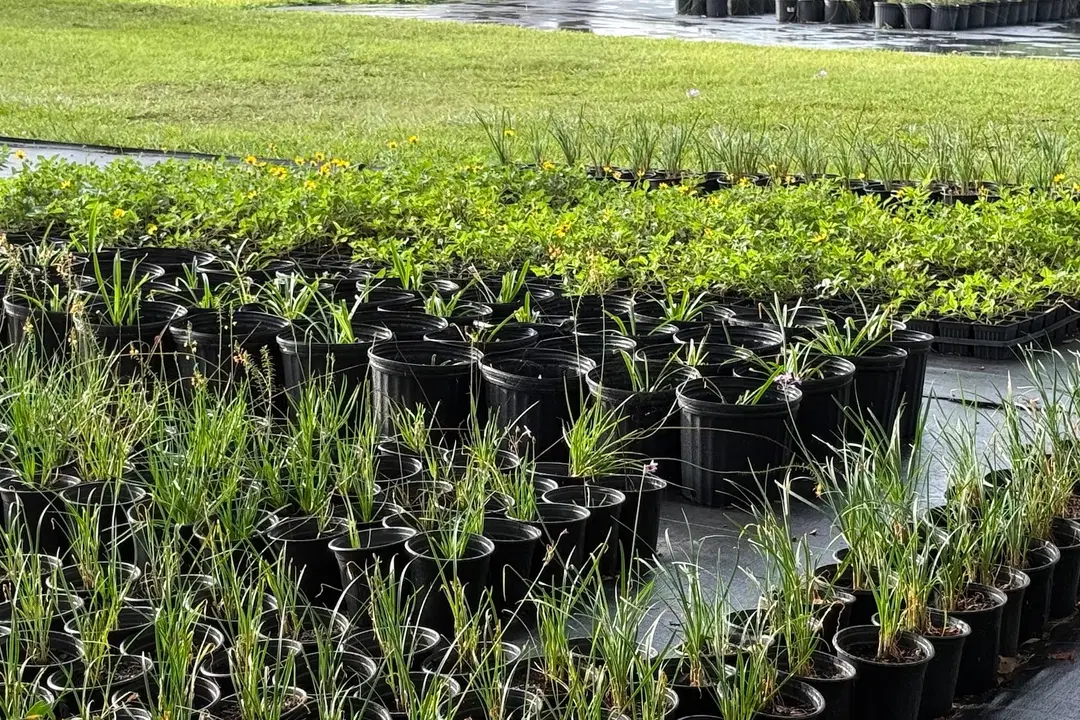 On site
De Leon Springs, FL
1option
Listed as “Honeysuckle”
$15.00
Catalog checked Nov 15, 2026. Confirm availability before visiting.
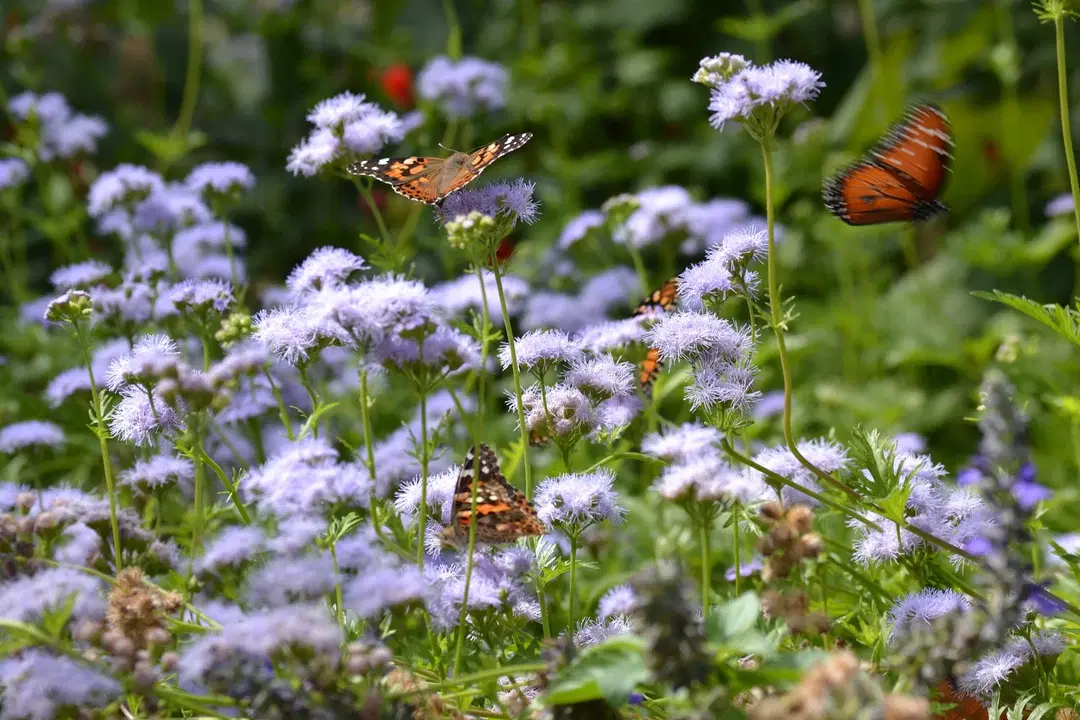 On site
Fort Worth, TX
2options
Listed as “Lonicera sempervirens (Coral Honeysuckle)”
Call for pricing
Catalog checked Nov 15, 2026. Confirm availability before visiting.
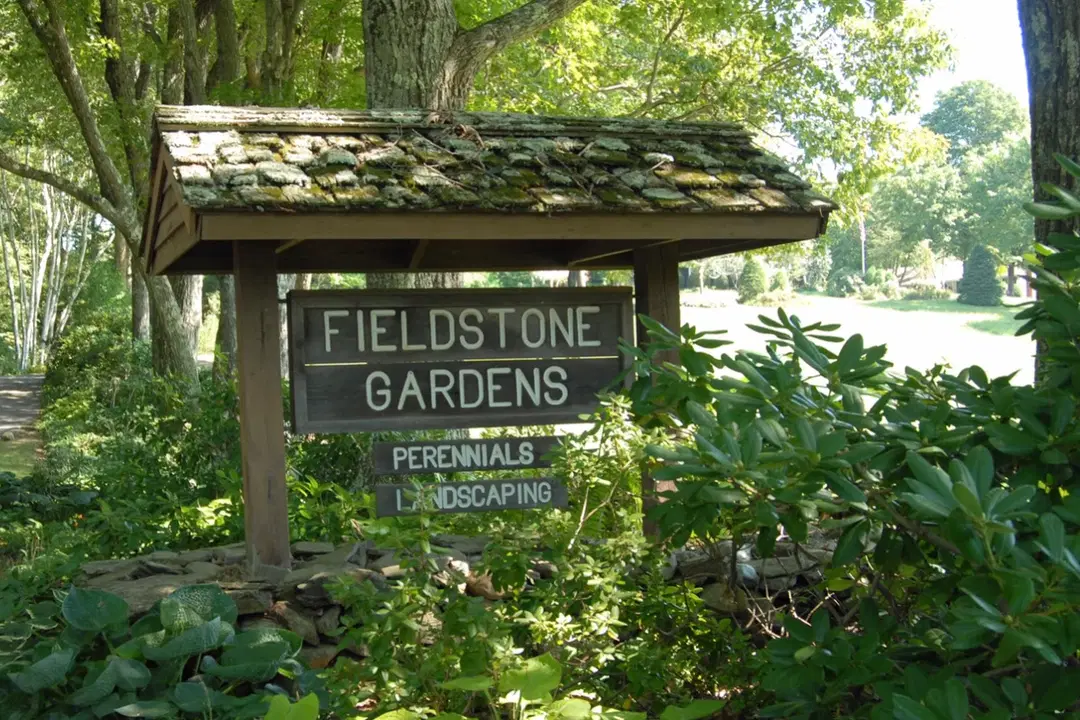 On site
Vassalboro, ME
3options
Listed as “Lonicera periclymenum 'Scentsation' (Honeysuckle Vine)”
Call for pricing
Catalog checked Nov 15, 2026. Confirm availability before visiting.
Showing 1 to 8 of 39 nurseries
Load more nurseriesHoneysuckle, or Lonicera, is a large genus of about 180 species of flowering plants in the family Caprifoliaceae. Native to the Northern Hemisphere, this diverse group includes both deciduous and evergreen species, which grow as either arching shrubs or twining vines. The genus was named after the German botanist Adam Lonicer. Honeysuckles are cherished for their intensely fragrant and beautiful flowers, making them a popular choice for gardens and landscapes. While many species are celebrated ornamentals, some, like the Japanese honeysuckle (Lonicera japonica), have become invasive in various parts of the world, posing a threat to native ecosystems.
The key characteristics of honeysuckles are their simple, opposite leaves and their distinctive flowers. The leaves are typically oval-shaped and can be either deciduous or evergreen, depending on the species. The flowers are the most notable feature, characterized by their tubular, bell-like, or trumpet-shaped structure. They are often produced in pairs and are renowned for their sweet fragrance, which is particularly strong in the evening. Flower colors range from white and yellow to shades of pink and red. After flowering, most honeysuckle species produce berries that can be red, blue, or black. It is important to note that while the nectar of the flowers is edible and sweet, the berries of most honeysuckles are poisonous to humans.
Honeysuckles have a variety of uses and a significant ecological role. Their primary use is ornamental, with many cultivars being developed for their vibrant flowers and climbing habits, making them ideal for covering walls, trellises, and arbors. Ecologically, the nectar-rich flowers are a vital food source for pollinators such as hummingbirds, bees, and butterflies. The berries, though toxic to humans, are consumed by various bird species. In traditional medicine, particularly in Asia, some species like Lonicera japonica have been used for their anti-inflammatory and antiviral properties. However, the invasive nature of certain species necessitates careful selection and management to prevent them from outcompeting native flora.
Growing conditions for honeysuckles are generally straightforward, as they are adaptable and hardy plants. Most species thrive in full sun to partial shade and prefer well-drained soil, although they can tolerate a range of soil types. They have moderate water requirements and can become more drought-tolerant once established. Pruning is often necessary to maintain their shape, control their size, and encourage flowering, especially for the vining varieties. The hardiness of honeysuckles varies by species, but many are resilient and can be grown in a wide array of climates, making them a versatile and rewarding addition to the garden when chosen and managed responsibly.