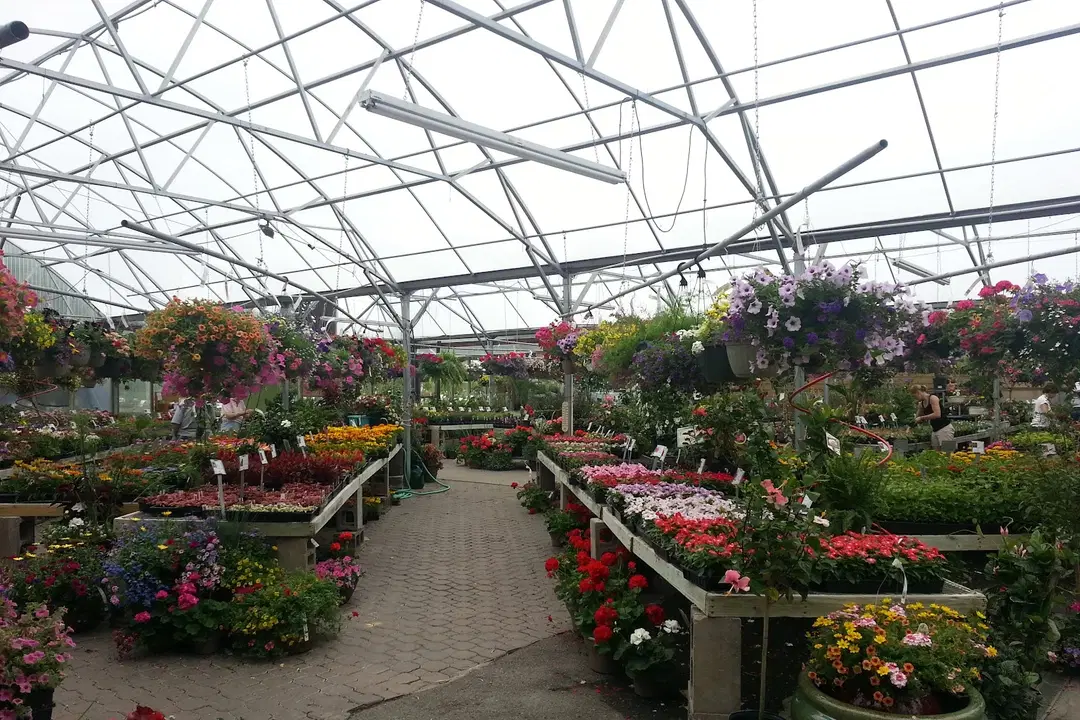
 On site
Campbell's Nurseries & Garden Centers
Lincoln, NE
1option
Listed as “Horseradish”
Variety not confirmedAsk about sizes$4.99
Catalog checked Nov 15, 2026. Confirm availability before visiting.
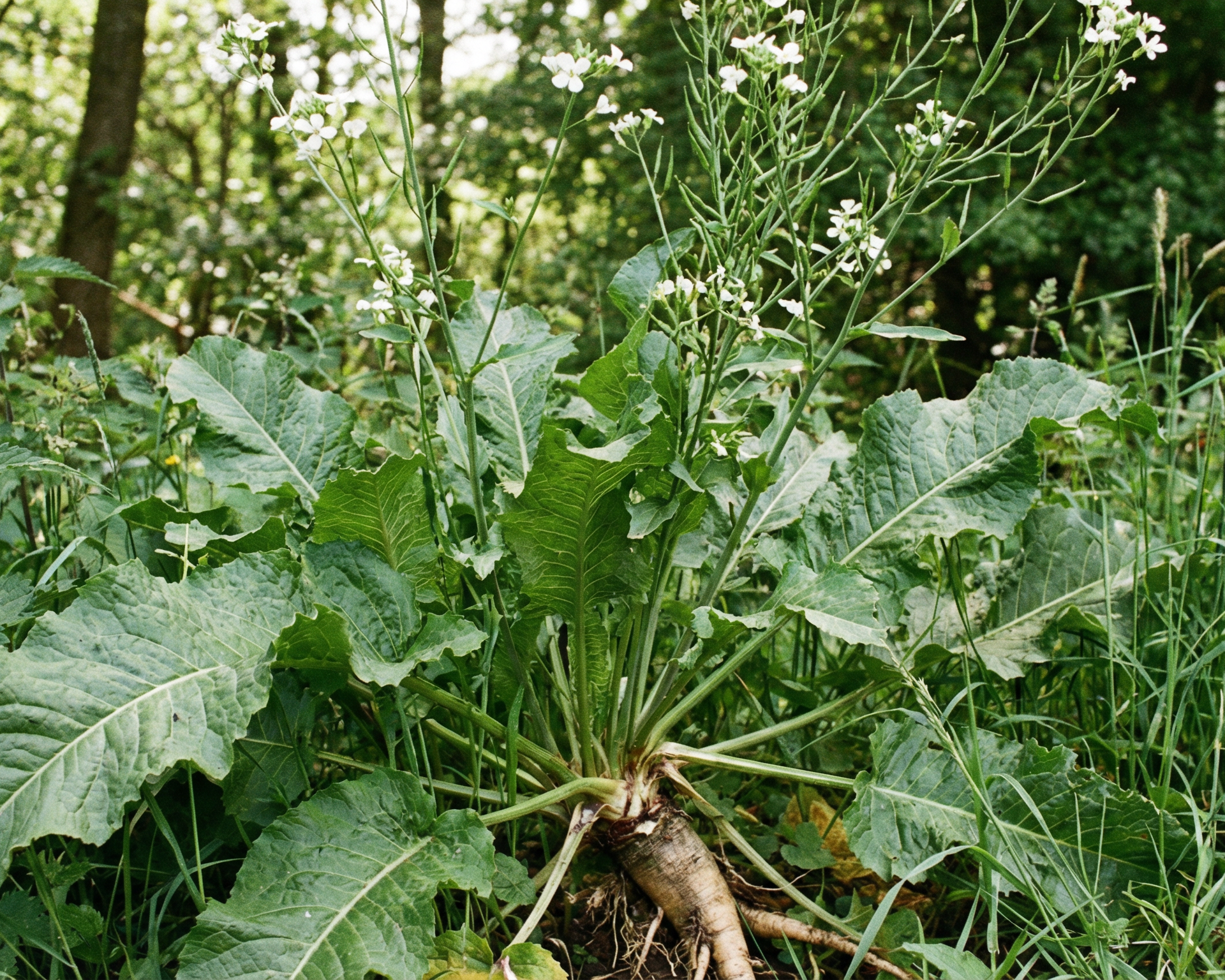
Armoracia rusticana
Horseradish (Armoracia rusticana) is a perennial herb belonging to the Brassicaceae family, which also includes mustard, wasabi, broccoli, and cabbage. Native to southeastern Europe and western Asia, it is now cultivated worldwide for its pungent root. Read more
7 nurseries · 10 matching options
On siteLincoln, NE
1option
Listed as “Horseradish”
$4.99
Catalog checked Nov 15, 2026. Confirm availability before visiting.
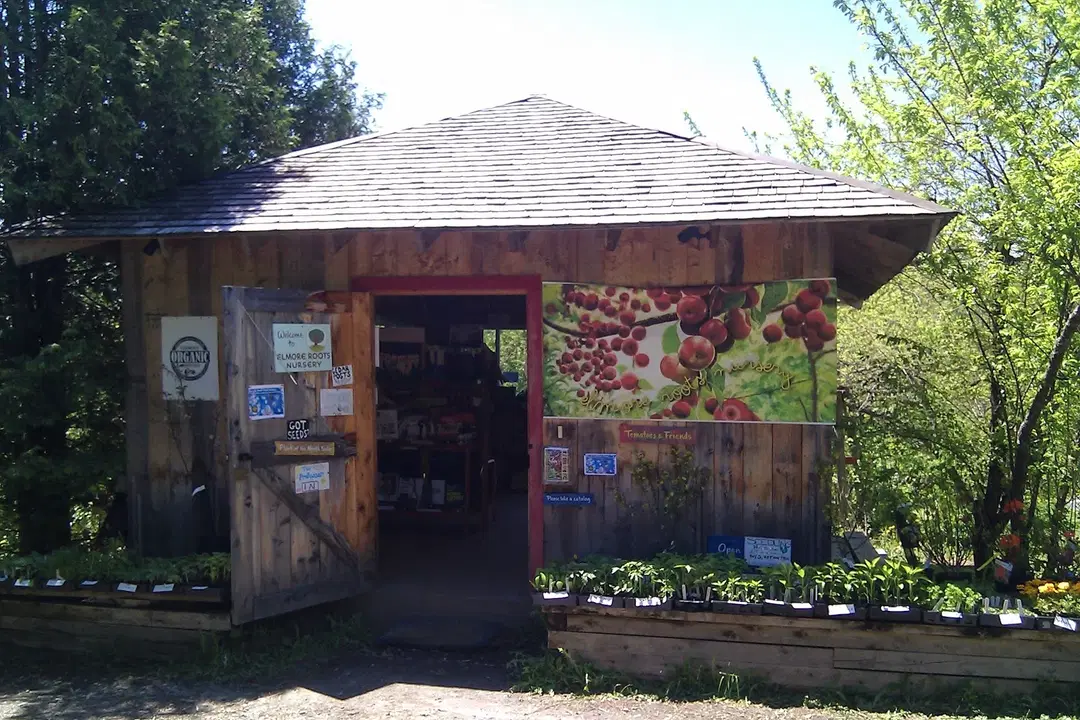 On site
Wolcott, VT
1option
Listed as “Horseradish”
Call for pricing
Catalog checked Nov 15, 2026. Confirm availability before visiting.
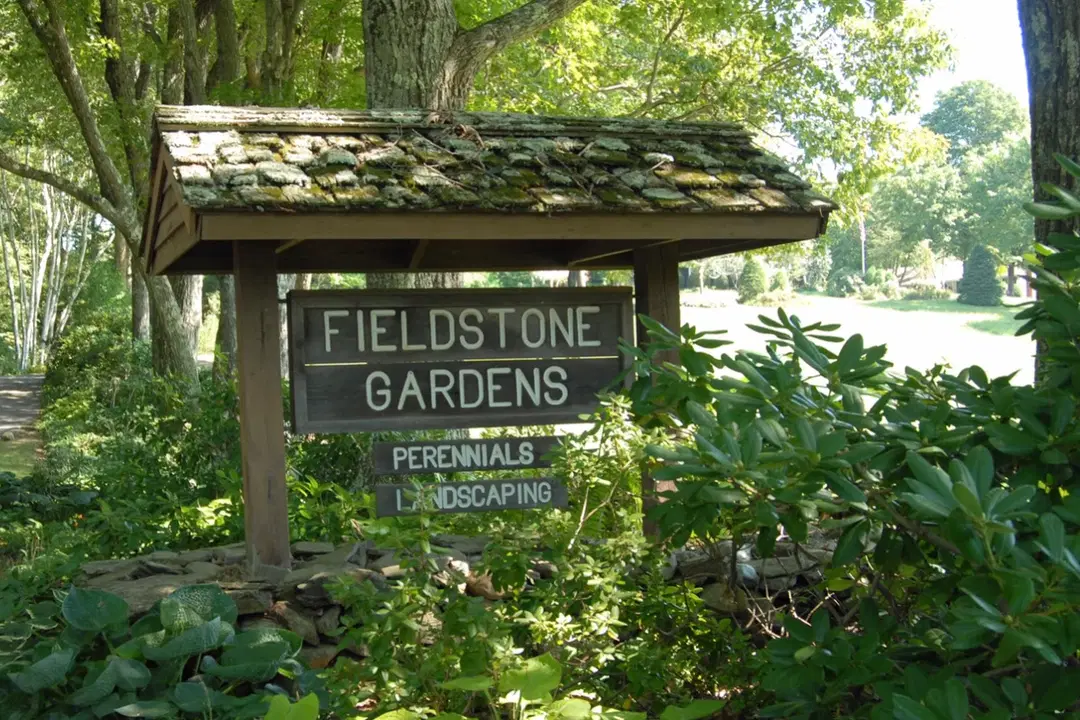 On site
Vassalboro, ME
1option
Listed as “Armoracia rusticana (Horseradish)”
Call for pricing
Catalog checked Nov 15, 2026. Confirm availability before visiting.
 On site
Portland, OR
2options
Listed as “Horseradish – Bare Root”
From $5.50
Catalog checked Nov 15, 2026. Confirm availability before visiting.
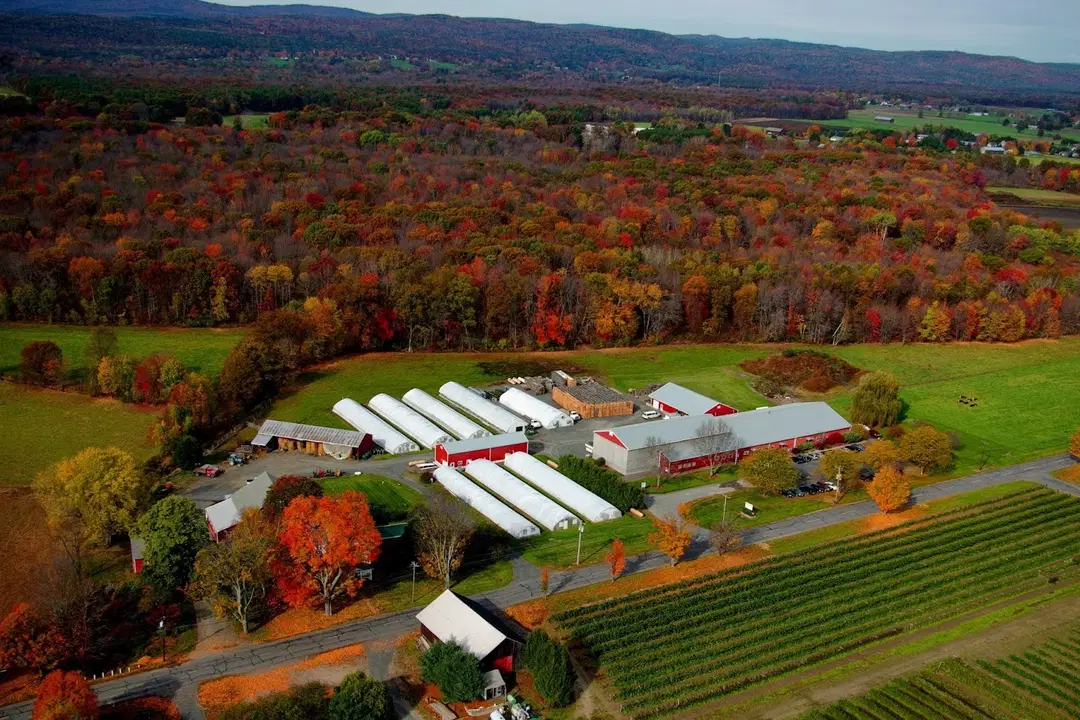 On site
South Deerfield, MA
1option
Listed as “Big Top Horseradish Plants”
Call for pricing
Catalog checked Nov 15, 2026. Confirm availability before visiting.
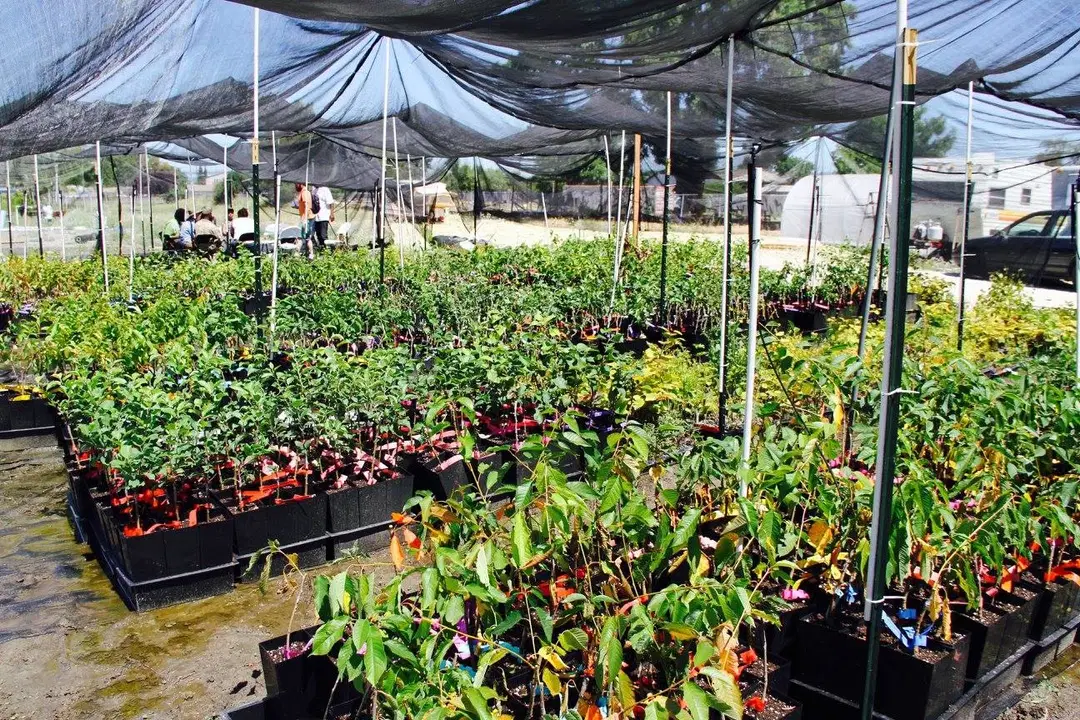 On site
Oakland, CA
3options
Listed as “Horseradish (Armoracia rusticana)”
Call for pricing
Catalog checked Nov 15, 2026. Confirm availability before visiting.
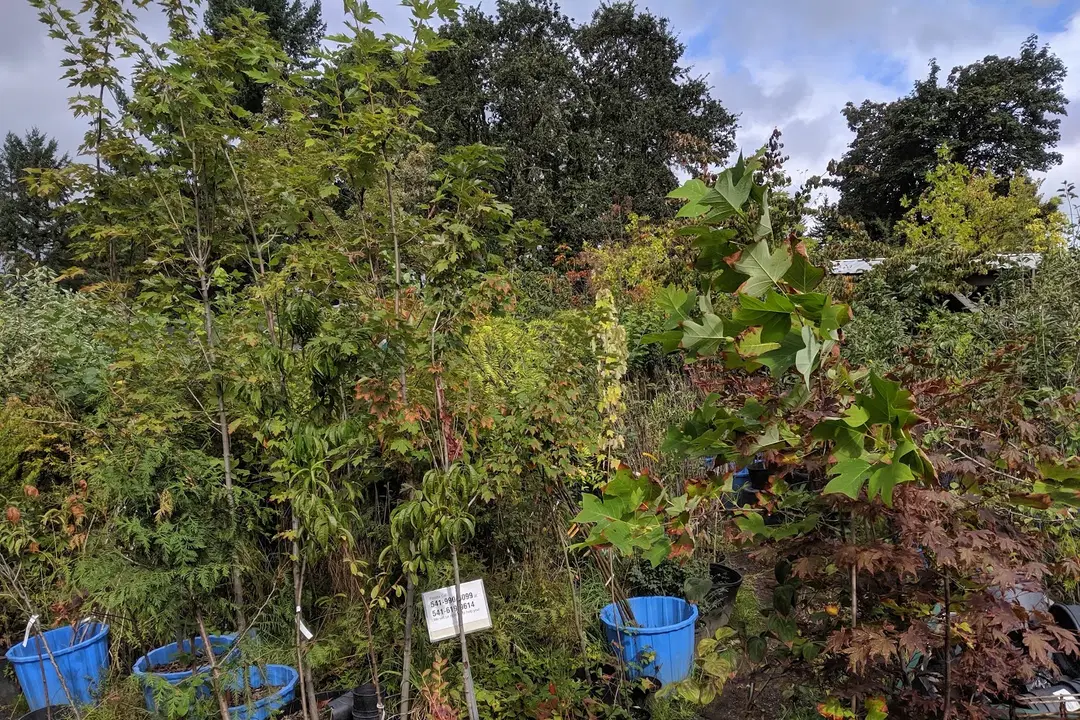 On site
Albany, OR
1option
Listed as “Horseradish Plants - 2 Fully Rooted - Faster Growing Than Bare Root - The Hottest”
Call for pricing
Catalog checked Nov 15, 2026. Confirm availability before visiting.
Showing 1 to 7 of 7 nurseries
Explore the complete plant collection, including varieties with no nursery listings yet.
Horseradish (Armoracia rusticana) is a perennial herb belonging to the Brassicaceae family, which also includes mustard, wasabi, broccoli, and cabbage. Native to southeastern Europe and western Asia, it is now cultivated worldwide for its pungent root. The plant is characterized by its large, coarse, and elongated basal leaves that can grow up to two feet in length, forming a rosette. In summer, it produces panicles of small, white, four-petaled flowers on tall stems that can reach up to five feet in height. The plant's most notable feature is its large, fleshy taproot, which is harvested for its spicy flavor.
Horseradish is a vigorous and hardy plant that thrives in full sun and deep, rich, moist, and well-drained soil. It is typically propagated from root cuttings and can become invasive if not managed, as even small pieces of root left in the ground can sprout into new plants. The plant is known for its rapid growth and tendency to form large, spreading colonies. While generally robust, horseradish can be susceptible to certain pests like flea beetles and cabbage worms. Harvesting is usually done in the fall, after the first frost has killed the leaves, which is when the root's flavor is at its peak.
The primary use of horseradish is culinary. The root is grated and mixed with vinegar to create a pungent condiment that is served with meat, fish, and other dishes. The sharp flavor comes from the release of mustard oils when the root cells are crushed. In addition to its culinary applications, horseradish has a long history of medicinal use. It has been traditionally used as a stimulant, antiseptic, and diuretic, and to treat a variety of ailments, including respiratory and urinary tract infections. The leaves are also edible but are not as commonly consumed as the root.