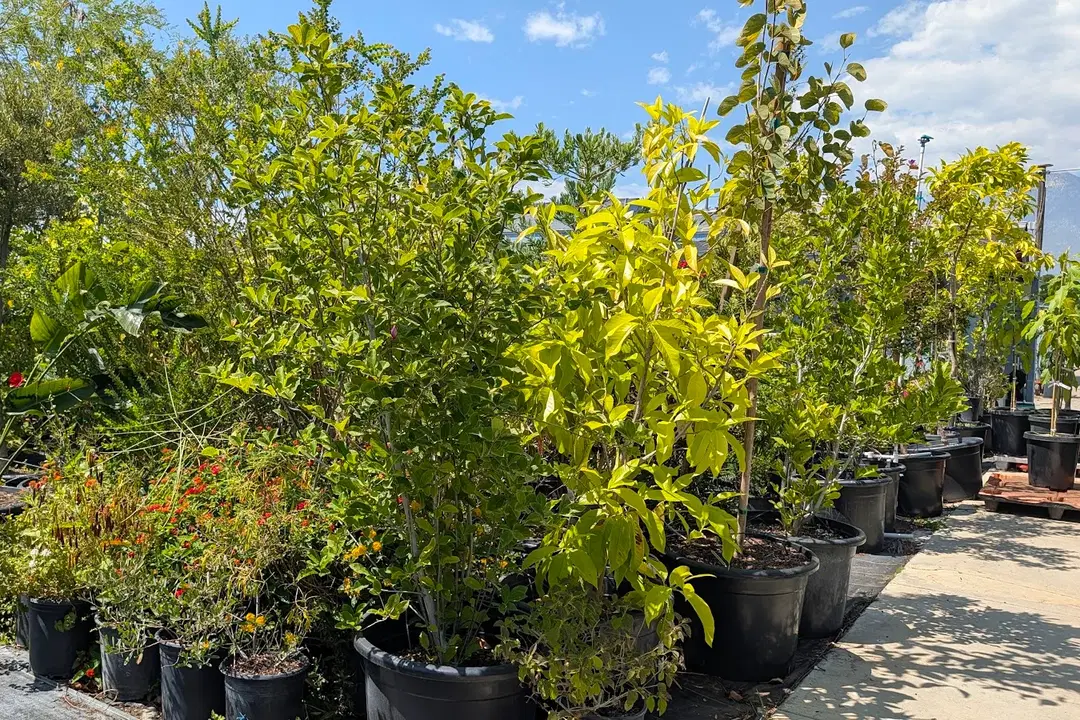
 On site
C&J Gardening Center
Rancho Cucamonga, CA
2options
Listed as “Sugar Cane Jujube”
Sugar Cane15 gal · 36-48 in tallOne of 2 nursery listingsCall for pricing
Catalog checked Nov 15, 2026. Confirm availability before visiting.
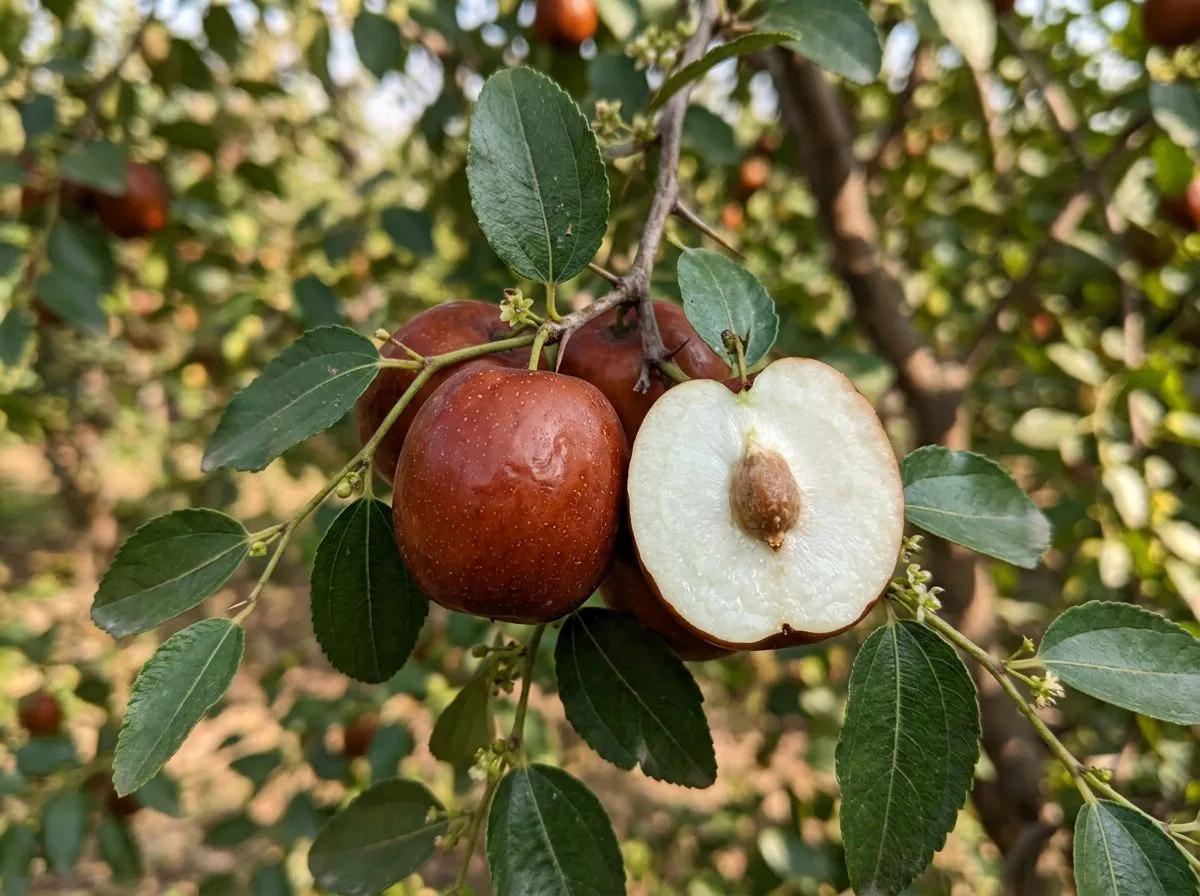
Ziziphus jujuba
'Sugar Cane' came to the United States not from China but from the Nikita Botanical Garden on the Crimean Peninsula, imported by James Gilbert in the 1990s under the name Yalta #1 and renamed by Roger Meyer for the way it eats. It also circulates under the trademark Coco. Read more
Choose a city or ZIP to find nearby growers. Showing nationwide listings until you choose an area.
On siteRancho Cucamonga, CA
2options
Listed as “Sugar Cane Jujube”
Call for pricing
Catalog checked Nov 15, 2026. Confirm availability before visiting.
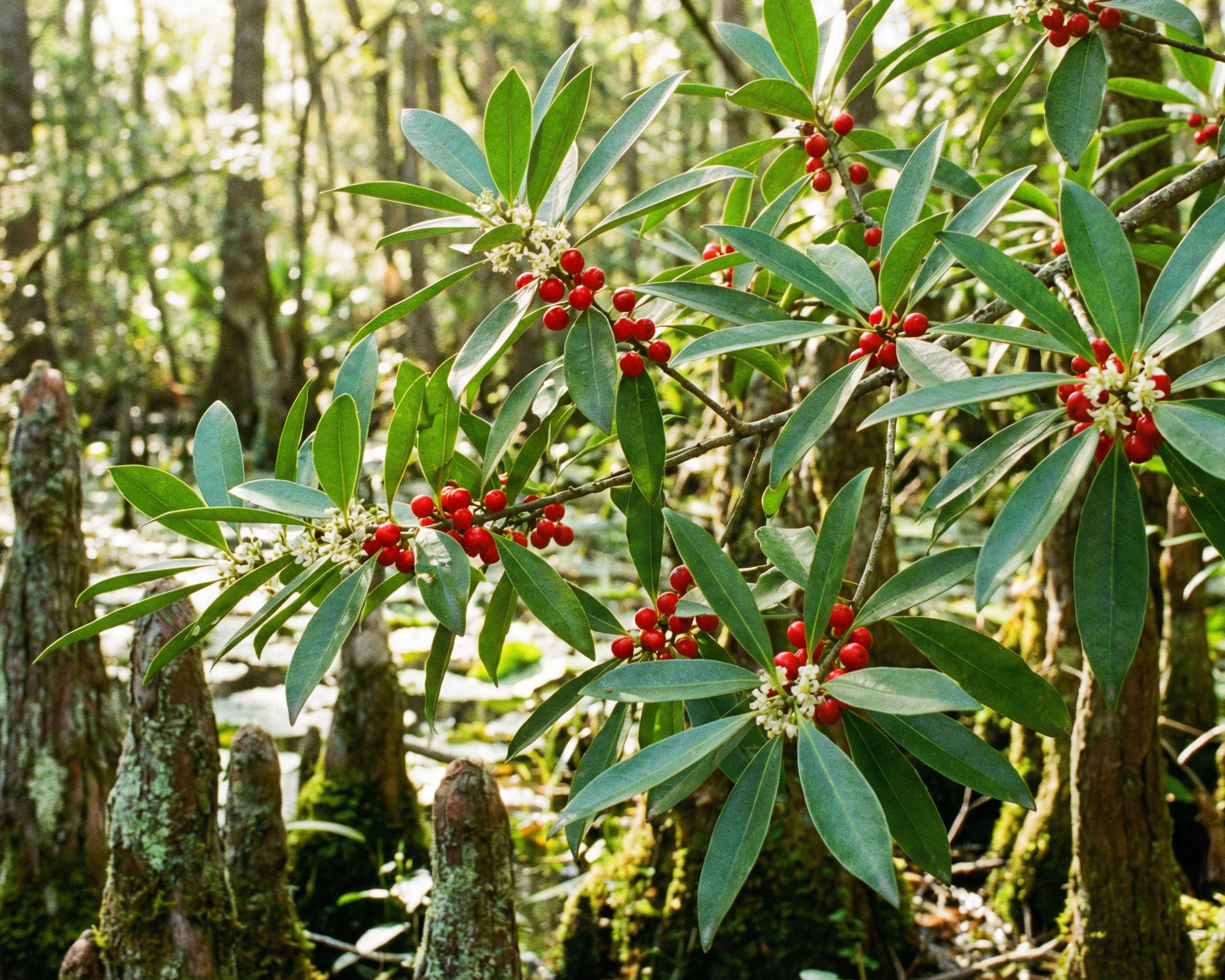
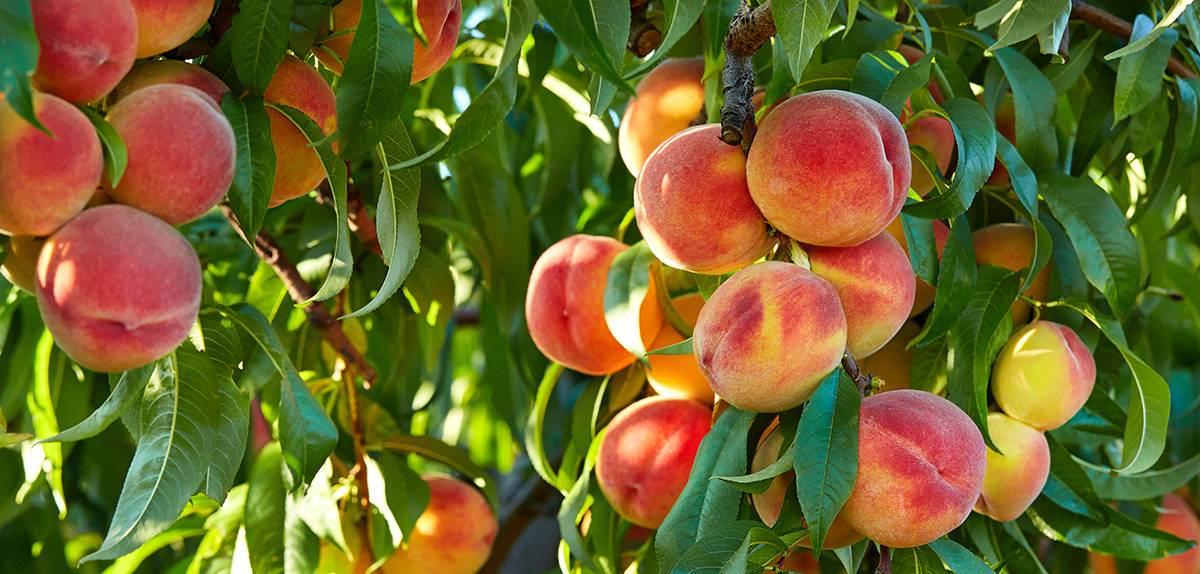 Plants they list
Crawfordville, FL
2options
Listed as “Sugar Cane Jujube Tree”
From $59.99
Catalog checked Nov 15, 2026. Confirm availability before visiting.
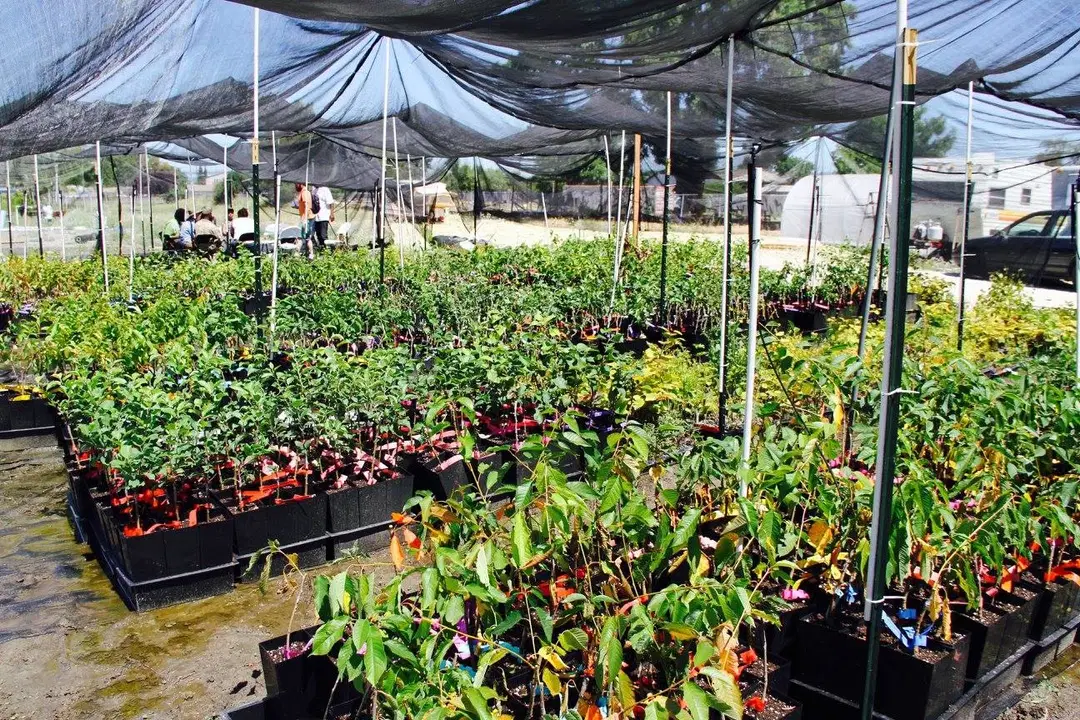 On site
Oakland, CA
2options
Listed as “Sugar Cane Jujube (Ziziphus jujuba)”
Call for pricing
Catalog checked Nov 15, 2026. Confirm availability before visiting.
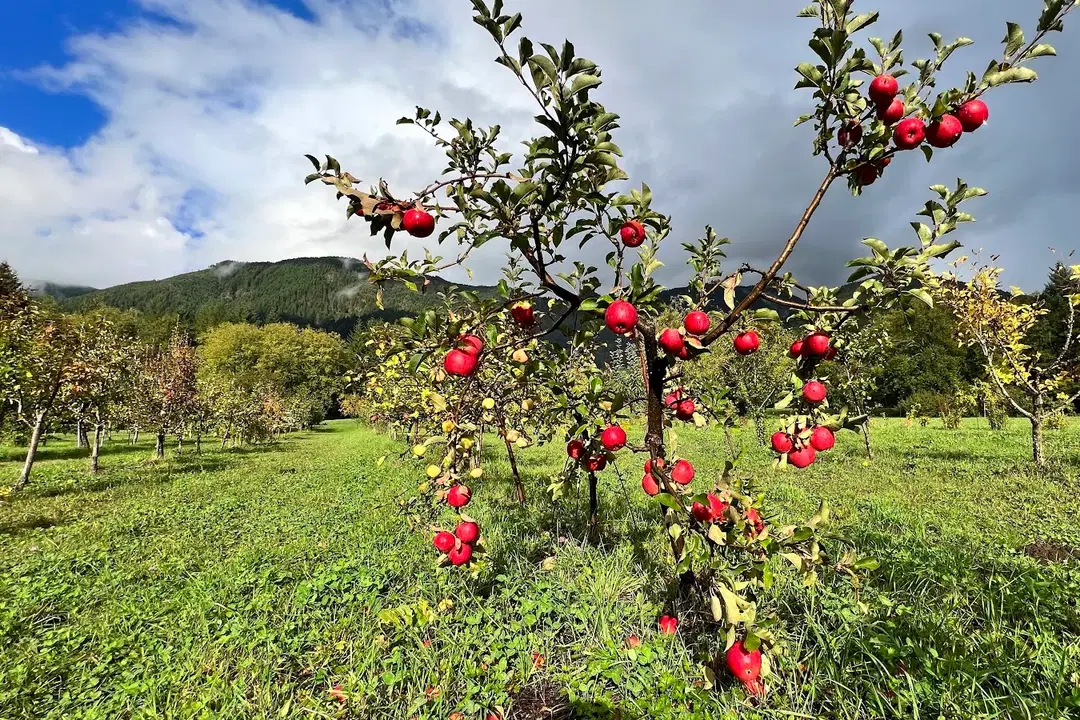 On site
Morton, WA
1option
Listed as “Sugar Cane Jujube”
Call for pricing
Catalog checked Nov 15, 2026. Confirm availability before visiting.
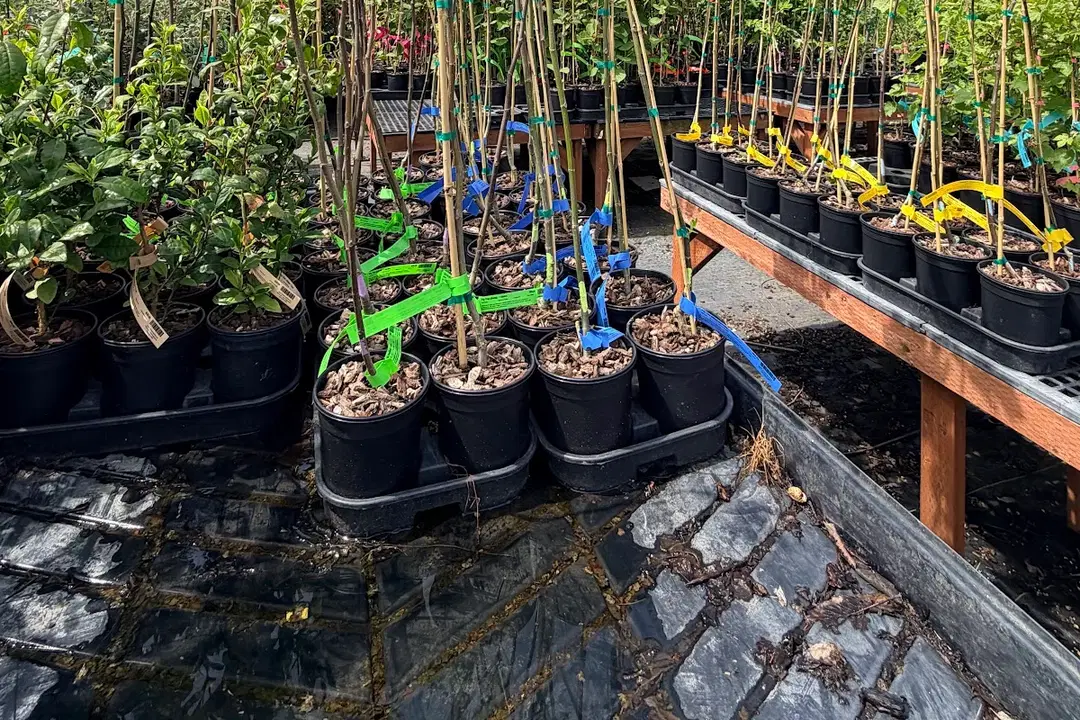 On site
Enumclaw, WA
3options
Listed as “Jujube (Sugar Cane)”
Call for pricing
Catalog checked Sep 29, 2026. Confirm availability before visiting.
Showing 1 to 5 of 5 nurseries
'Sugar Cane' came to the United States not from China but from the Nikita Botanical Garden on the Crimean Peninsula, imported by James Gilbert in the 1990s under the name Yalta #1 and renamed by Roger Meyer for the way it eats. It also circulates under the trademark Coco. NMSU groups it as a genuine multipurpose cultivar: the fruit is small enough to be a snacking jujube and sweet enough to dry well, and the tree is productive and adaptable across a wide swath of New Mexico. Its early to mid-season ripening makes it one of the more dependable choices for short-season and marginal areas, and it has a reputation for performing especially well in hot desert conditions. The main drawback is thorns — the canopy is genuinely spiny.