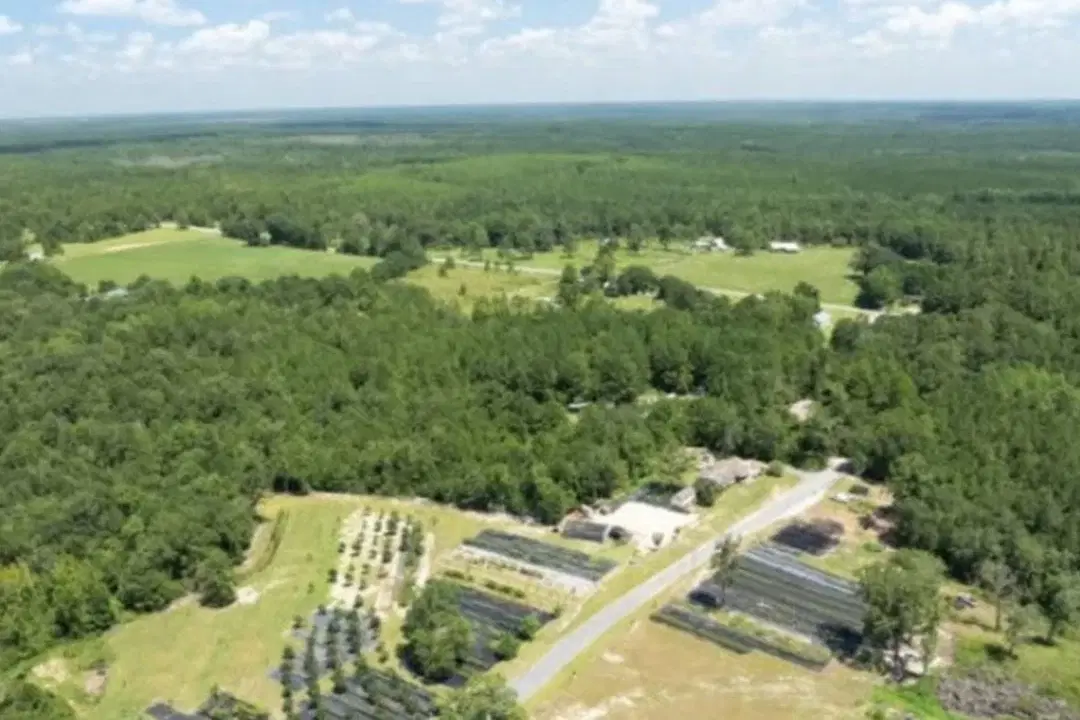
 On site
Advanced Nursery Growers
Defuniak Springs, FL
4options
Listed as “CRAPE MYRTLE MUSKOGEE”
Variety not confirmed1 galLowest priced listingFrom $12.00
Catalog checked Nov 15, 2026. Confirm availability before visiting.
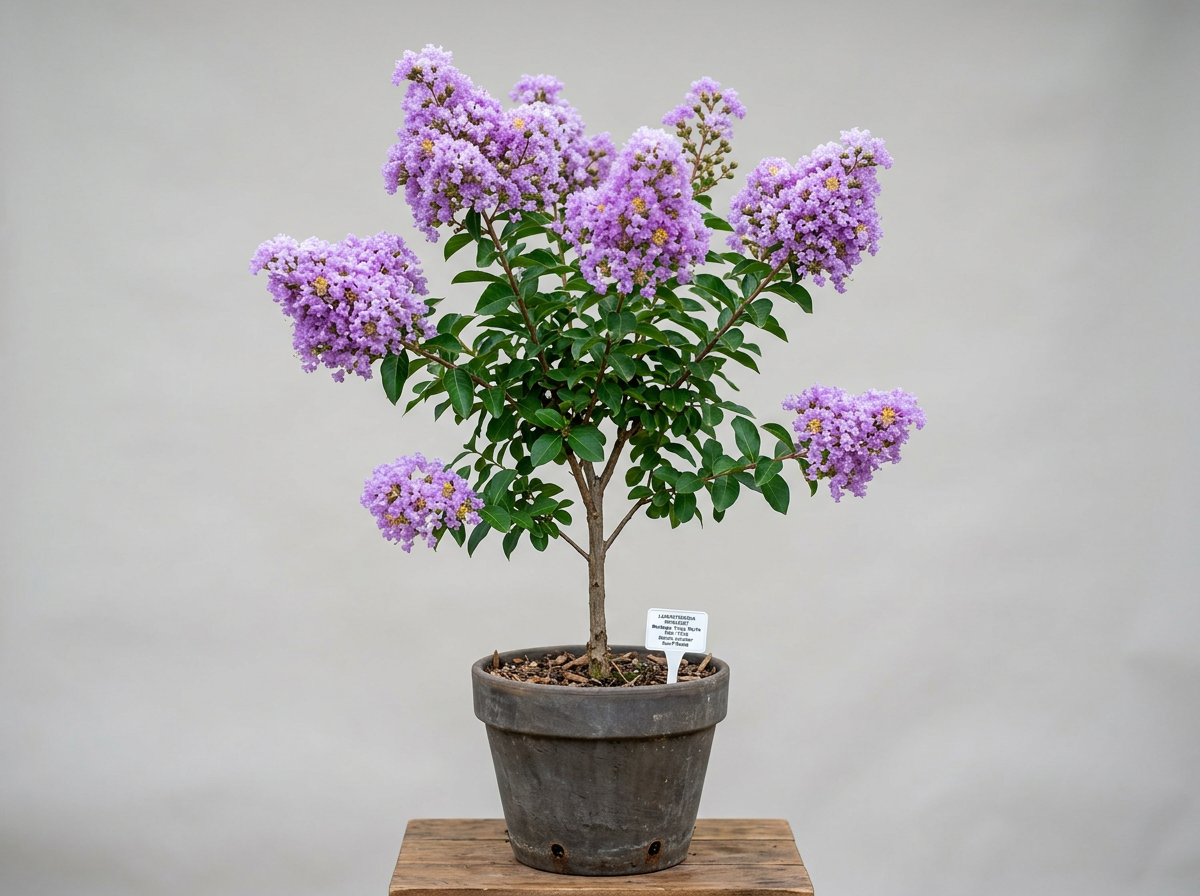
Lagerstroemia 'Muskogee'
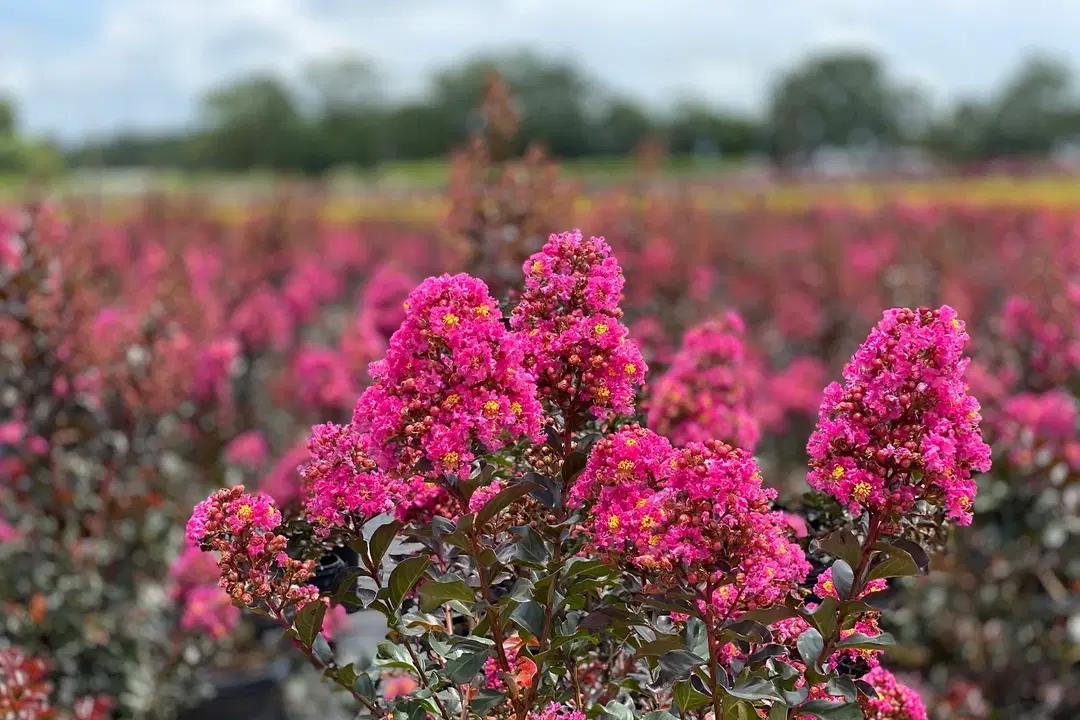
Muskogee Crape Myrtle, Lagerstroemia 'Muskogee', is one of the taller crape myrtles, a deciduous small tree with an upright, vase shaped crown and crepe textured panicles of light lavender pink flowers. Read more
5 nurseries · 20 matching options
Choose a city or ZIP to find nearby growers. Showing nationwide listings until you choose an area.
On siteDefuniak Springs, FL
4options
Listed as “CRAPE MYRTLE MUSKOGEE”
From $12.00
Catalog checked Nov 15, 2026. Confirm availability before visiting.
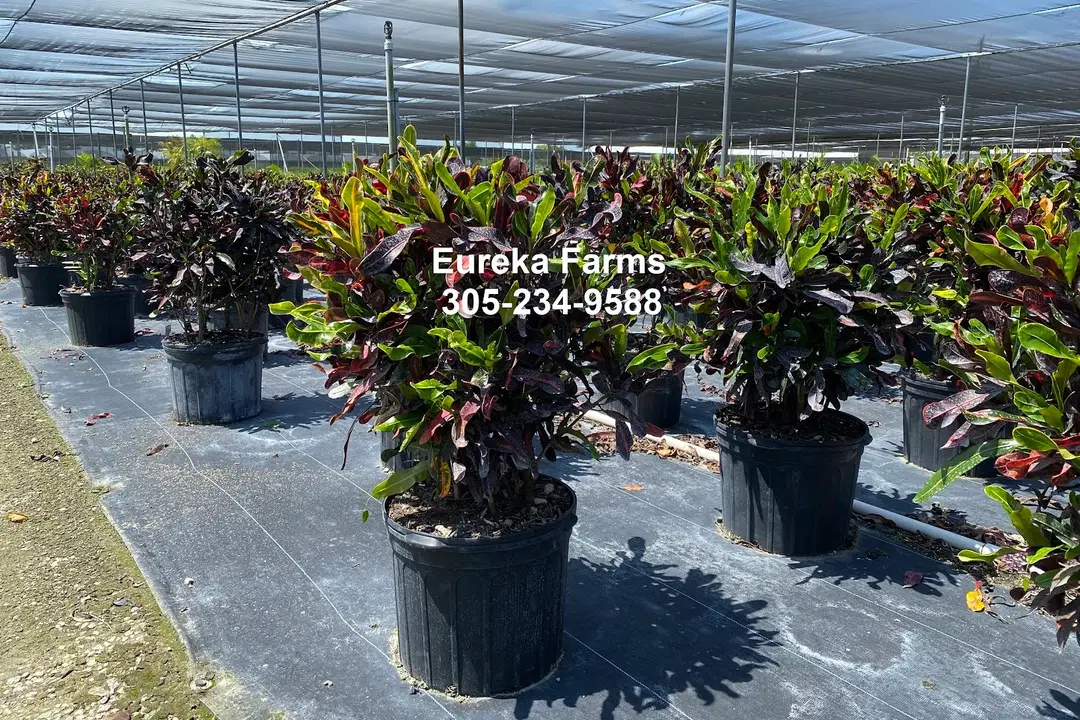 On site
Miami, FL
6options
Listed as “Crape Myrtle Muskogee Tree Purple”
From $29.99
Catalog checked Nov 15, 2026. Confirm availability before visiting.
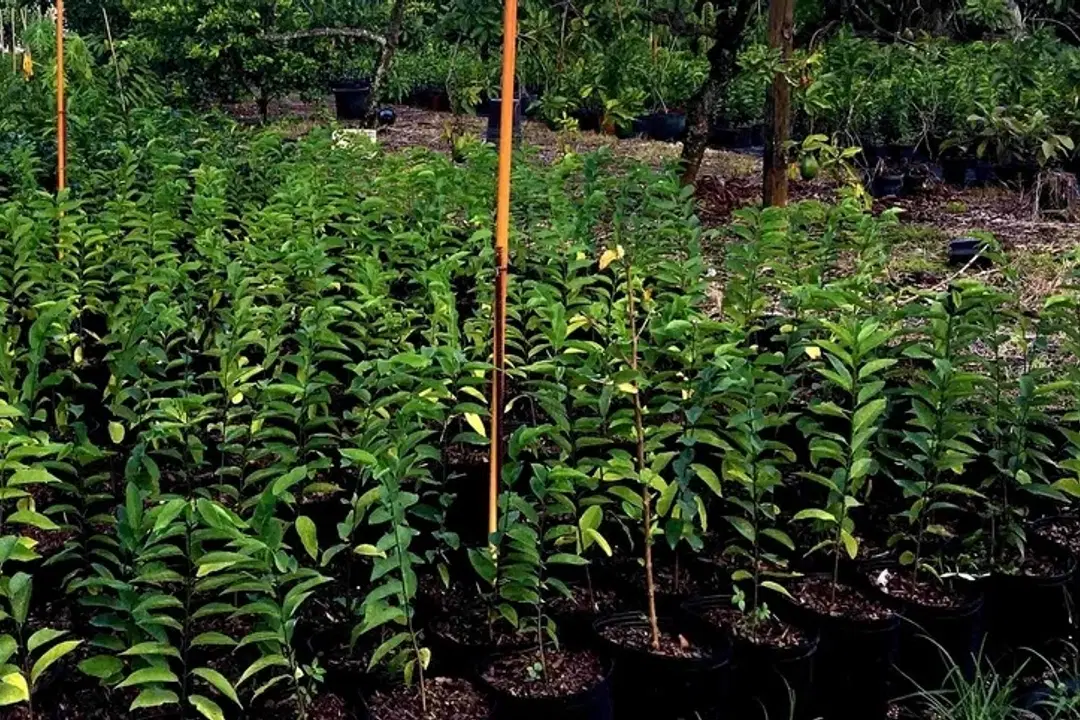 On site
Homestead, FL
1option
Listed as “Muskogee Crape Myrtle Plant”
$48.97
Catalog checked Nov 15, 2026. Confirm availability before visiting.
 On site
Monticello, FL
5options
Listed as “Crape Myrtle - Muskogee”
From $34.95
Catalog checked Nov 15, 2026. Confirm availability before visiting.
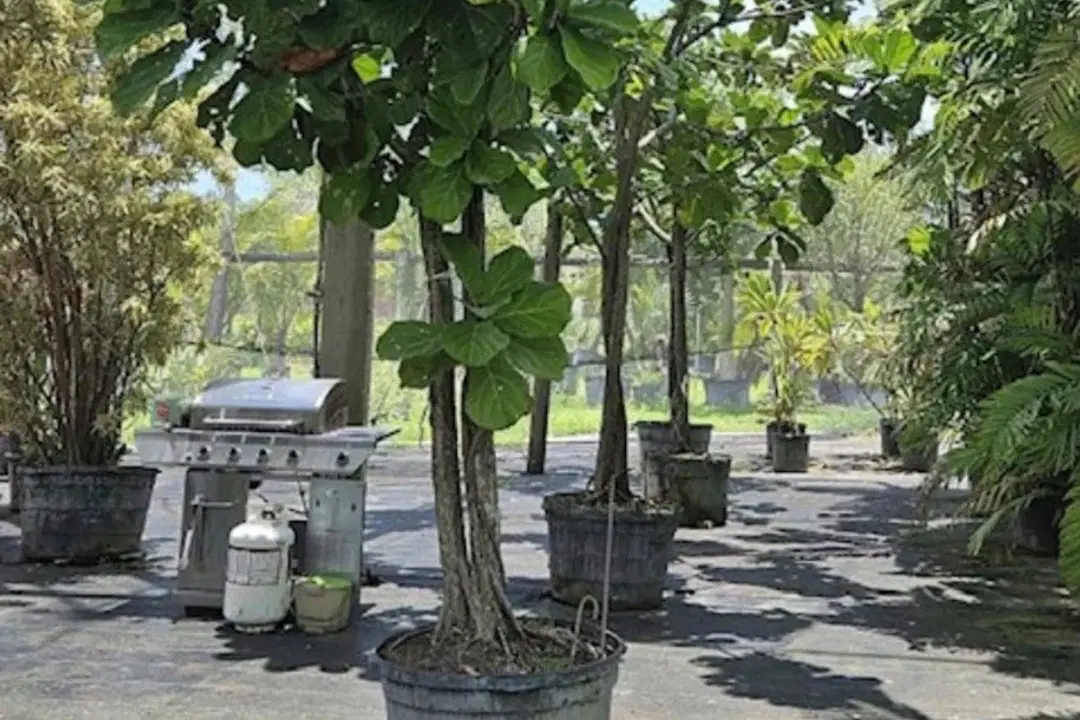 On site
Miami, FL
4options
Listed as “Japanese Crape Myrtle - Lagerstroemia fauriei ‘Muskogee’”
From $312.50
Catalog checked Nov 15, 2026. Confirm availability before visiting.
Showing 1 to 5 of 5 nurseries
Muskogee Crape Myrtle, Lagerstroemia 'Muskogee', is one of the taller crape myrtles, a deciduous small tree with an upright, vase shaped crown and crepe textured panicles of light lavender pink flowers. Bark flakes away in tan and brown patches as the trunks age, and the leaves finish the season in yellow, orange, and red.
Give it full sun, good air circulation, and well drained soil, and water regularly for about two years until it is established, after which it handles drought well. Aerosol salt tolerance is moderate. Hardy in USDA zones 7 to 9, it reaches roughly 20 to 25 feet tall and 15 to 25 feet wide, and flowers open in early summer and keep coming into fall. 'Muskogee' is a Lagerstroemia indica and Lagerstroemia fauriei hybrid from the US National Arboretum, bred for powdery mildew resistance; aphids favor it, so sooty mold can follow.