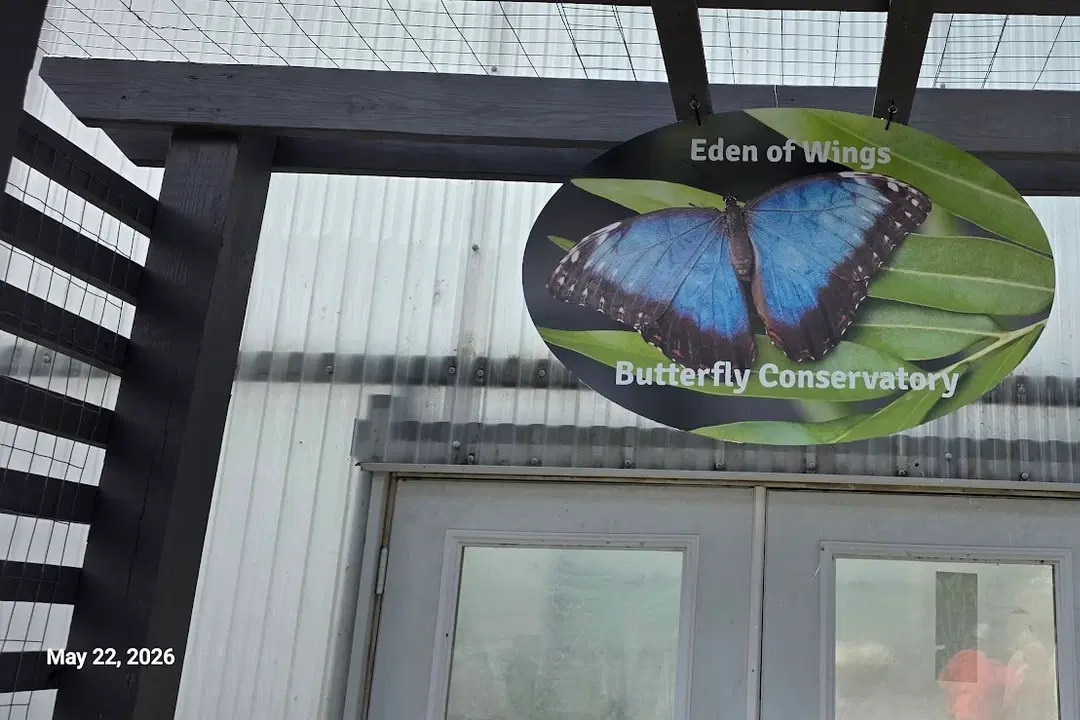
 On site
Eden of Wings
Enterprise, FL
1option
Listed as “Lantana Depressa "Pineland Lantana"”
Variety not confirmedAsk about sizesCall for pricing
Catalog checked Nov 15, 2026. Confirm availability before visiting.
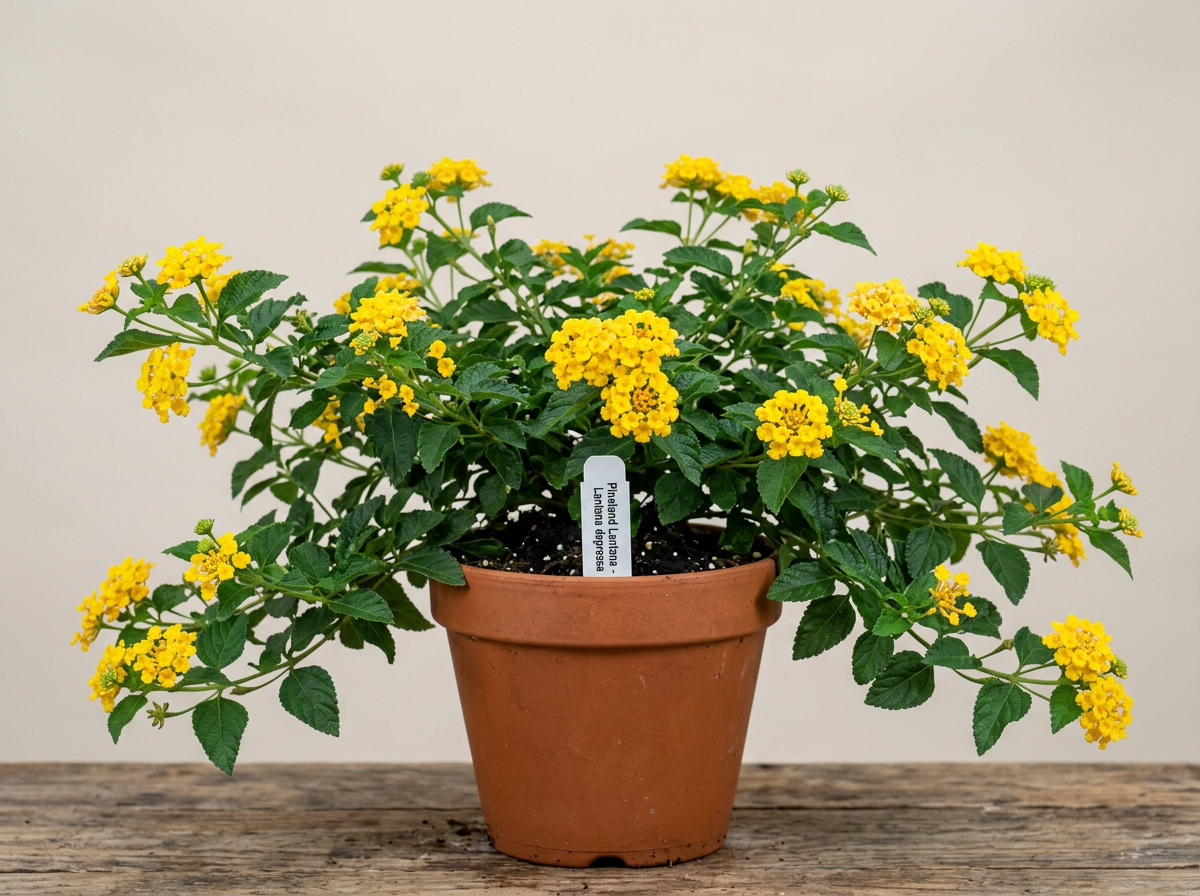
Lantana depressa
Pineland Lantana is a low, spreading evergreen shrub endemic to Florida, where Lantana depressa grows in pine rockland and coastal upland habitat. Read more
5 nurseries · 10 matching options
Choose a city or ZIP to find nearby growers. Showing nationwide listings until you choose an area.
On siteEnterprise, FL
1option
Listed as “Lantana Depressa "Pineland Lantana"”
Call for pricing
Catalog checked Nov 15, 2026. Confirm availability before visiting.
 Plants they list
Groveland, FL
2options
Listed as “Pineland Lantana / Lantana depressa+”
Call for pricing
Catalog checked Oct 2, 2026. Confirm availability before visiting.
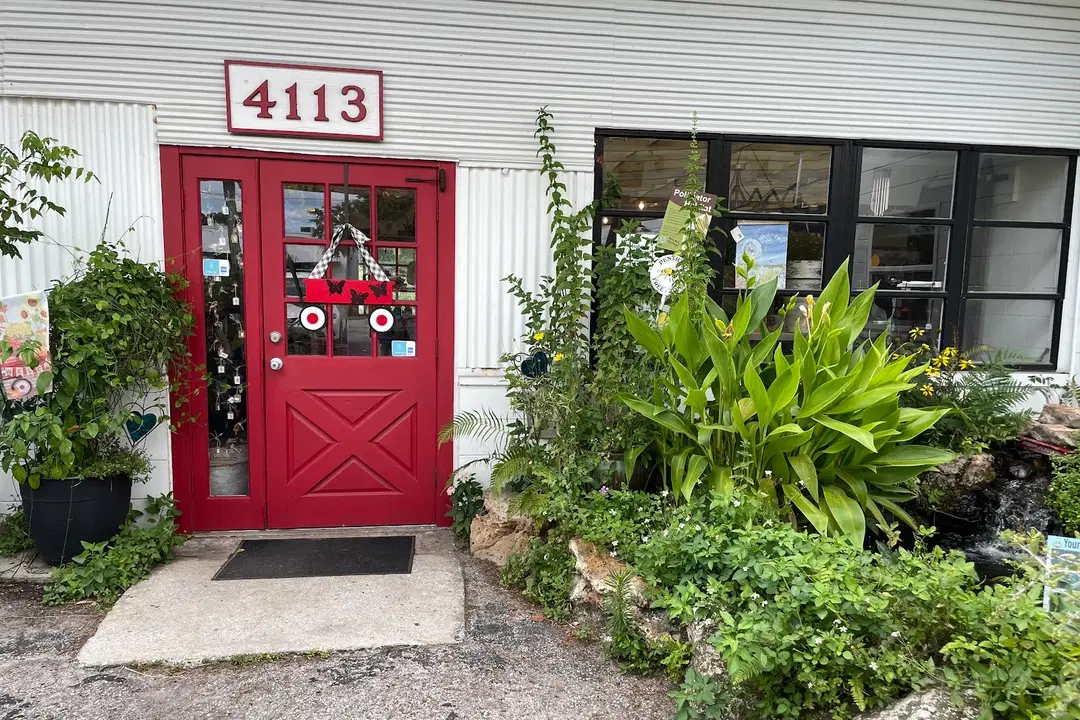 On site
Tampa, FL
2options
Listed as “Pineland Lantana (Lantana depressa var. floridana)”
From $10.00
Catalog checked Nov 15, 2026. Confirm availability before visiting.
 Plants they list
Parrish, FL
1option
Call for pricing
Catalog check date not provided. Confirm availability before visiting.
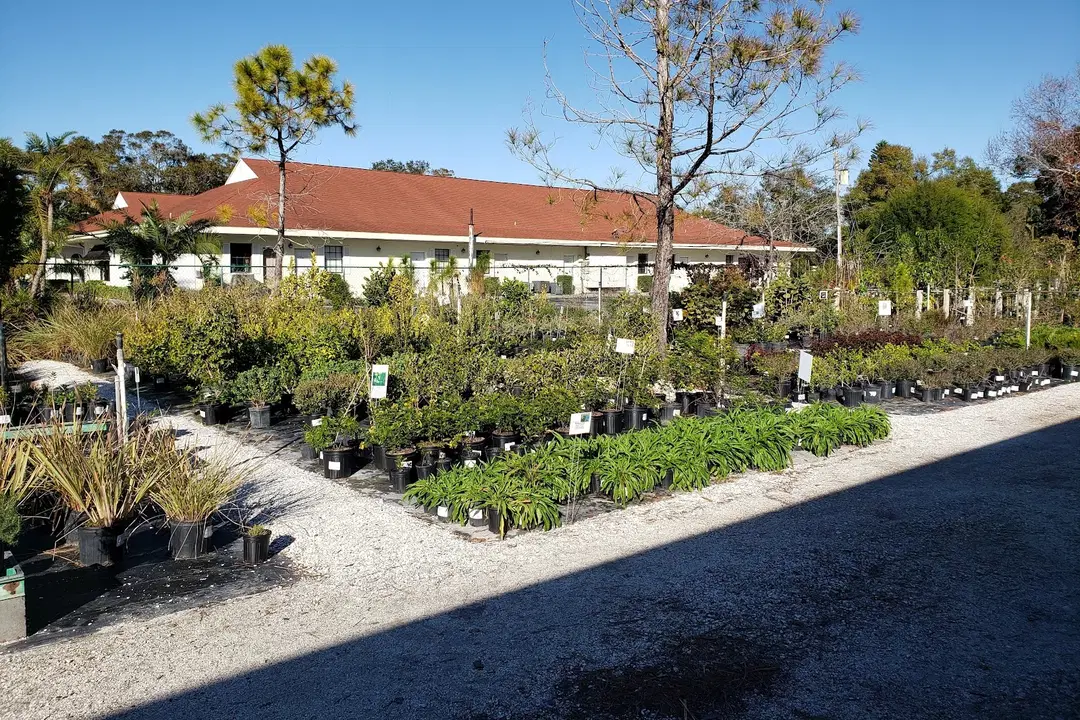 On site
Largo, FL
4options
Listed as “Pineland Lantana Var. depressa”
From $9.99
Catalog checked Nov 15, 2026. Confirm availability before visiting.
Showing 1 to 5 of 5 nurseries
Pineland Lantana is a low, spreading evergreen shrub endemic to Florida, where Lantana depressa grows in pine rockland and coastal upland habitat. Dense clusters of small bright yellow flowers cover it nearly year round, and unlike the invasive hybrid lantanas the flowers never turn multicolored with age.
Give it full sun and sandy or limestone soil with sharp drainage; it takes heat, drought, and moderate salt spray, but not soggy ground or saltwater flooding. Growing about 1 to 2 feet tall and 3 to 5 feet wide, it suits groundcover and low border planting in USDA zones 10 and 11, and it feeds butterflies, moths, and bees. It is state listed as endangered and hybridizes with the invasive Lantana strigocamara, so cutting grown stock from native plant nurseries stays true to the species. Like other lantanas, the foliage and unripe fruit are toxic if eaten.