Lilly pilly
Syzygium spp.
3 nurseries listed
Compare nurseries
3 nurseries · 7 matching options
3 locations on the map. Select a marker or a nursery to compare.
Preparing the map…
Your location isn’t saved. Confirm availability and visiting hours with the nursery.
About Lilly pilly
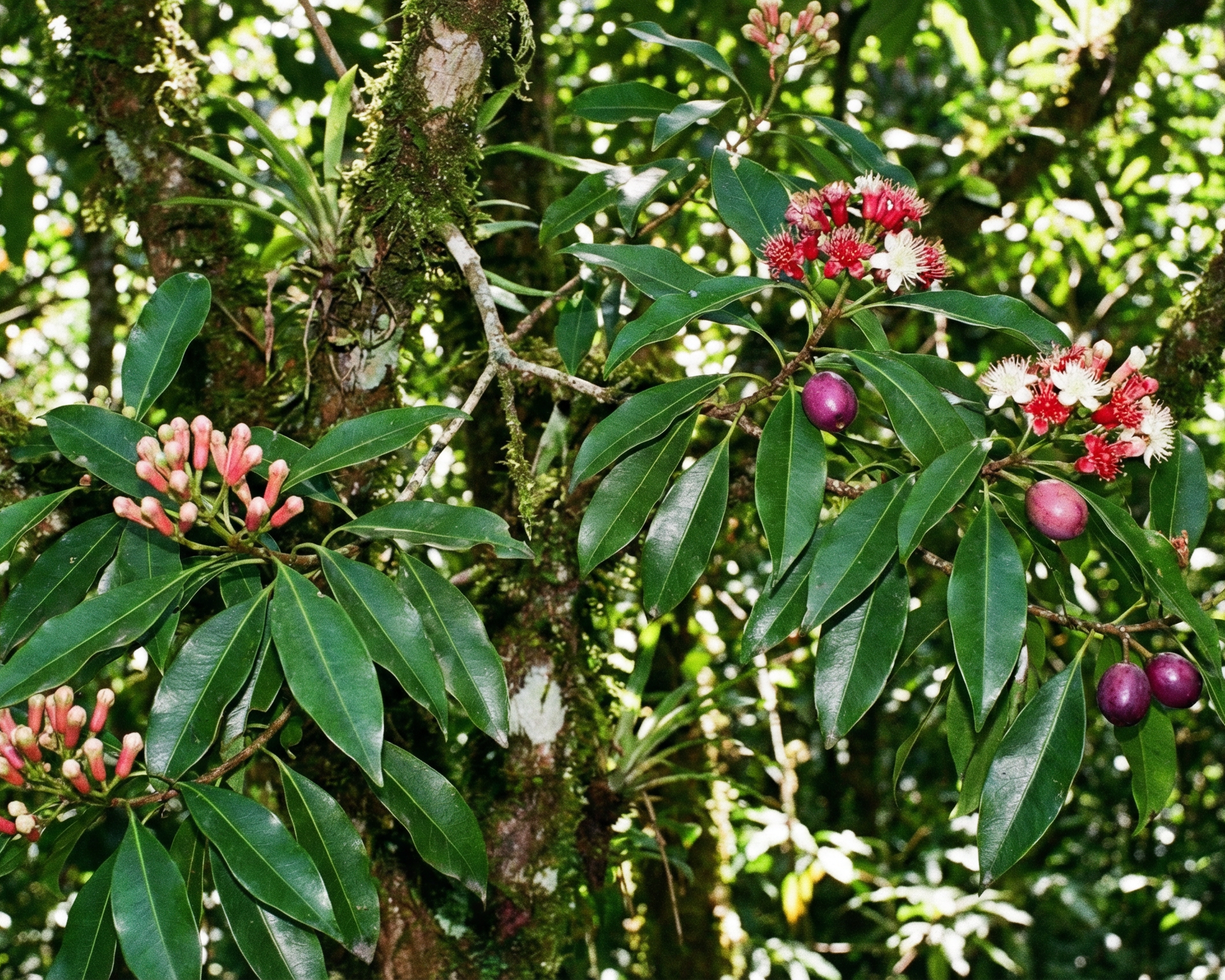
The genus Syzygium is a large and diverse group of evergreen trees and shrubs belonging to the Myrtle family (Myrtaceae). With over 1,200 species, Syzygium has a wide native distribution, stretching from Africa and Madagascar through southern Asia and extending to the Pacific. In Australia, these plants are commonly known as lilly pillies, brush cherries, or satinash, and are a prominent feature of the landscape. The genus is noted for its glossy, aromatic leaves, which are often arranged in opposite pairs. The foliage can vary in color, with many species producing new growth in vibrant shades of red, pink, or bronze. Key characteristics of the Syzygium genus include the production of small, often fragrant, white or pinkish flowers that are borne in clusters. These flowers are followed by fleshy, berry-like fruits that range in color from white and pink to red, purple, and dark blue. The fruits of many species are edible and are often used to make jams, jellies, and other culinary preparations. The trees themselves are popular in horticulture and are frequently used as ornamental plants, hedges, and screening trees due to their dense growth habit and attractive appearance. Some of the most well-known species include Syzygium aromaticum, the source of cloves, and Syzygium cumini, the Java plum. The significance of the Syzygium genus extends beyond its ornamental use. Many species have a long history of use in traditional medicine across various cultures. For example, cloves (Syzygium aromaticum) are a well-known spice and have been used for centuries to treat a variety of ailments, including digestive issues and nausea. The Java plum (Syzygium cumini) is also recognized for its medicinal properties and is used in the treatment of metabolic disorders. In permaculture and ecological landscaping, lilly pillies are valued for their ability to attract birds and other wildlife, which are drawn to their fruits and flowers. Their dense foliage also provides excellent habitat for various animal species.
Plant facts
- Sun
- Full Sun, Partial Sun, Partial Shade
- Water
- Regular, Drought Tolerant
- USDA zones
- 9-12
- Lifecycle
- Perennial
Variety guides
Explore the complete plant collection, including varieties with no nursery listings yet.