 On site
Advanced Nursery Growers
Defuniak Springs, FL
2options
Listed as “Lily Asiatic”
Variety not confirmedAsk about sizesLowest priced listingFrom $8.00
Catalog checked Nov 15, 2026. Confirm availability before visiting.
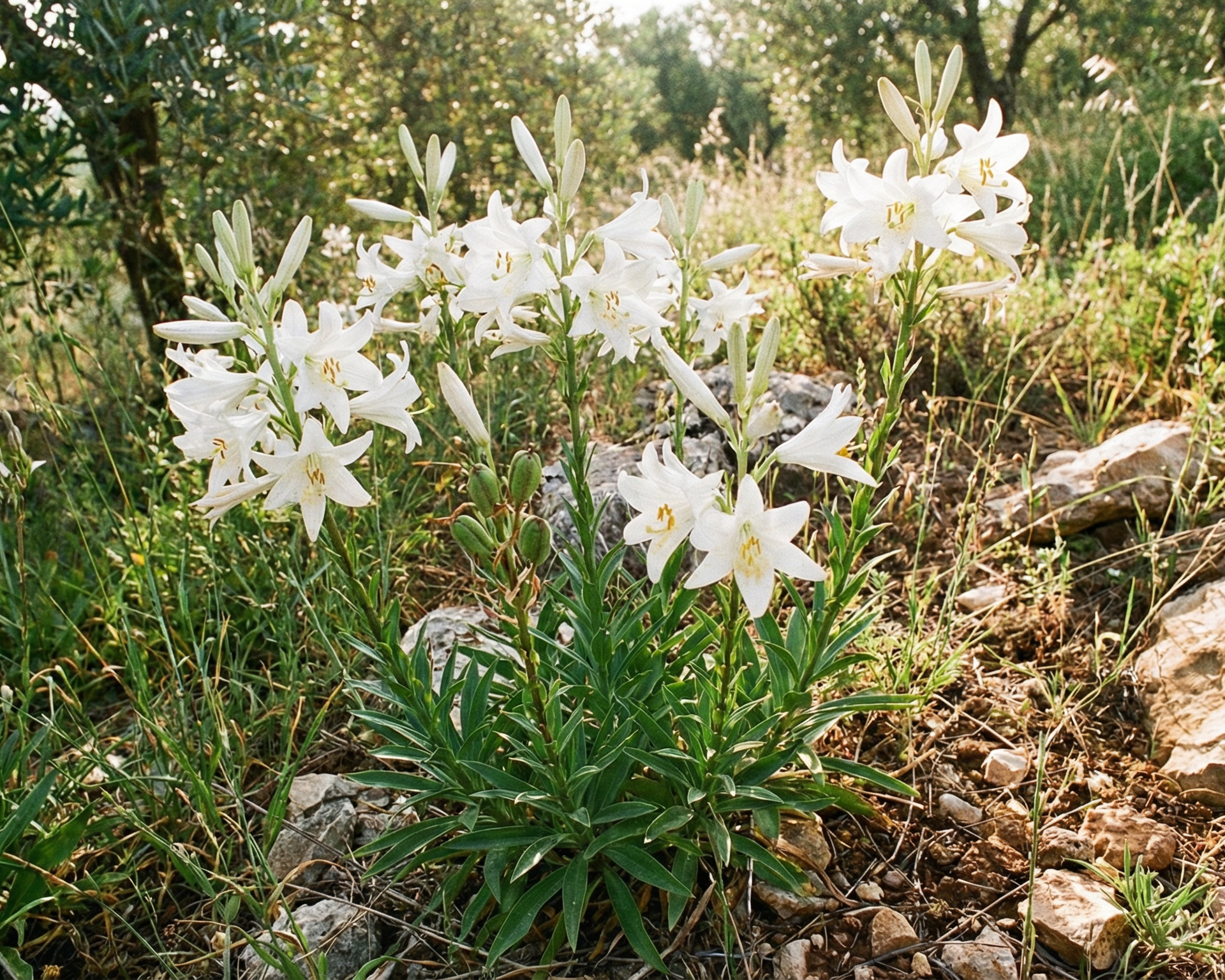
Lilium spp.
Lilium, commonly known as lily, is a genus of herbaceous flowering plants grown from bulbs. With over 100 species, lilies are a diverse group found in the temperate regions of the Northern Hemisphere, particularly in Asia. Read more
12 nurseries · 31 matching options
Choose a city or ZIP to find nearby growers. Showing nationwide listings until you choose an area.
On siteDefuniak Springs, FL
2options
Listed as “Lily Asiatic”
From $8.00
Catalog checked Nov 15, 2026. Confirm availability before visiting.
 On site
Portland, OR
6options
Listed as “Lilium columbianum 1gal Tiger Lily”
Call for pricing
Catalog checked Nov 15, 2026. Confirm availability before visiting.
 On site
Laingsburg, MI
1option
Listed as “Wood Lily, Lilium Philadelphicum”
$5.00
Catalog checked Nov 15, 2026. Confirm availability before visiting.
 On site
Vassalboro, ME
1option
Listed as “Lilium superbum (Turk's Cap Lily)”
Call for pricing
Catalog checked Nov 15, 2026. Confirm availability before visiting.
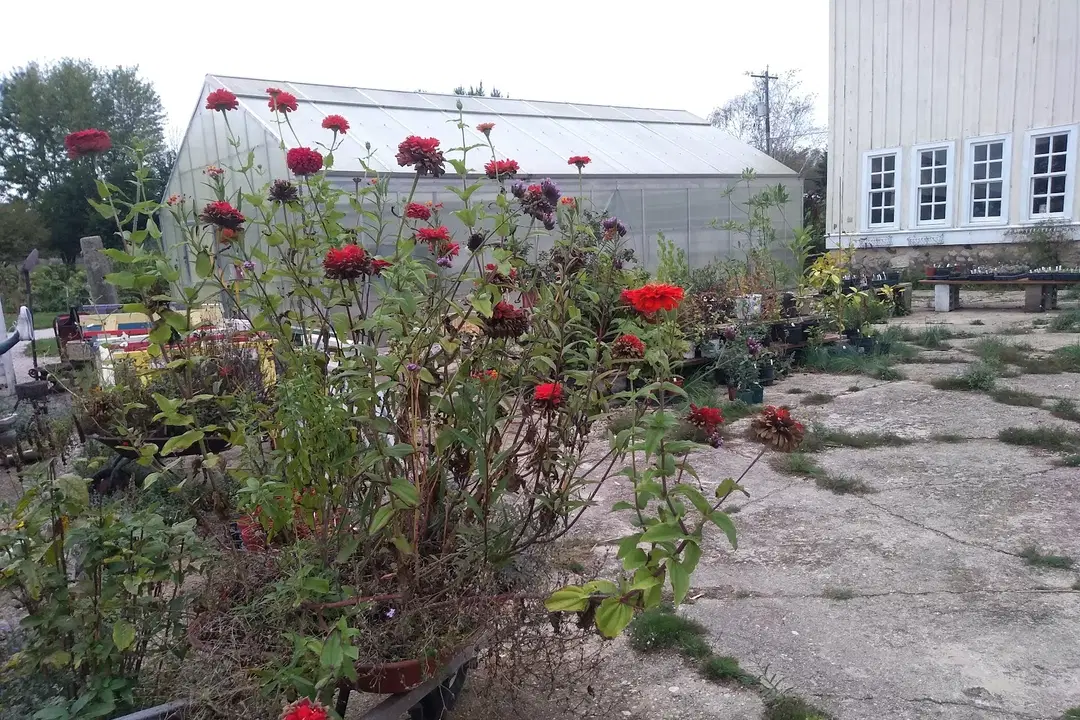 On site
Mukwonago, WI
8options
Listed as “Lilium lancifolium Tiger lily, in Japan called “oniyuri” Z 2-7”
From $10.95
Catalog checked Nov 15, 2026. Confirm availability before visiting.
 On site
San Francisco, CA
1option
Listed as “Lilium pardalinum”
Call for pricing
Catalog checked Nov 15, 2026. Confirm availability before visiting.
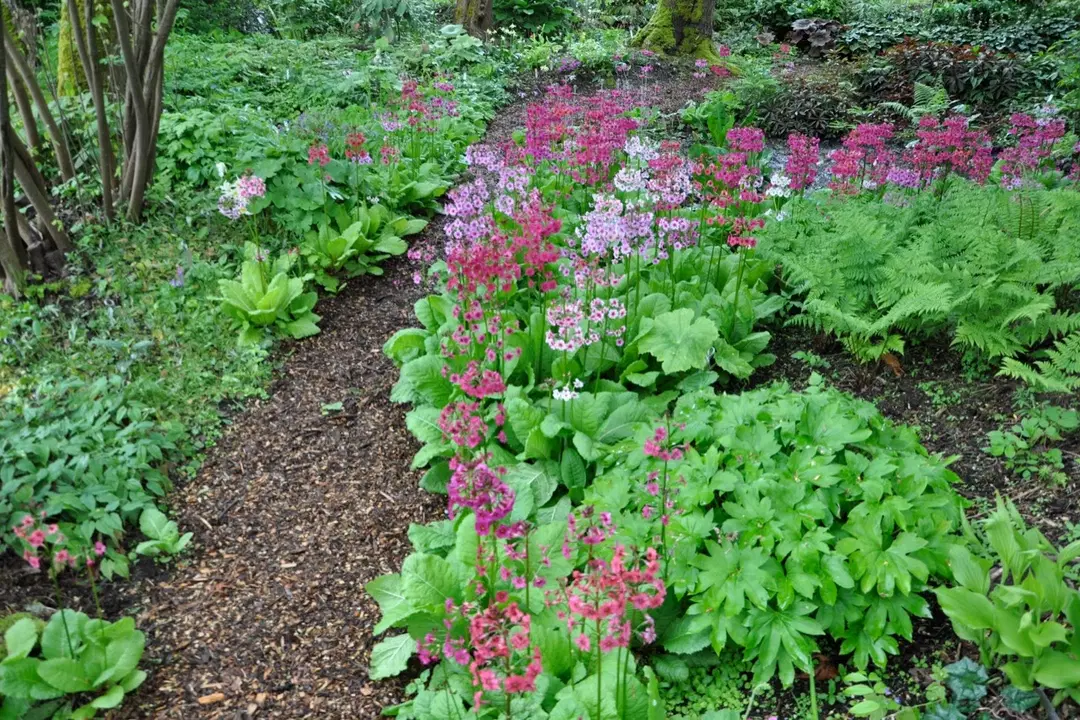 On site
Stanwood, WA
4options
Listed as “Lilium columbianum (Columbia Lily)”
Call for pricing
Catalog checked Nov 15, 2026. Confirm availability before visiting.
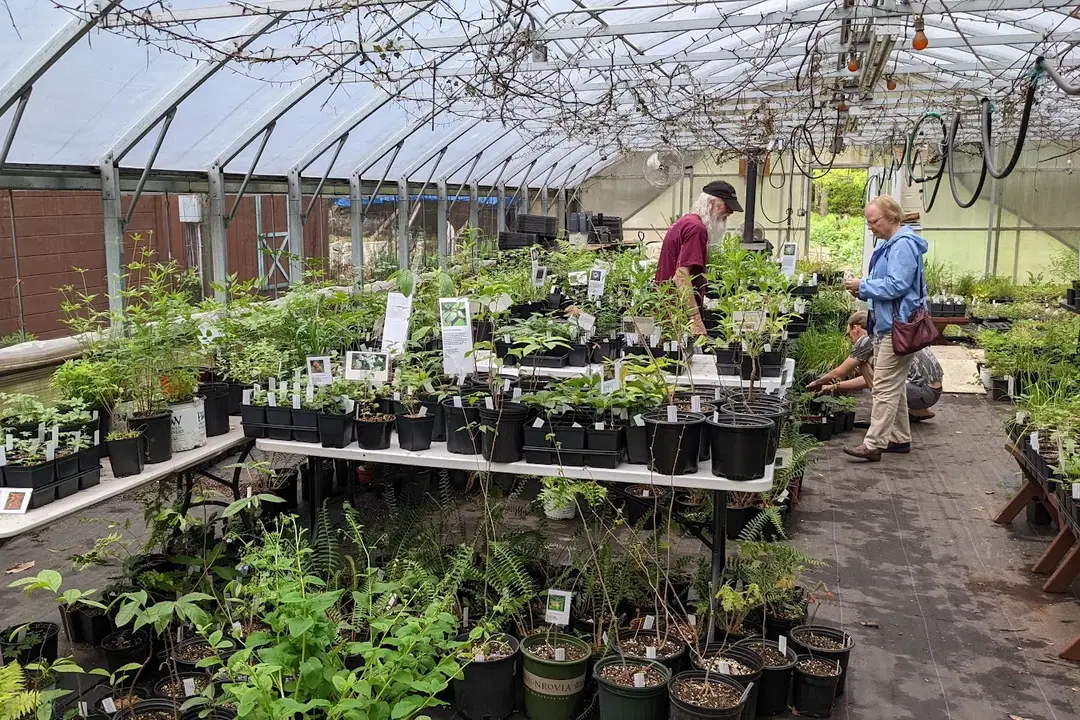 On site
Robesonia, PA
2options
Listed as “Lilium superbum”
From $10.00
Catalog checked Nov 15, 2026. Confirm availability before visiting.
Showing 1 to 8 of 12 nurseries
Load more nurseriesLilium, commonly known as lily, is a genus of herbaceous flowering plants grown from bulbs. With over 100 species, lilies are a diverse group found in the temperate regions of the Northern Hemisphere, particularly in Asia. They are prized for their large, showy, and often fragrant flowers, which come in a wide range of shapes, sizes, and colors. The genus name is the classical Latin name for lilies. True lilies are distinguished from other plants with "lily" in their common name, such as daylilies (Hemerocallis), which are not part of the Lilium genus.
Lilies are characterized by their underground bulbs, which are composed of fleshy scales that store food. From these bulbs, a single, unbranched stem emerges, bearing leaves that can be either scattered along the stem or arranged in whorls. The flowers are the most prominent feature of the plant, typically large and trumpet-shaped, with six tepals (three petals and three sepals of similar appearance). Flower colors range from pure white to vibrant shades of yellow, orange, pink, red, and purple, often with spots or brushstrokes. The flowers are usually borne in racemes or umbels at the top of the stem.
Many species of lily are cultivated for their ornamental value and are popular in gardens and as cut flowers. They have a long history of use in various cultures, symbolizing purity, love, and rebirth. Some species, such as Lilium brownii and Lilium lancifolium, have been used in traditional Chinese medicine for their purported medicinal properties. The bulbs of some lily species are edible and have been consumed as a food source in certain parts of the world. In permaculture, lilies can be used in polyculture systems to attract pollinators and beneficial insects.
Lilies are generally hardy plants, but their specific growing requirements vary by species. Most prefer a position in full sun or light shade and well-drained, humus-rich soil. Good drainage is crucial, as the bulbs are susceptible to rot in waterlogged conditions. Planting depth should be about three times the height of the bulb. Once established, lilies require minimal care, but they benefit from regular watering during the growing season and a layer of mulch to keep the roots cool and moist. They are propagated by bulb division, scaling, or from seed.