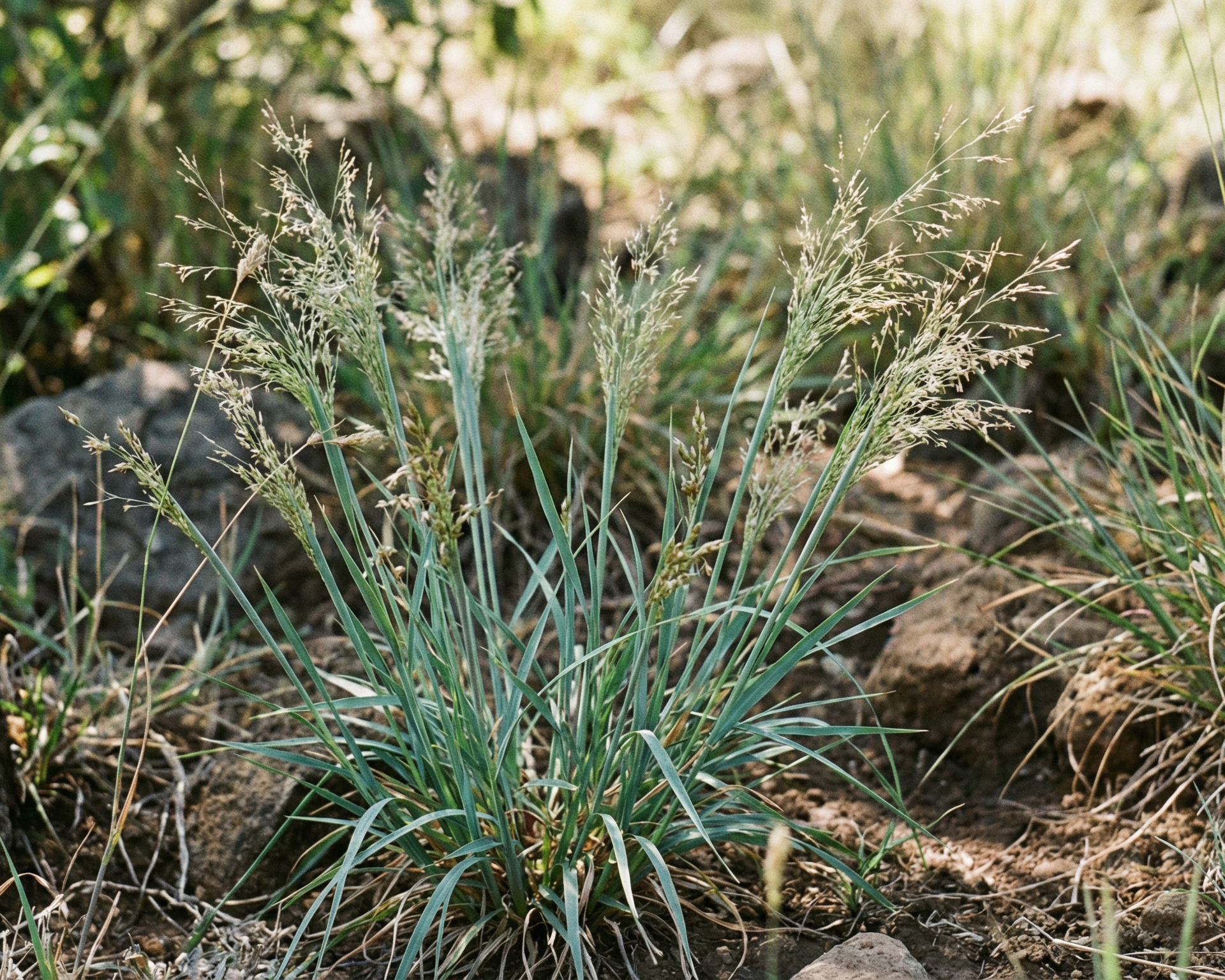
Lovegrass
3 nurseries listed
Compare nurseries
3 nurseries · 7 matching options
3 locations on the map. Select a marker or a nursery to compare.
Preparing the map…
Your location isn’t saved. Confirm availability and visiting hours with the nursery.
About Lovegrass
Eragrostis, commonly known as lovegrass, is a large and widespread genus of grasses in the Poaceae family, found on every inhabited continent. The name is derived from the Greek words eros, meaning "love," and agrostis, meaning "grass." This diverse genus encompasses around 350 species, ranging from annuals to perennials, and they are adapted to a wide variety of habitats, from deserts to wetlands. Lovegrasses are typically characterized by their fibrous root systems and tufted growth habit, forming dense clumps. The leaves are usually flat and linear, and the inflorescences are open, airy panicles with numerous small spikelets. These spikelets are often flattened and contain several florets. The overall appearance of the flowering heads can be quite delicate and ornamental, contributing to their use in landscaping. Some species, like purple lovegrass (Eragrostis spectabilis), are noted for their colorful, cloud-like inflorescences that appear in late summer. Many species of Eragrostis are of significant economic and ecological importance. Several species are used as forage for livestock, and their deep root systems make them valuable for erosion control, particularly on disturbed or sandy soils. A notable member of the genus is teff (Eragrostis tef), a staple food crop in Ethiopia and Eritrea, where its tiny seeds are ground into flour to make injera, a traditional flatbread. Other species are used as ornamental grasses in gardens and landscapes, valued for their fine texture and attractive seed heads. Some species, such as Bahia lovegrass (Eragrostis bahiensis), have been identified as hyperaccumulators of certain elements and have potential for use in phytoremediation to clean up contaminated soils. Lovegrasses are generally easy to cultivate, thriving in full sun and well-drained soils. They are known for their tolerance of drought, heat, and poor, infertile soils, making them a resilient choice for challenging sites. Propagation is typically done by seed, which can be sown directly in the desired location, or by dividing established clumps in the spring. Their low-maintenance requirements and adaptability make them a popular choice for naturalized areas, meadows, and low-input landscapes.
Variety guides
Explore the complete plant collection, including varieties with no nursery listings yet.