 On site
Cornell Farm
Portland, OR
3options
Listed as “Lupinus polyphyllus 1gal Big Leaf Lupine”
Variety not confirmed1 galOne of 3 nursery listingsCall for pricing
Catalog checked Nov 15, 2026. Confirm availability before visiting.

Lupinus spp.
Lupinus, commonly known as Lupine, is a genus of flowering plants in the legume family, Fabaceae. This diverse genus comprises over 200 species, with significant centers of diversity in North and South America, and smaller populations in North Africa and the Mediterranean. Read more
9 nurseries · 16 matching options
On sitePortland, OR
3options
Listed as “Lupinus polyphyllus 1gal Big Leaf Lupine”
Call for pricing
Catalog checked Nov 15, 2026. Confirm availability before visiting.
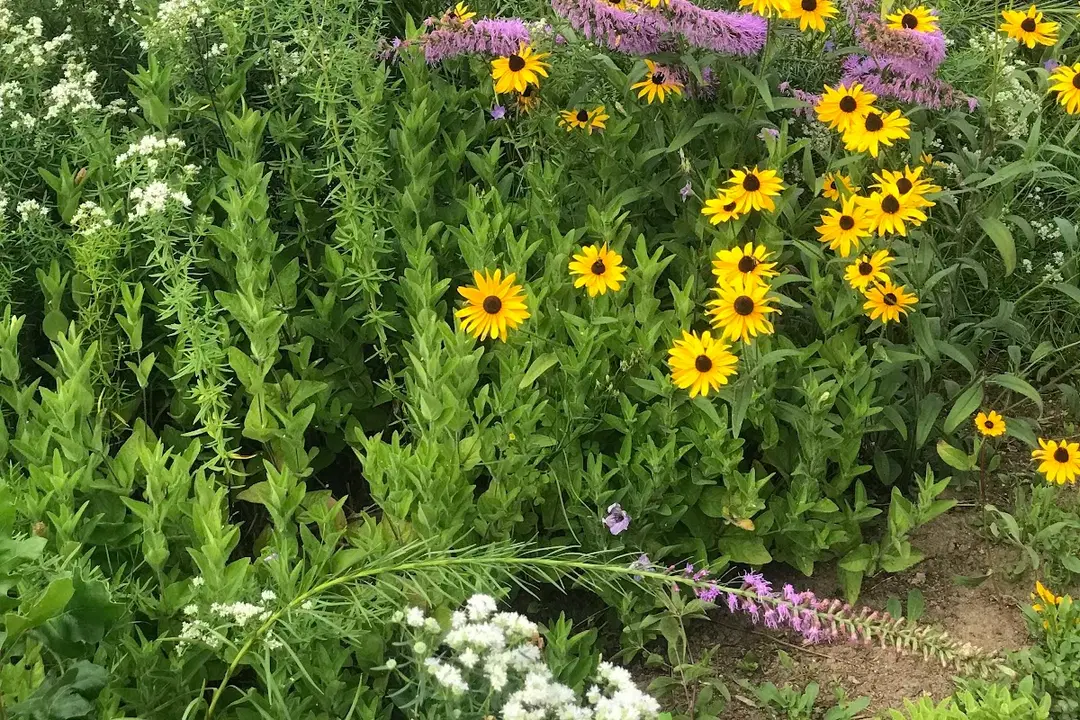 On site
Laingsburg, MI
1option
Listed as “Wild Lupine, Lupinus Perennis”
$5.00
Catalog checked Nov 15, 2026. Confirm availability before visiting.
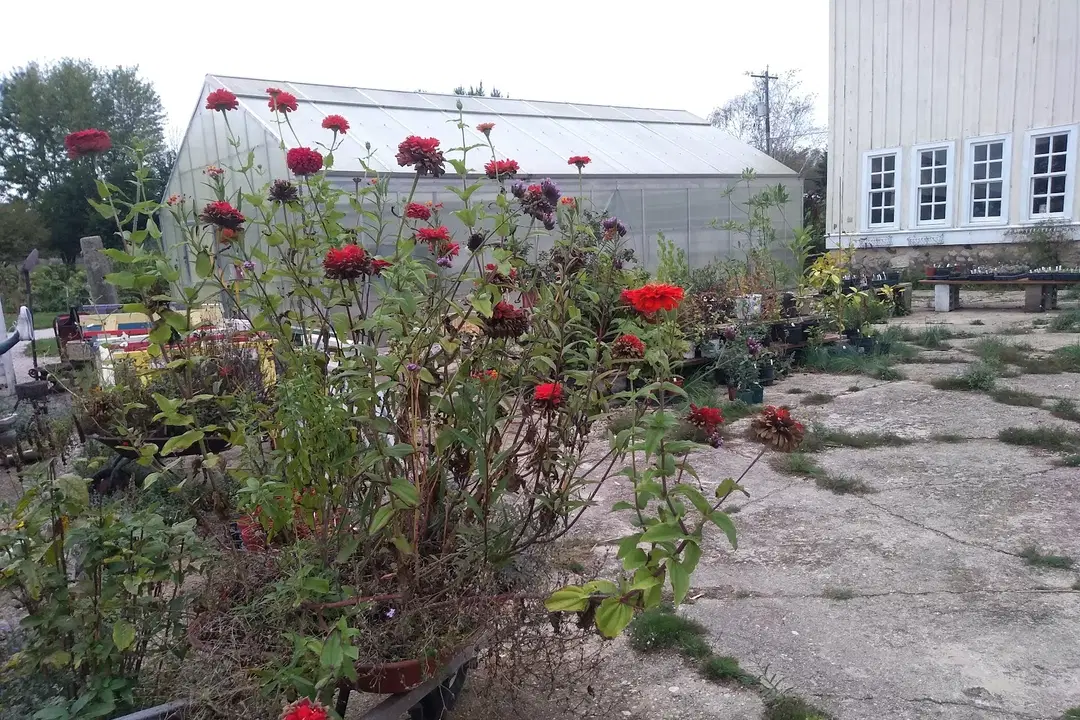 On site
Mukwonago, WI
1option
Listed as “Lupinus perennis Sun-dial lupin, Old maid’s bonnet, wild pea Z. 4-9”
Call for pricing
Catalog checked Nov 15, 2026. Confirm availability before visiting.
 On site
San Francisco, CA
2options
Listed as “Lupinus arboreus 'Yellow Form'”
Call for pricing
Catalog checked Nov 15, 2026. Confirm availability before visiting.
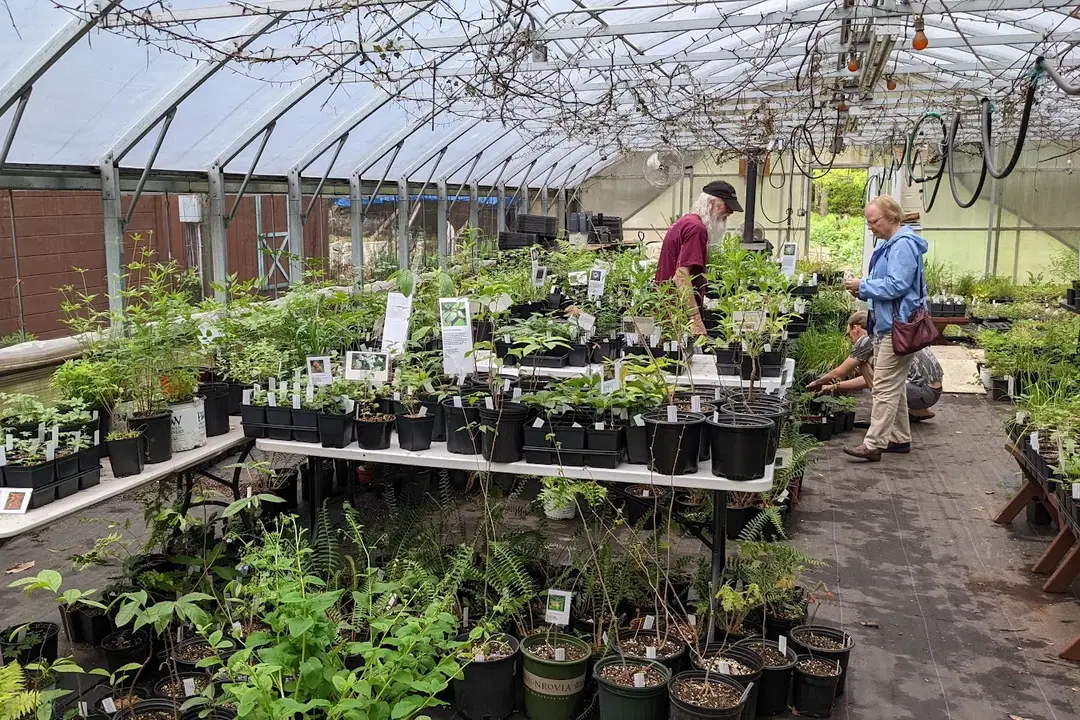 On site
Robesonia, PA
2options
Listed as “Lupinus perennis”
From $7.50
Catalog checked Nov 15, 2026. Confirm availability before visiting.
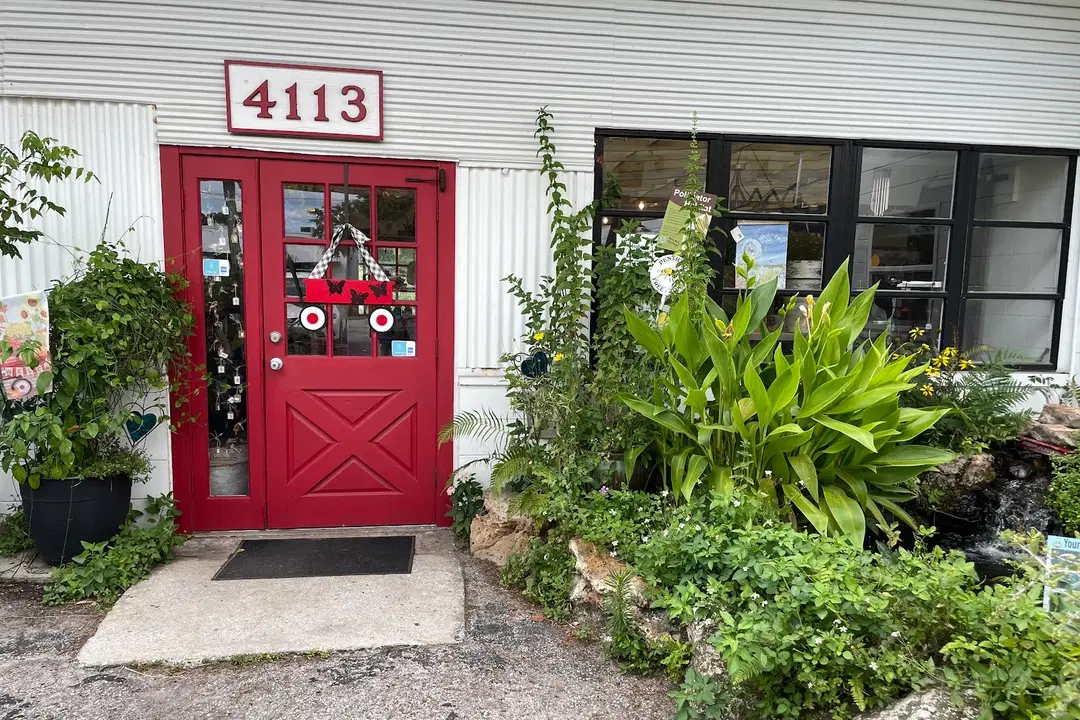 On site
Tampa, FL
1option
Listed as “Wild Lupine - lupinus perrenis ( )”
$16.00
Catalog checked Nov 15, 2026. Confirm availability before visiting.
 On site
Encinitas, CA
2options
Listed as “Lupinus arboreus Coastal Bush Lupine 'Blue'”
Call for pricing
Catalog checked Nov 15, 2026. Confirm availability before visiting.
 On site
Los Angeles, CA
2options
Listed as “Lupinus arboreus, Blue Flowered Form”
Call for pricing
Catalog checked Nov 15, 2026. Confirm availability before visiting.
Showing 1 to 8 of 9 nurseries
Load more nurseriesExplore the complete plant collection, including varieties with no nursery listings yet.
Lupinus, commonly known as Lupine, is a genus of flowering plants in the legume family, Fabaceae. This diverse genus comprises over 200 species, with significant centers of diversity in North and South America, and smaller populations in North Africa and the Mediterranean. Lupines are widely cultivated for both their ornamental value in gardens and as a food source. While some species are celebrated for their beauty, others have become invasive in certain regions, such as in Iceland.
Lupines are predominantly herbaceous perennial plants that typically grow to a height of 1 to 5 feet. However, the genus also includes annual plants and a few shrubs, with the remarkable exception of Lupinus jaimehintonianus, a tree native to Oaxaca, Mexico, that can reach up to 26 feet in height. The leaves are a soft green to grey-green, often covered in silvery hairs, and are palmately divided into 5 to 28 leaflets. The flowers, which are the most striking feature of the plant, are produced in dense, erect spikes. Each pea-like flower has an upper standard (or banner), two lateral wings, and two lower petals fused into a keel, and they come in a wide array of colors, including blue, purple, pink, yellow, and white. The fruit is a pod that contains several seeds, which often have a bitter taste due to the presence of alkaloids.
Many species of Lupine are popular ornamental plants in gardens, with numerous hybrids, such as the Russell Hybrids, developed for their spectacular flower spikes. Beyond their ornamental use, lupines have a significant role in agriculture and cuisine. As members of the legume family, they have the ability to fix nitrogen in the soil, which enriches the soil and benefits other plants. The seeds of some species, known as lupin beans, are a traditional food source in some cultures, particularly in the Mediterranean region, after being treated to remove the toxic alkaloids. In some regions, such as Texas, lupines (known as bluebonnets) hold cultural significance and are a celebrated sign of spring.
Lupines thrive in full sun and prefer organically rich, slightly acidic, and well-drained soil. They are best suited for climates with cool summers, such as the Pacific Northwest and New England, and may struggle in the heat and humidity of the southern United States. To ensure the best performance, it is recommended to keep the root zone cool with mulch and to deadhead spent flower spikes to encourage further blooming and maintain plant vigor. While generally hardy, lupines can be susceptible to powdery mildew, aphids, slugs, and snails. Even under ideal conditions, most lupines are short-lived perennials, with a typical lifespan of 2 to 5 years.