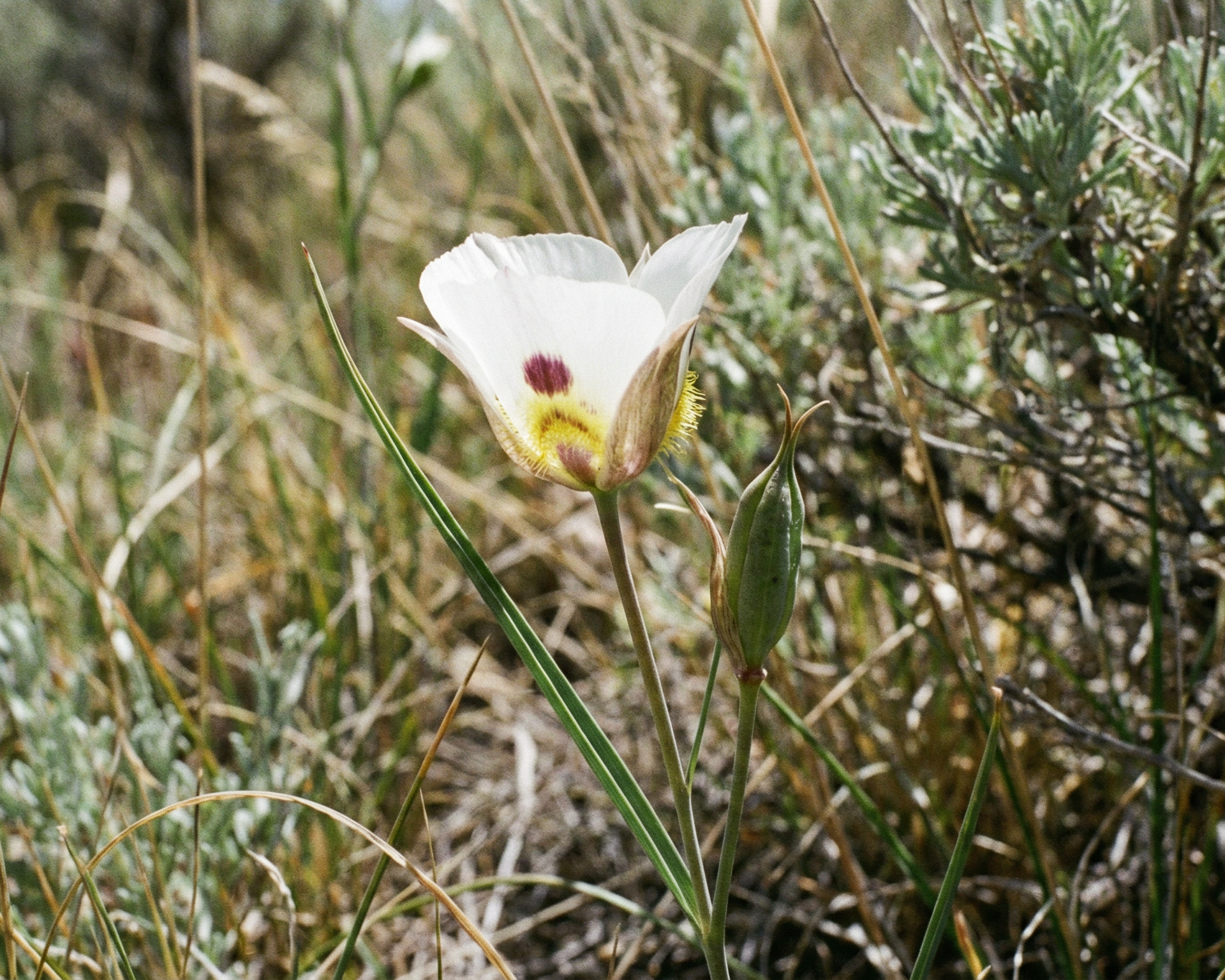
Mariposa lily
Calochortus spp.
4 nurseries nationwide
Compare nurseries
4 nurseries · 11 matching options
4 locations on the map. Select a marker or a nursery to compare.
Preparing the map…
Your location isn’t saved. Confirm availability and visiting hours with the nursery.
About Mariposa lily
The genus Calochortus, commonly known as Mariposa Lily, encompasses a diverse group of approximately 70 species of perennial flowering plants within the lily family (Liliaceae). Native to western North America, from southern British Columbia to northern Guatemala, these plants are celebrated for their exquisite and varied flowers. The name Calochortus is derived from Greek, meaning "beautiful grass," a nod to their slender, grass-like foliage. The common name, Mariposa Lily, is Spanish for "butterfly lily," aptly describing the flowers' often intricate patterns and delicate, wing-like petals. The genus is further divided into several informal groups based on flower morphology, including the star tulips, cat's ears, globe tulips, and fairy lanterns. Mariposa lilies are characterized by their unique floral structure. Each flower possesses three narrow, sepal-like outer tepals and three larger, petal-like inner tepals that are often adorned with intricate markings, vibrant colors, and a conspicuous, frequently hairy, nectary gland at the base. The flowers, which can be upright or nodding, come in a wide array of colors, including white, yellow, pink, purple, and red, and can be solitary or borne in clusters on slender stems. The plants grow from a tunicated bulb, which allows them to survive the dry summer dormancy characteristic of their native habitats. Their leaves are typically basal and grass-like, withering as the plant comes into flower. Several species of Calochortus hold cultural and practical significance. The bulbs of the Sego Lily (Calochortus nuttallii), the state flower of Utah, were a vital food source for Native American tribes and early Mormon settlers. The bulbs are typically eaten raw, boiled, or roasted and have a nut-like flavor. Beyond their culinary uses, Mariposa Lilies are highly prized as ornamental plants, particularly in rock gardens and native plant landscapes that mimic their natural, dry-summer conditions. Their striking beauty and diversity make them a favorite among botanists and wildflower enthusiasts. Cultivating Mariposa Lilies can be a rewarding challenge. They require a period of winter chill and a dry summer dormancy to thrive, making them best suited for Mediterranean climates. They demand excellent drainage and are intolerant of summer water, which can cause the bulbs to rot. Propagation is typically from seed, which often requires a period of cold stratification, or by the division of established bulbs. While some species are relatively easy to grow, many are quite specific in their requirements, making them a plant for the dedicated gardener. Despite the challenges, the reward of seeing these stunningly beautiful and diverse flowers bloom is well worth the effort.
Plant facts
- Sun
- Full Sun
- Water
- Regular, Drought Tolerant
- USDA zones
- 5-9
- Lifecycle
- Perennial