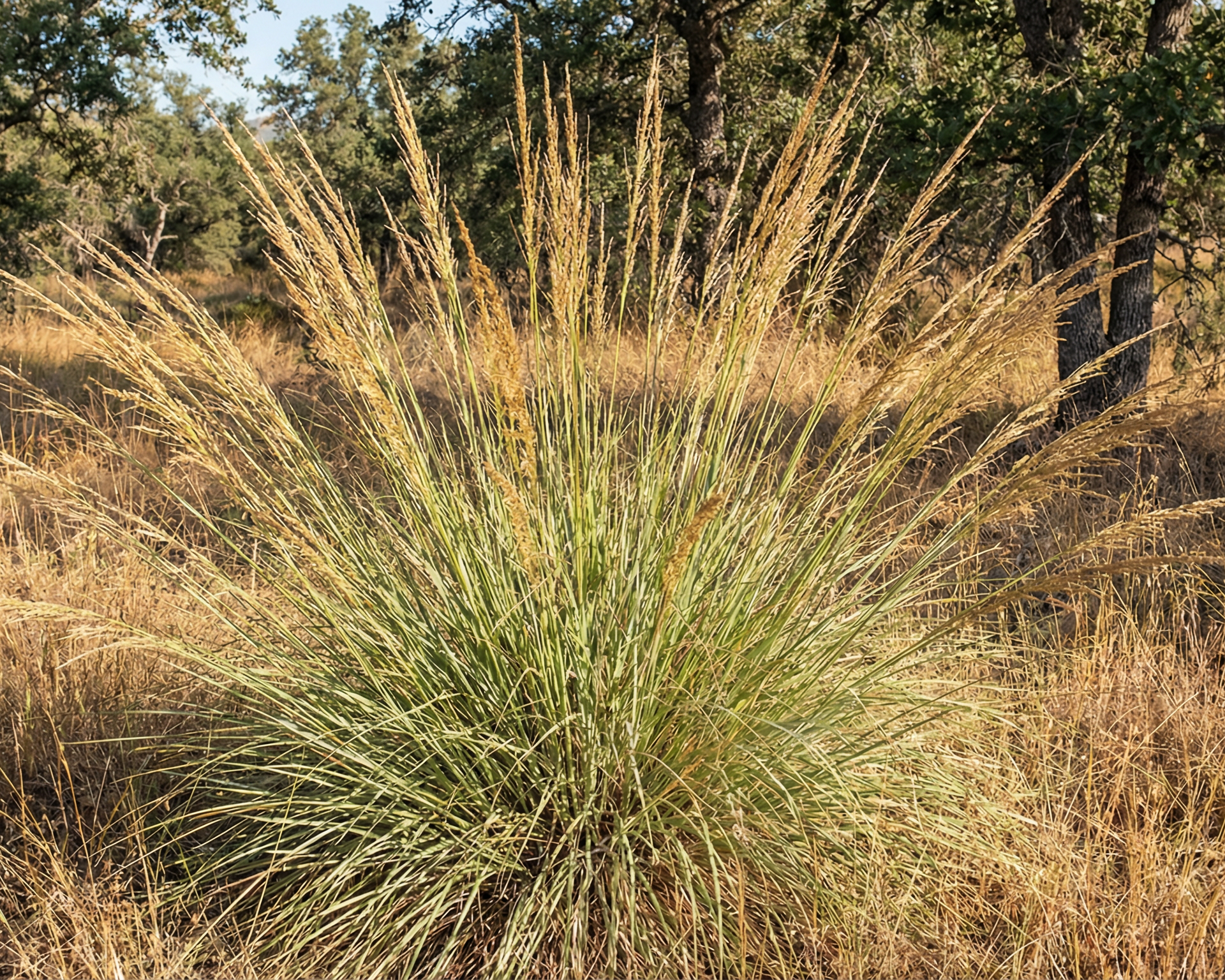
Muhly Grass
9 nurseries listed
Compare nurseries
9 nurseries · 29 matching options
9 locations on the map. Select a marker or a nursery to compare.
Preparing the map…
Your location isn’t saved. Confirm availability and visiting hours with the nursery.
About Muhly Grass
Muhly Grass, from the genus Muhlenbergia, is a group of striking perennial grasses celebrated for their delicate, airy texture and stunning floral displays. Named in honor of the pioneering German-American botanist Gotthilf Heinrich Ernst Muhlenberg, the genus includes over 150 species. While native species can be found across the Americas and Asia, they are most diverse in the southwestern United States and Mexico. Many species in this genus are simply referred to as "muhlies," and they have become increasingly popular in horticulture for their beauty and resilience, with species like Pink Muhly (Muhlenbergia capillaris) and Deergrass (Muhlenbergia rigens) being standout favorites in modern landscaping. Muhly grasses are typically characterized by their clump-forming habit, growing in neat mounds of fine, often wiry foliage that can range in color from a vibrant green to a blue-green or even coppery-brown. Their most breathtaking feature, however, is their inflorescence, which emerges in late summer or fall. These large, feathery panicles of tiny flowers create a cloud-like effect, appearing as a soft, colorful haze above the foliage. The colors can range from a spectacular vibrant pink or purple in the case of Pink Muhly, to more subtle shades of white, tan, or copper, adding remarkable texture and movement to the garden as they sway in the breeze. The significance of Muhly Grass extends beyond its ornamental appeal. Ecologically, these native grasses provide food and habitat for wildlife, including birds that feed on their seeds and insects that use them for shelter. Their dense, fibrous root systems are excellent for erosion control on slopes and in dry, sandy soils. Certain species have cultural significance as well; for instance, Sweetgrass (Muhlenbergia sericea) has been traditionally used by the Gullah Geechee people of the southeastern United States for crafting intricate coiled baskets, a practice that represents a vital part of their cultural heritage. In modern permaculture and sustainable landscaping, their drought tolerance and low-maintenance requirements make them an exemplary choice for creating water-wise gardens. Cultivation of Muhly Grass is relatively straightforward, as they are adaptable and hardy plants. They thrive in full sun and require well-drained soil to prevent root rot, particularly during wet winters. Once established, they are exceptionally drought-tolerant and require minimal supplemental watering. Care is minimal, generally involving a single cut-back in late winter or early spring to remove old foliage and make way for new growth. While generally pest and disease-resistant, some species like M. capillaris can be susceptible to fungal issues like rust or tar spot in regions with high humidity and poor air circulation, a problem that can be mitigated by ensuring proper spacing to allow for airflow.