Advanced Nursery Growers
Defuniak Springs, FL
1 option
From $18.00
Catalog checked Oct 1, 2026. Confirm availability before visiting.
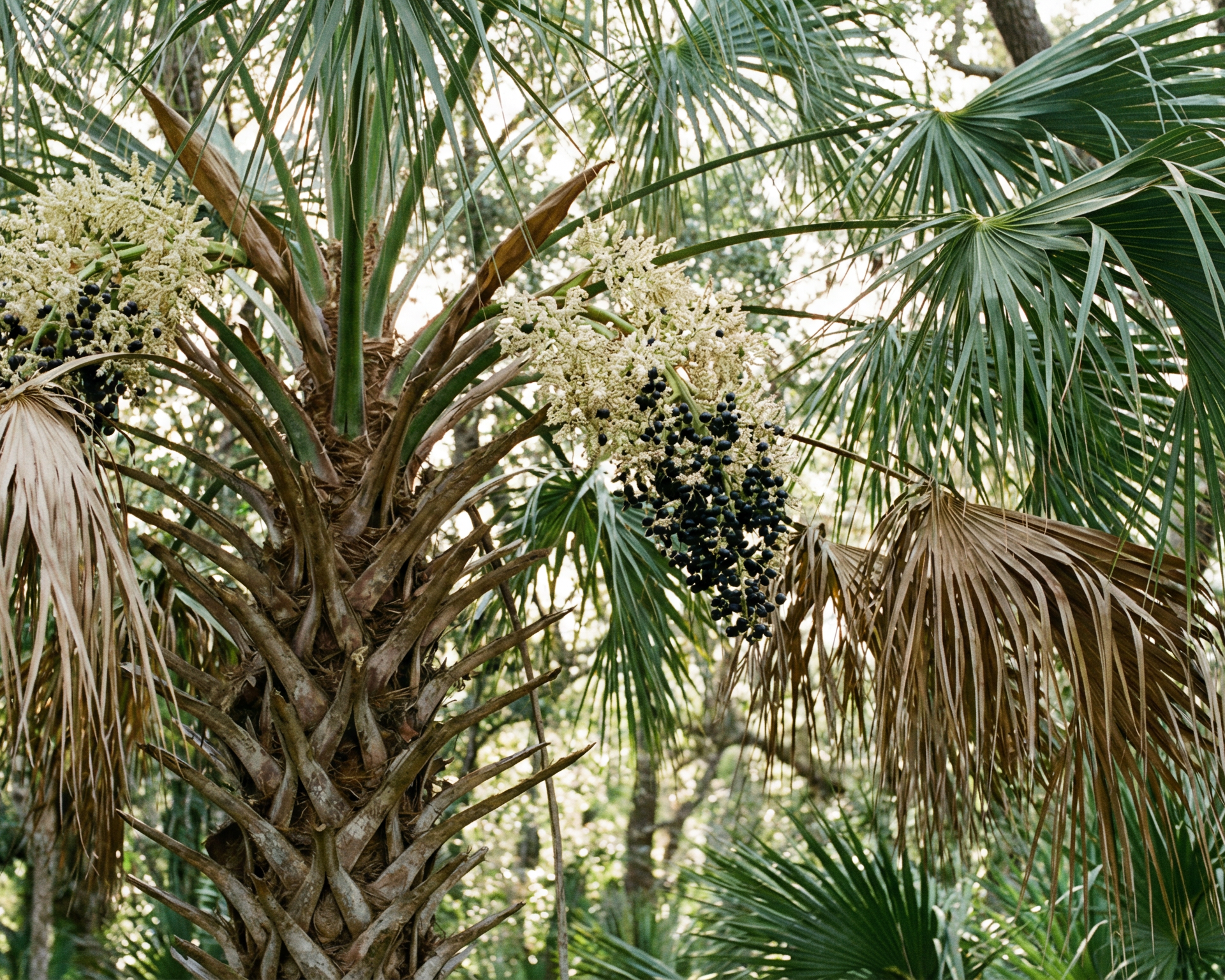
Sabal palmetto
5 nurseries listed
5 nurseries · 11 matching options
Defuniak Springs, FL
1 option
From $18.00
Catalog checked Oct 1, 2026. Confirm availability before visiting.
Jasper, FL
1 option
Call for pricing
Catalog checked Oct 1, 2026. Confirm availability before visiting.
Tampa, FL
2 options
From $40.00
Catalog checked Oct 1, 2026. Confirm availability before visiting.
Largo, FL
6 options
From $14.99
Catalog checked Oct 1, 2026. Confirm availability before visiting.
Aiken, SC
1 option
Call for pricing
Catalog checked Oct 1, 2026. Confirm availability before visiting.
Showing 1–5 of 5 nurseries
The genus Sabal, commonly known as Palmetto, is a group of fan palms native to the New World. These palms are found across the Southeastern United States, the Caribbean, Mexico, and parts of Central and South America. The genus comprises approximately 17 species, which are characterized by their distinctive costapalmate leaves, where the leaf stem (petiole) extends into the leaf blade, creating a prominent midrib. This feature gives the leaves a folded, fan-like appearance. Palmettos exhibit a wide range of growth habits, from shrub-like species with subterranean trunks to tall, tree-like palms. Palmettos are recognized by their smooth, unarmed petioles, which lack the spines or thorns found on other palms. The leaves are large and fan-shaped, and in many species, the leaf segments are joined by thin fibers. The fruit of the Palmetto is a small, fleshy drupe that typically turns from green to black as it ripens. These fruits are an important food source for a variety of wildlife, including birds, bears, and raccoons. The plants themselves are highly adaptable and can be found in diverse habitats, from coastal dunes and wetlands to pine flatwoods and hardwood forests. The Palmetto has a long history of human use. The central bud of the Cabbage Palmetto (Sabal palmetto), also known as the terminal bud, is edible and has been consumed as "swamp cabbage." However, the harvesting of the bud is a destructive practice as it kills the tree. The leaves, or fronds, have traditionally been used for thatching roofs, weaving baskets and mats, and making hats. Today, many species of Palmetto are widely cultivated as ornamental plants in landscaping due to their tropical appearance and relative cold hardiness compared to other palms. They are a common sight in parks, gardens, and along streets in warmer regions of the world.